

Tea trends I wish drinkers would follow
Hidden depth in forest-grown Ceylon + a checklist for Cool Tea People.

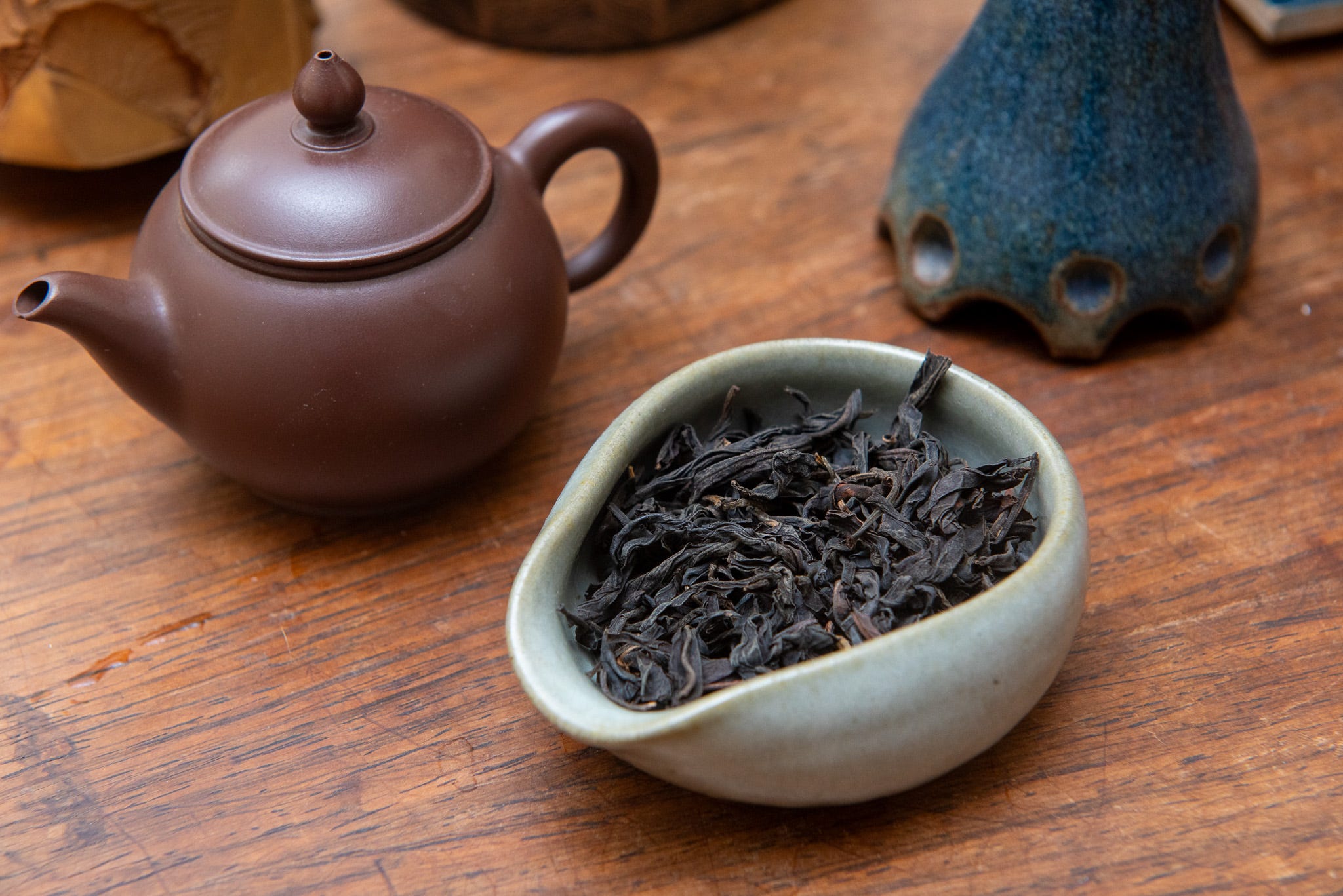
A feral tea forest in Sri Lanka
The tea: Warnagala Wild black tea, sold by Rakkasan Tea Company. $24.49 for 2oz.
Tea trees are batteries, and the longer you leave them alone, the greater the charge they accumulate. This is what makes tea from old growth environments special: the plants aren’t stressed from constant picking and pruning, so they’re able to devote their energy to larger root systems, bigger branches, and richer-tasting tea. There’s an unmistakable depth to old growth tea that may not be obvious if you’re new to the drink, but once you get a taste for it, you start looking for bigger batteries that can deliver the juice.
Here’s an old growth tea from an unlikely region. British colonization brought tea to Sri Lanka around 160 years ago, and almost all the tea grown there is regularly pruned into neat plantation bushes. But what happens when a newly established tea garden gets abandoned? In the case of Forest Hill in southern Sri Lanka, the tea bushes became feral, growing into the 40- to 50-foot trees that Camellia sinensis prefers if left to its own devices. After 130 years of slow, wild growth without human disturbance, the result is a tea with power and presence that’s rarely felt in Ceylon brews.
The source: What is now known as the Forest Hill Tea Company began as a tea garden established by Scottish planters in 1880 and abandoned just 10 years later. In 2018, an entrepreneurial farmer named Buddhika Dissanayake bought the property to make tea from the feral trees. Pluckers climb high into the canopy to reach the new growth, which relies on natural forest ecology instead of added pesticides and fertilizers. This batch of wild black tea came to me through Rakkasan, a company that sources tea from regions with histories of armed conflict. Try this spicy Ceylon from them as well as an invigorating Vietnamese jasmine.
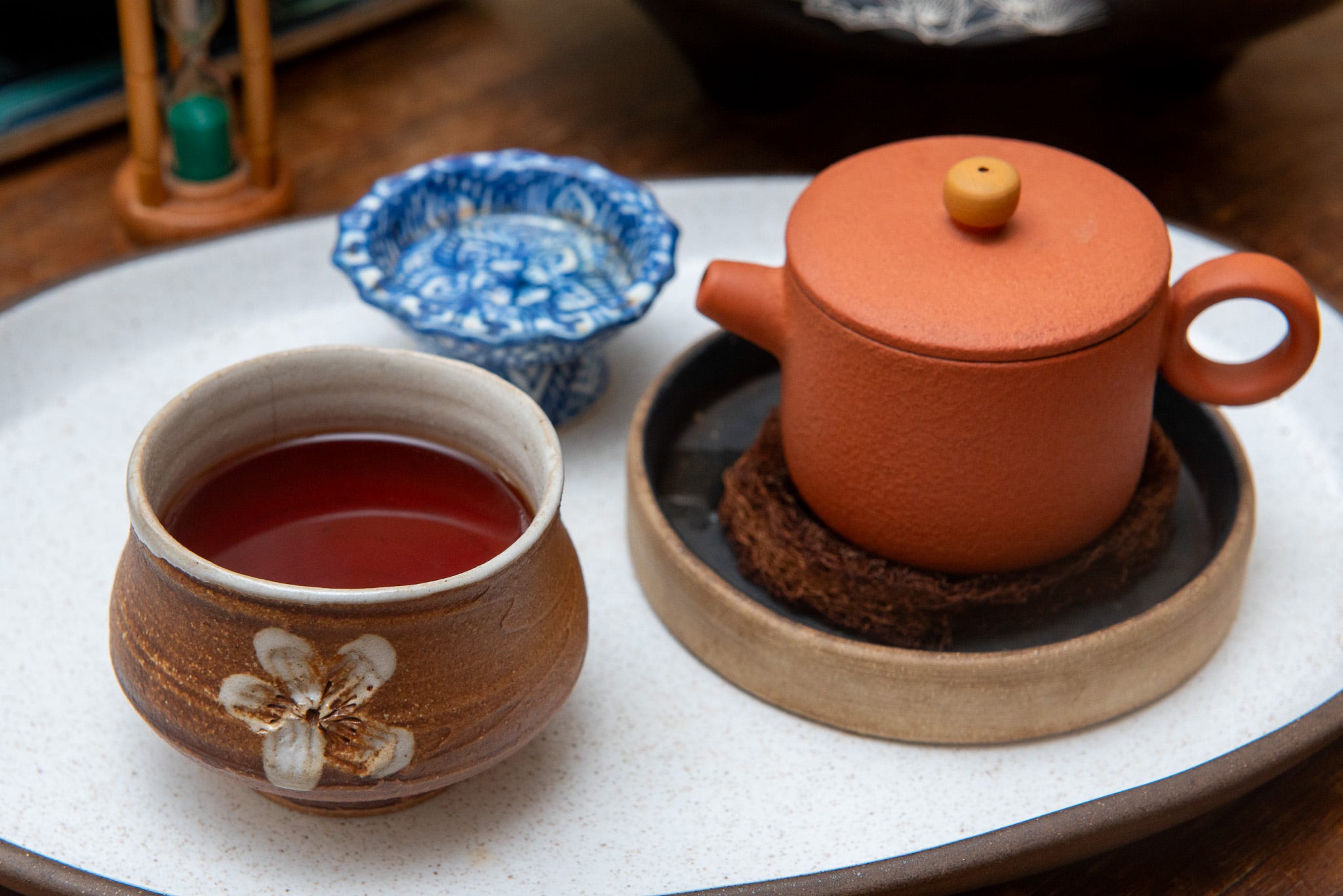
To brew: Where most Sri Lankan teas get bitter and astringent if overbrewed, these large and rustic leaves thrive with long steeps. Put a fat pinch in a large pot or thermos and steep with boiling water for as long as you like. However I get the most out of the tea when using 5 grams in a 100 milliliter pot (1g/20ml) steeped for 90 seconds for the first few brews, then lengthening as needed. This method emphasizes the tea’s woody notes, black cherry sweetness, and clean, refreshing mouthfeel. I like it more with each subsequent steep; the tea gets sweeter as it goes, eventually revealing its version of the classic sunny Ceylon black tea character that’s bulked up with a surprising huigan (returning sweetness in the throat). Brewed this way, the tea lasts six or seven infusions. A full, rewarding charge from this battery.
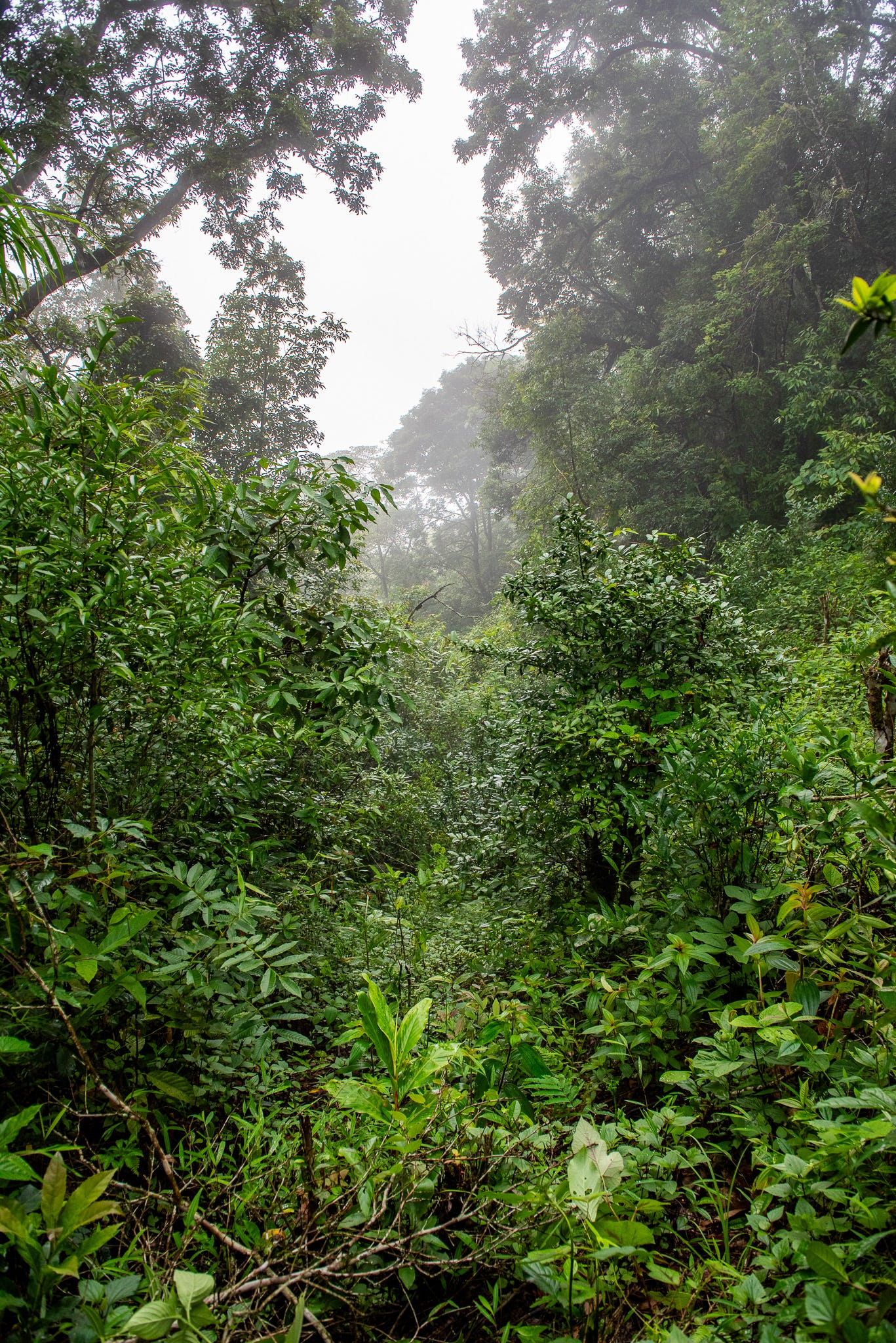
A tea trend wishlist
After I wrote about trendy tea novelties I like and don’t like, several Leafhopper readers reached out with requests for more trend reporting. I’m working on a few trend stories for you, but as a writer with a “platform”—that’s what the Substack staff tell us to call our newsletters—I want to put my thumb on the scale and suggest some trends of my own. These recommendations are aimed at making American tea culture more delicious, accessible, interesting, and in line with the actual needs of the people overseas that grow and produce the teas we drink. I’d love to hear what trends you wish would take off as well, so do please sound off in the comments.

Tea agroforestry
My recent trip to India hit home for me that for many communities with long tea histories, forest-grown tea offers a more sustainable future than typical farming methods. Conventional plantation farming often begins by clearing forest land to replace it with monocrops of clonal tea plants with shallow root systems. Biodiversity suffers, water runoff increases, and the plants usually require added pesticides and fertilizers to stay healthy and productive. Tea is a value-added crop that can offer greater income to farmers than cash crops like corn, but it also takes most farmers a while to get good at processing it well. In the meantime they’re stuck producing a lot of not very good or distinctive tea that easily gets lost in the market.

Compare this with the agroforestry model, where tea trees grow with minimal intervention amid other plants in a natural setting. Leaf litter feeds the soil while local animals control pest activity. Crucial forest land gets preserved and farmers find economic incentives to keep their forests in good condition. Although forest teas yield less leaf than monocropped farming, the material is often much higher quality, which in a way makes it less risky to process, since the end result is less reliant on skillful handling to make something tasty and distinctive. The forest does most of the work.
This model doesn’t work everywhere, but I hear too many stories of farmers cutting down irreplaceable forests to plant crops for necessary income, and with the right conditions, forest-grown tea offers a compelling alternative. Those conditions include buyers willing to pay the higher prices for better quality tea, and that’s where American drinkers come in. If we can rally around natural wine and regeneratively raised beef, why not forest-grown tea?
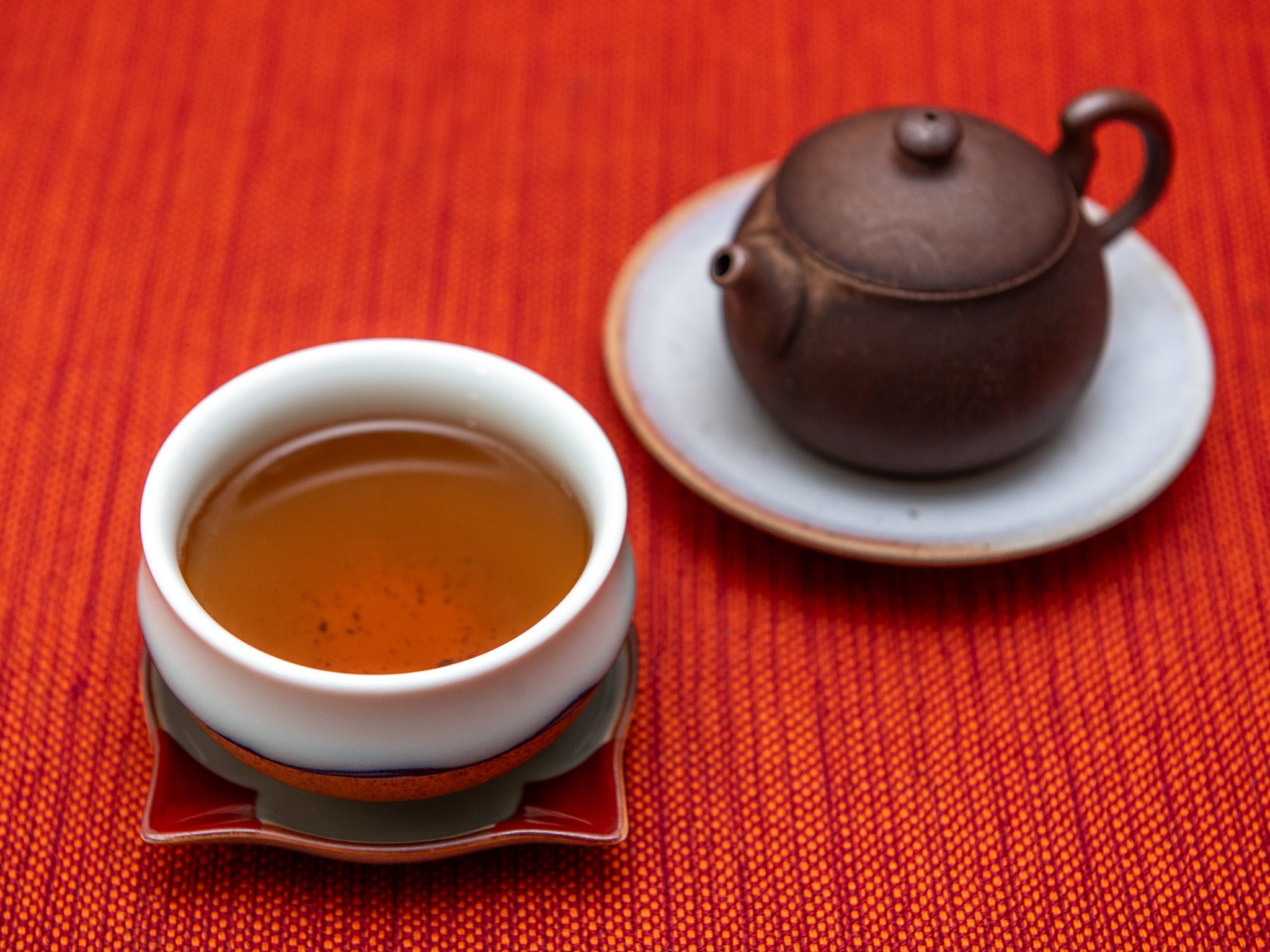
Weird pairings
Enough with the wine or chocolate pairings. Pairing tea should feel fun, not stodgy, and organizers of pairing events should endeavor to meet potential drinkers where they are rather than rely on their interest in another precious food or drink category. I want to see teas paired with albums at listening parties and artworks at galleries, the way Jeni Dodd has done with the work of Shiva Ahmadi. This is one of the reasons I love serving tea ice cream—it’s a different point of entry for someone new to tea in a format they’re likely to love. I think a tea and cannabis pairing session would be great groundwork for exploring the somatic effects of certain brews. Ditto for psychedelics.
