

Forest tea vs farm tea
The costs and benefits of working with the woods.

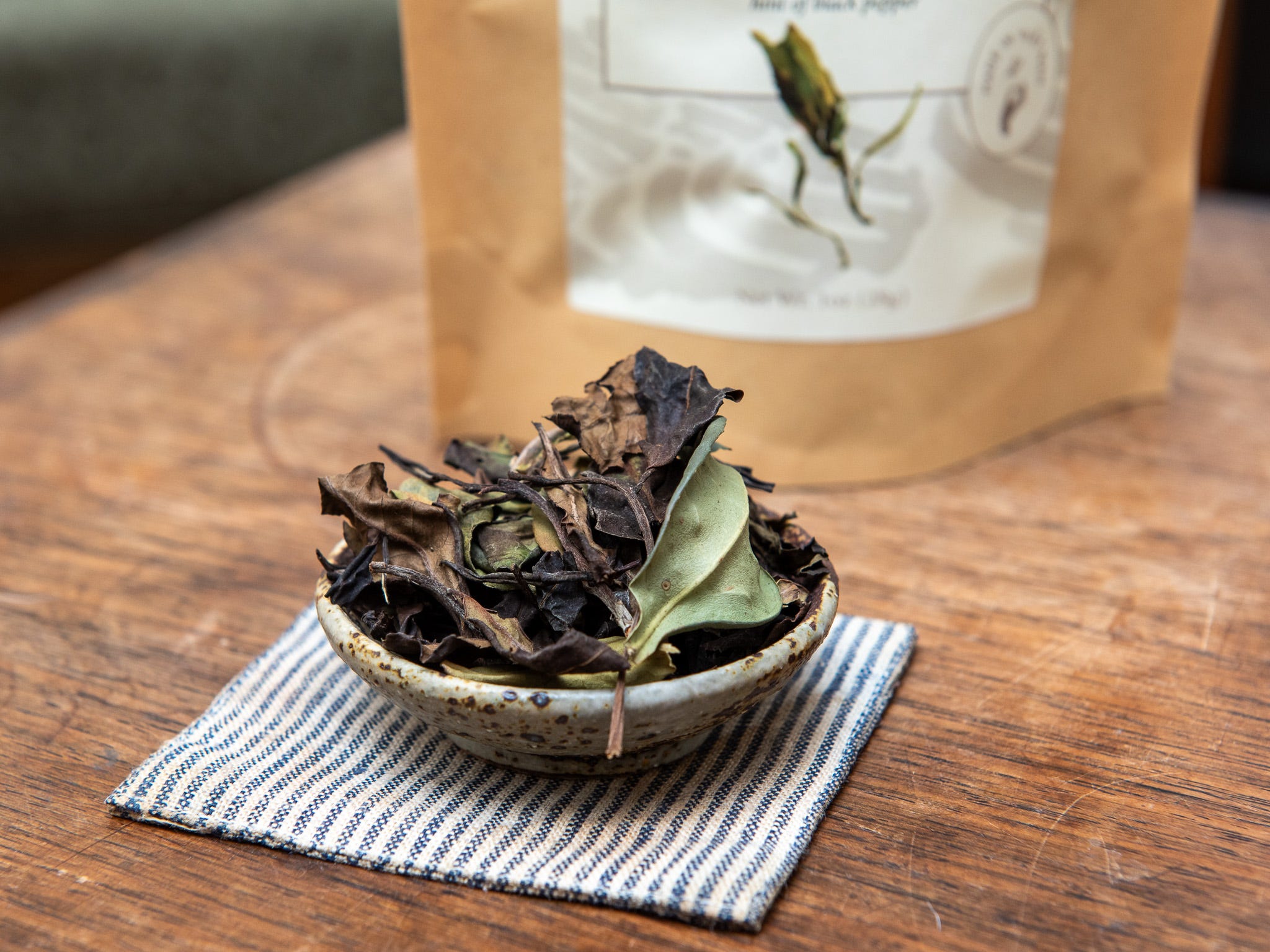
Deep forest flavor
The tea: Spring Forest White, sold by Anna Ye Tea. $28 for 1oz.
Good forest teas are a treat all their own, like wild mushrooms or a river trout you catch yourself. In my experience they have a know-it-when-you-taste-it character with deep flavors, a long finish, and a haunting woodsy quality that’s difficult to replicate with agricultural methods. These teas are picked from taller trees than the pruned bushes used on farms. The trees grow in a forest setting amid local plants, animals, and fungi. They usually lack pesticides and fertilizers, and if they’re trimmed at all, it’s only lightly. Harvesting forest tea has more in common with foraging than farming. Hot spots are secretively guarded and pluckers may have to climb 10 or 20 feet into the air to reach tender new buds.
This Vietnamese white tea from Anna Ye Tea drinks like a walk through the woods. The brew is smooth and silky, and it retains that rich texture through a dozen infusions. Its lotus root sweetness hangs deep in my throat between cups. At nearly $1 per gram it’s not cheap tea, but considering the scarcity of material and labor involved in producing it, it shouldn’t be.

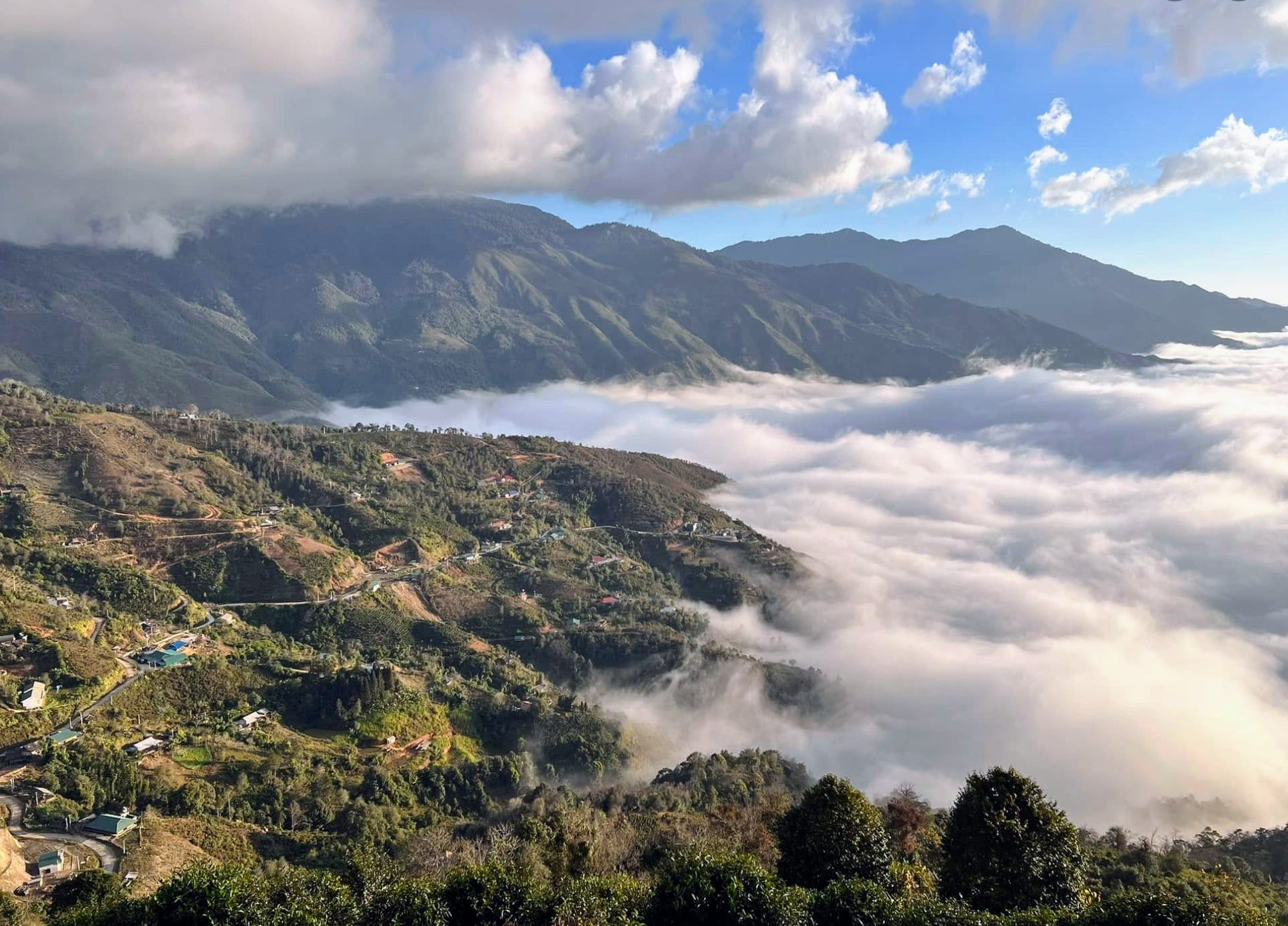
The source: Anna Ye (learn more about her Vietnamese tea business) gets this tea from a contact in Hanoi that works with villagers in Phong Thổ, a rural district in the northwest part of the northwestern Lai Châu province, near the Chinese border. Her contact is protective about details that could give away her golden goose. Come spring, villagers trek for hours into a densely forested area far from trails or roads. They often camp out in the forest overnight before returning with their scant harvest, which gets naturally withered and sun dried to make a fluffy white tea. This processing is relatively new in the area. Ye says that village old timers remember simply picking and boiling fresh leaves to drink. Her Hanoi contact advises the makers on processing practices from elsewhere in Asia that are adjusted to fit the local material.
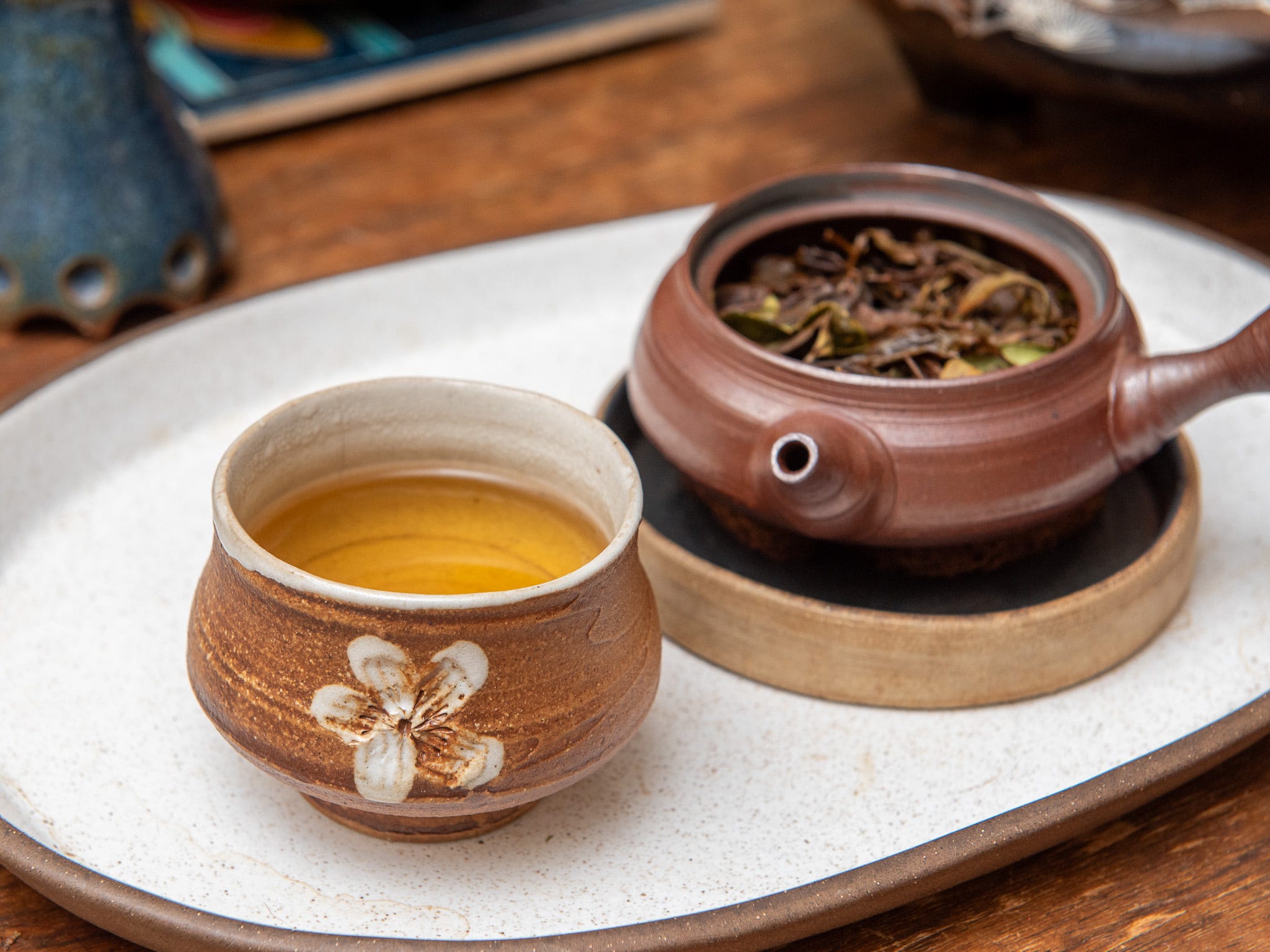
To brew: You don’t need much of this tea to make an impactful brew. I like 5 grams in a 100 milliliter pot (1g/20ml), brewed with boiling water for 20 to 30 seconds for the first several steeps, lengthening as I go. Since the leaves are so large you may want to weigh this one to get an accurate dose; my pot was practically overflowing with dry leaves before I started brewing. I think Ye’s tasting notes are spot on. There’s a dried peach flavor and slight burdock earthiness. The brew has a nice creamy aroma that darkens with subsequent cups. I found this tea smooth and relaxing after a dizzying jaunt around a hardware store. It asked for my full attention. I was grateful to give it.
Which way, rural tea maker?
I often talk about tea on Leafhopper as a value added crop: an agricultural product that can be processed from its raw form at origin and sold at a premium. The Coffee and Tea Trade Journal’s 2025 report goes so far as to call it a “poverty relief crop” that’s “instrumental for keeping populations on the land…in mountainous and remote rural areas.” In most cases, the decision to make tea means clearing land or converting preexisting fields to start a farm. But if you live in a densely forested area where tea can grow naturally, like the producers of this week’s Spring Forest White, you might have choices. You could start a tea farm and process your own leaf or sell it to a local factory. Or you can pick a smaller amount of higher value tea that grows on its own in the forest.
Each choice has its pluses and minuses. For today’s deep dive, let’s put ourselves in the mindset of those tea makers to see why they might go for one option over another. There’s a lot to consider, from upfront costs and land use restrictions to a producer’s economic goals and conservation concerns.
