

What I look for (and don’t) when buying tea
A nostalgic jasmine + the shopping information that matters.

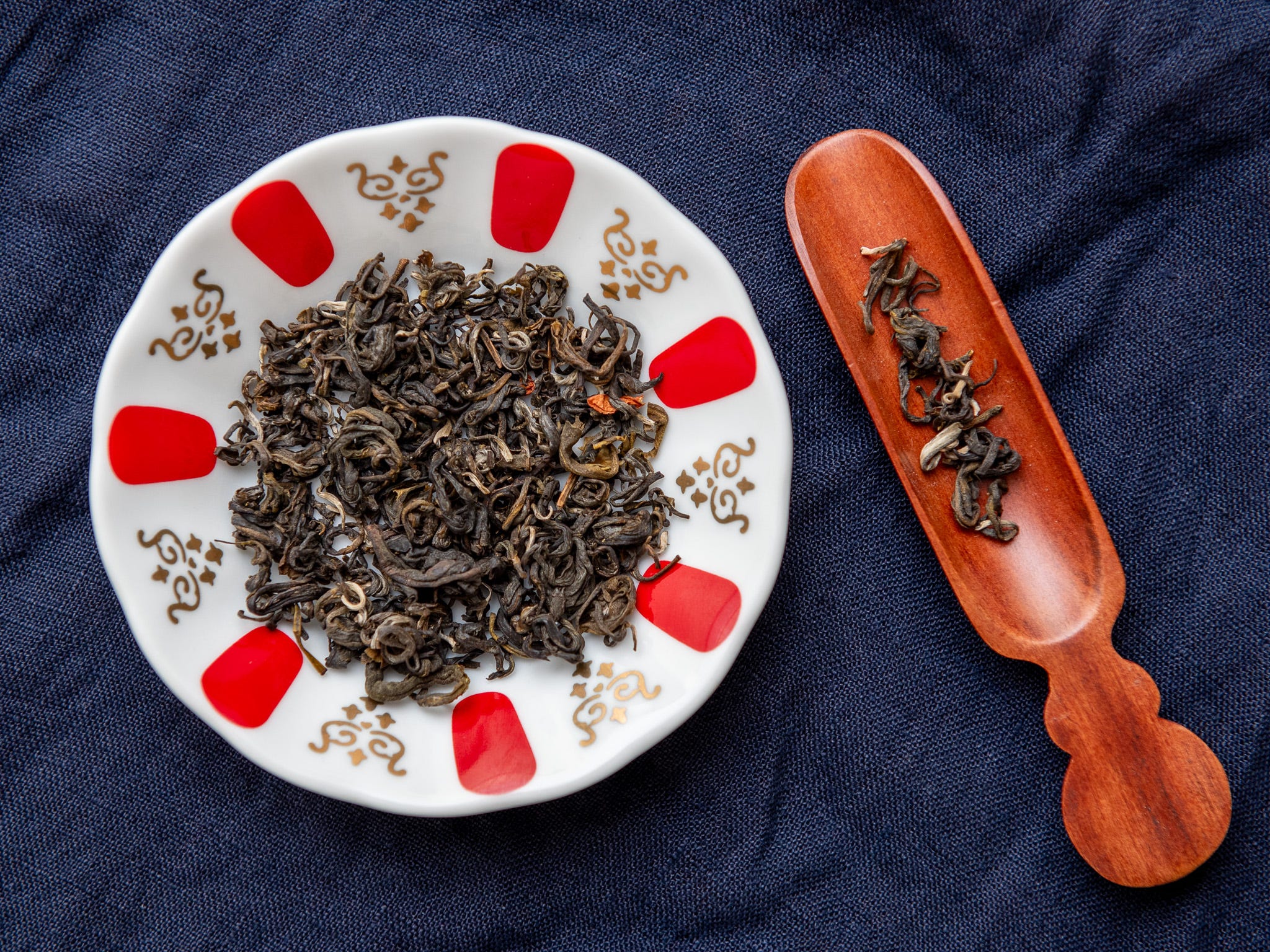
A jasmine tea for dim sum
The tea: Hà Giang jasmine green tea, sold by Rakkasan. $16.49 for 2oz.
This isn’t a light and delicate jasmine-scented green tea. There’s a robust astringency to the coppery brew and some bitterness amid the floral tones. But it’s sweet and slightly brothy on the tongue, and after I swallow, that bitterness turns into refreshing notes of pine and minerals with a cooling sensation in the back of my mouth. If you like strong green teas scented with jasmine flowers, try this reasonably priced batch.

You’ll often find jasmine greens like this one served at old Cantonese restaurants. The flavor is nostalgic for me, sending me back to the dim sum tables of my childhood with sweet shrimp dumplings dipped in pools of chile paste or sinus-clearing mustard. Those dim sum teas were commodity greens tossed with jasmine flavoring. This production from Vietnam is a welcome upgrade, featuring superior leaves with greater character layered with genuine jasmine blossoms for three nights. It doesn’t roughen up my stomach or leave a chemical aftertaste in my mouth the way those Chinatown pots used to. Bring some to your own dim sum meal or try it with a bowl of dan dan noodles.

The source: Rakkasan sources tea from regions impacted by war such as Vietnam, Laos, and Sri Lanka (see previous coverage here). They say this batch from Hà Giang—the country’s northernmost province—comes from wild tea trees in the mountains that can grow 10 to 20 feet tall, requiring agile footwork from Dao families that pluck the leaves and make tea in small batches. “Wild tea” can mean a lot of things, but there are good old growth tea gardens with leaf sold for a fraction of what you’ll pay just across the Chinese border in Yunnan. Processing technique in the area can be a bit hit-or-miss. Still, the base material quality can be quite good, and there’s strong potential in this underappreciated area.
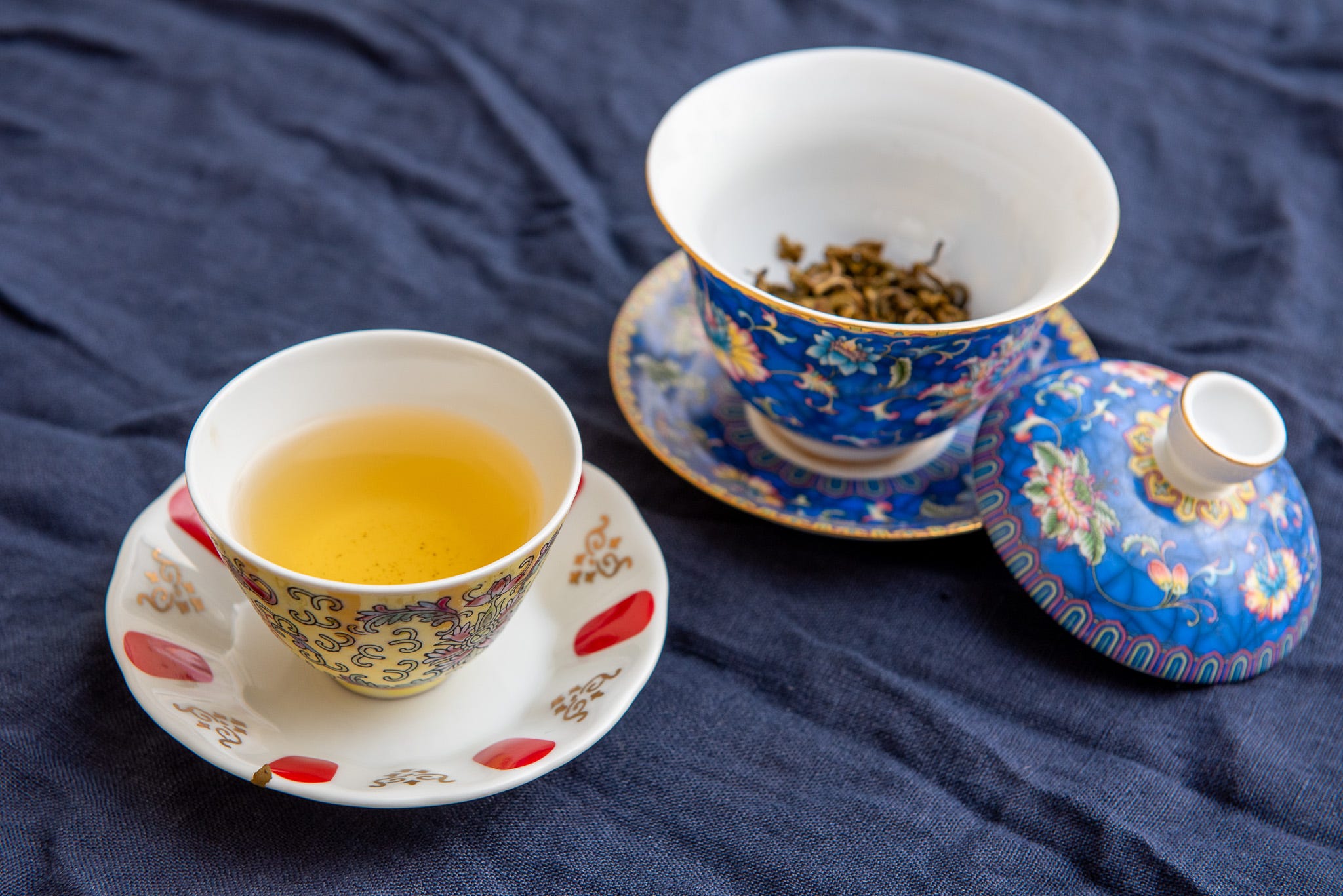
To brew: This is a flexible tea you can brew in a lot of ways. I like it most in relatively high concentrations: 1 gram per 20 milliliters in a small pot or gaiwan, brewed with ~190°F water for 20 to 30 seconds after a quick rinse. You can get three or four brews this way that emphasize the tea’s viscous texture and sweetness. A lighter dosage in a larger pot brings out similar jasmine flavor with a thinner mouthfeel. You can also add a 6 grams or so to a liter of cold water to make a refreshing cold brew. The jasmine character is present but not overpowering. As for the tea itself, there’s a mix of young buds and older leaves with some breakage and char, which accounts for the astringent touches and the brew’s dark color. The material is rustic, but the sweet mineral aftertaste speaks for itself. I could drink a lot of this.
Reading a tea seller’s leaves
The content that a vendor includes or omits when talking about a tea is instructive, and I don’t mean the information itself. How they talk about those details is just as revealing. This has been top of mind at my day job as we’re working on context to make our puer more appealing to collectors and keywords to help new matcha drinkers navigate our growing selection.
Some sellers opt for minimal information, like White2tea, whose product descriptions tell you almost nothing about the tea’s source and provide few tasting notes. As proprietor Paul Murray sees it, romance copy about a tea can mislead just as easily as it educates, so he lets the leaf speak for itself. I prefer more transparency when shopping, but I’m sympathetic to Paul’s approach. Plenty of “context” is featureless noise, and there are few regulations preventing a seller from making exaggerated claims or spreading misinformation, either intentionally or by repeating what they were told by their suppliers. This is why I shop for sellers instead of individual teas. I’d rather get a taste for a seller’s palate, curation, and values.

And yet: good tea costs good money and a smart buyer looks for context to guide their purchases. Here are the details I seek out (and ignore) when deciding on a new tea to bring home.
