

How long can a tea last in the pot?
Charcoal roasted white tea from Yunnan + the virtue of late steeps.

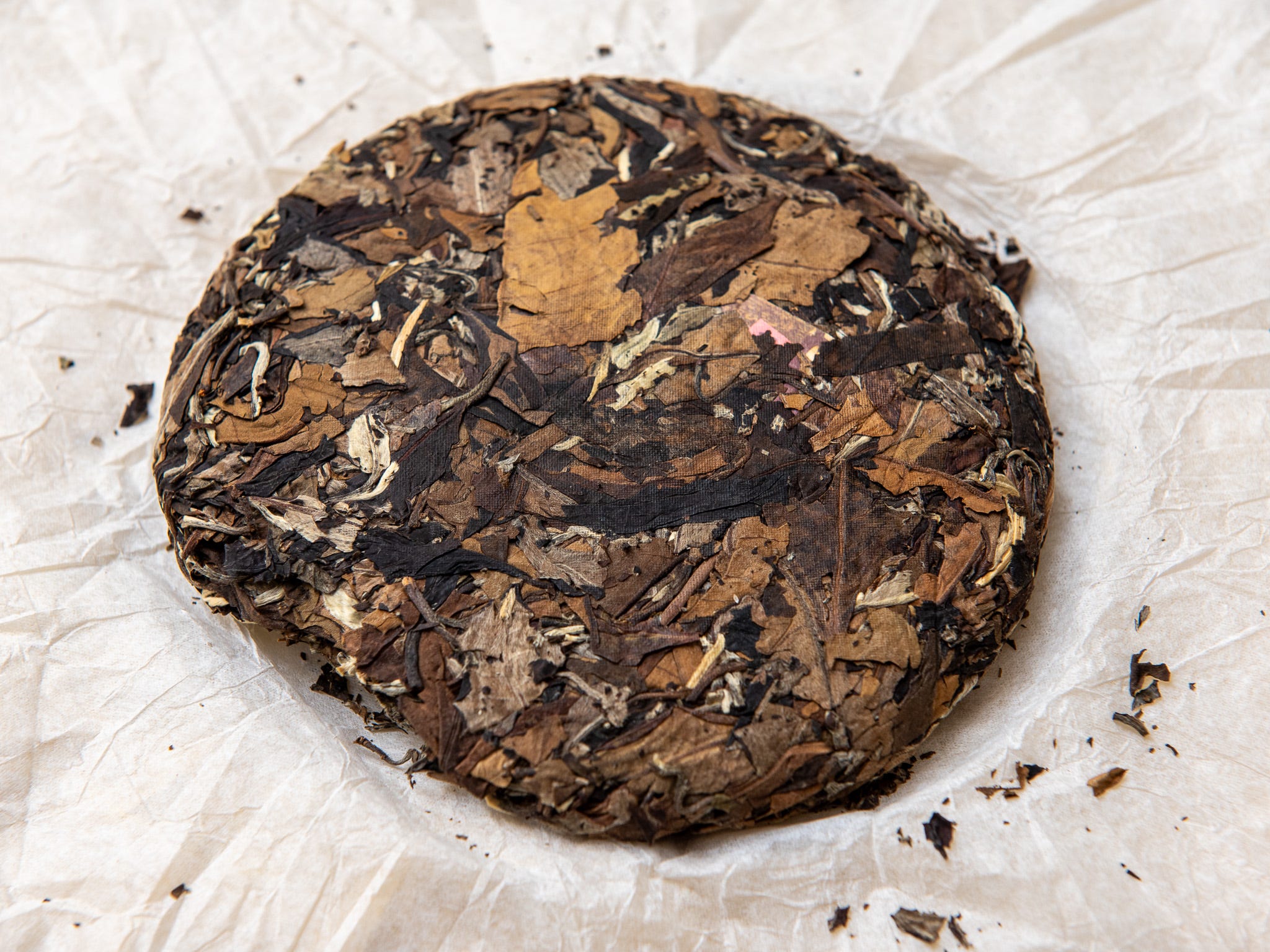
Terry’s chocolate white tea
The tea: 2026 Terry roasted white tea, sold by White2tea. $97 for 200g.
Tea madman Paul Murray has expanded his line of smoked and roasted puer to a range of black and white teas, and they’re a treat. The cake that he calls Terry is a white tea from Yunnan that’s been charcoal roasted in Fujian, using techniques typically reserved for cliff tea oolongs. The result is surprisingly charming with unexpected depth and vivid flavors of chocolate and vanilla.
White teas from China are often subjected to a finishing roast for the same reason oolongs historically were. The higher heat reduces the leaves’ water content for a longer lasting and more stable tea. Advancements in packaging and shipping have reduced the need for a prolonged roast—plastic foil bags maintain freshness better than wooden crates or paper pouches—but roasting remains a way to highlight a tea’s inherent flavors while contributing greater depth. This sun-dried white tea wouldn’t normally be roasted, though. Instead the idea, in Murray’s view, is to combine the best of Yunnan’s natural leaf material with the art of Fujianese roasting.

The source: White2tea labels Terry as an old arbor tea, meaning the leaves are picked from mature trees that grow in a more natural setting than rows of plantation fields. Unlike last week’s Vietnamese Spring Forest White, these trees probably don’t live a day’s hike into a forest. But they still benefit from slower growth and fewer apical buds that make for a rich and concentrated brew. Old tree teas often last longer in the pot than teas from young bushes, and this tea delivers dividends for steep after steep.
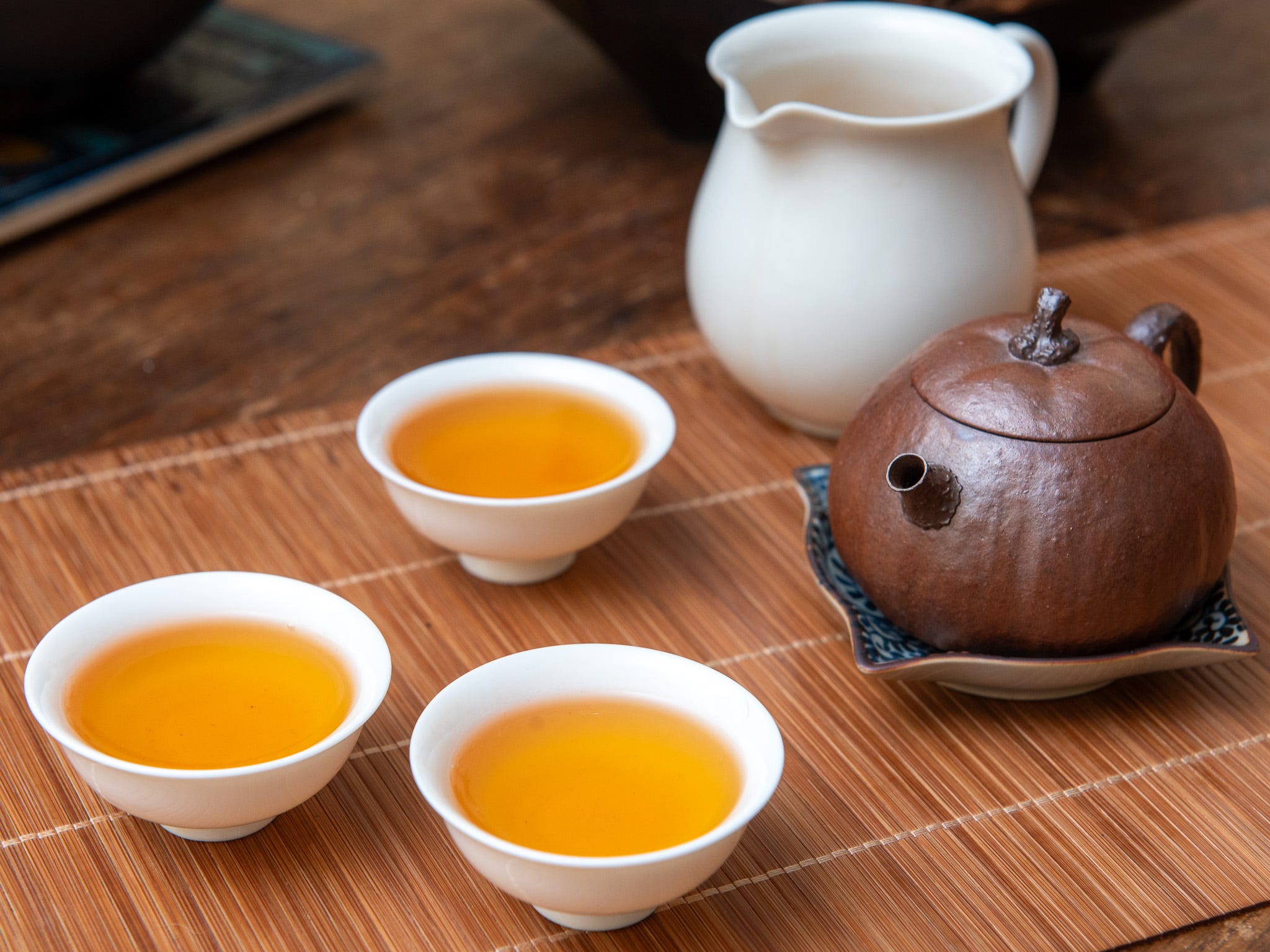
To brew: Terry drinks like a white tea but brews like yancha. Aim for a relatively high dose, like 8 grams in a 120 milliliter pot (1g/15ml) brewed with boiling water for 10 second steeps after a quick rinse. You can extend the brewing time after the fifth pot. I noticed a silky, elegant texture with initial flavors of toasted pastries and pralines. Those gave way to quince and pear notes, followed by the chocolate and vanilla character that lasted through an hour of brewing. I’m excited to see how this cake develops after a couple years of aging.
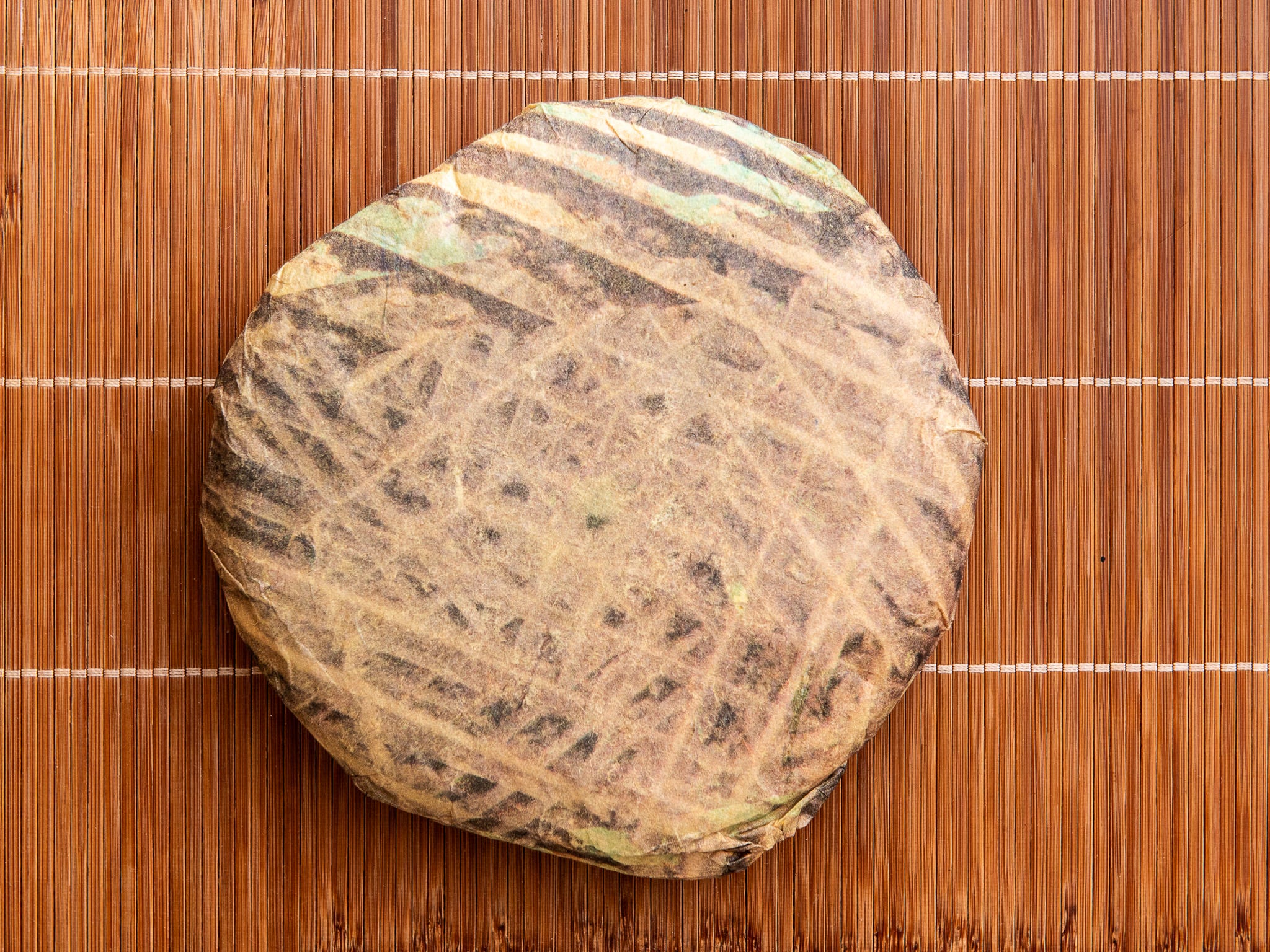
Steep it out
Whenever I drink tea with friends, I’m torn between two itches: to keep steeping a nice tea and see how far it can take us, or to try as many teas together as possible. Drinking tea in the United States is usually a solitary pursuit. It’s rare to get hours of time with someone to share the experience and compare notes, so I’m tempted to maximize those opportunities when they come my way. But there’s a particular pleasure in taking it slow with a single tea that you steep for 10, 20, or 30 infusions, like playing an album from start to finish, appreciating the silence between tracks.
People often ask me how many steeps I give a tea before I dump the leaves in the compost bin. For many good teas like today’s roasted white, endurance is part of their value. They reward long sessions with a dynamic trajectory of flavors and textures. If I move on from the tea after just a couple brews, I risk missing out on what the leaves have to show. At the same time, all teas eventually mellow out to a vaguely sweet broth. Sooner or later, the marginal benefits of yet another steep approach zero.
I usually encourage fellow drinkers to steep out a new tea for longer than they think they should. Not only so they get to really know the tea, but because sometimes the best cups emerge at the end of a session.
