

Notes on qi
Demystifying the spiritual and somatic side of tea.

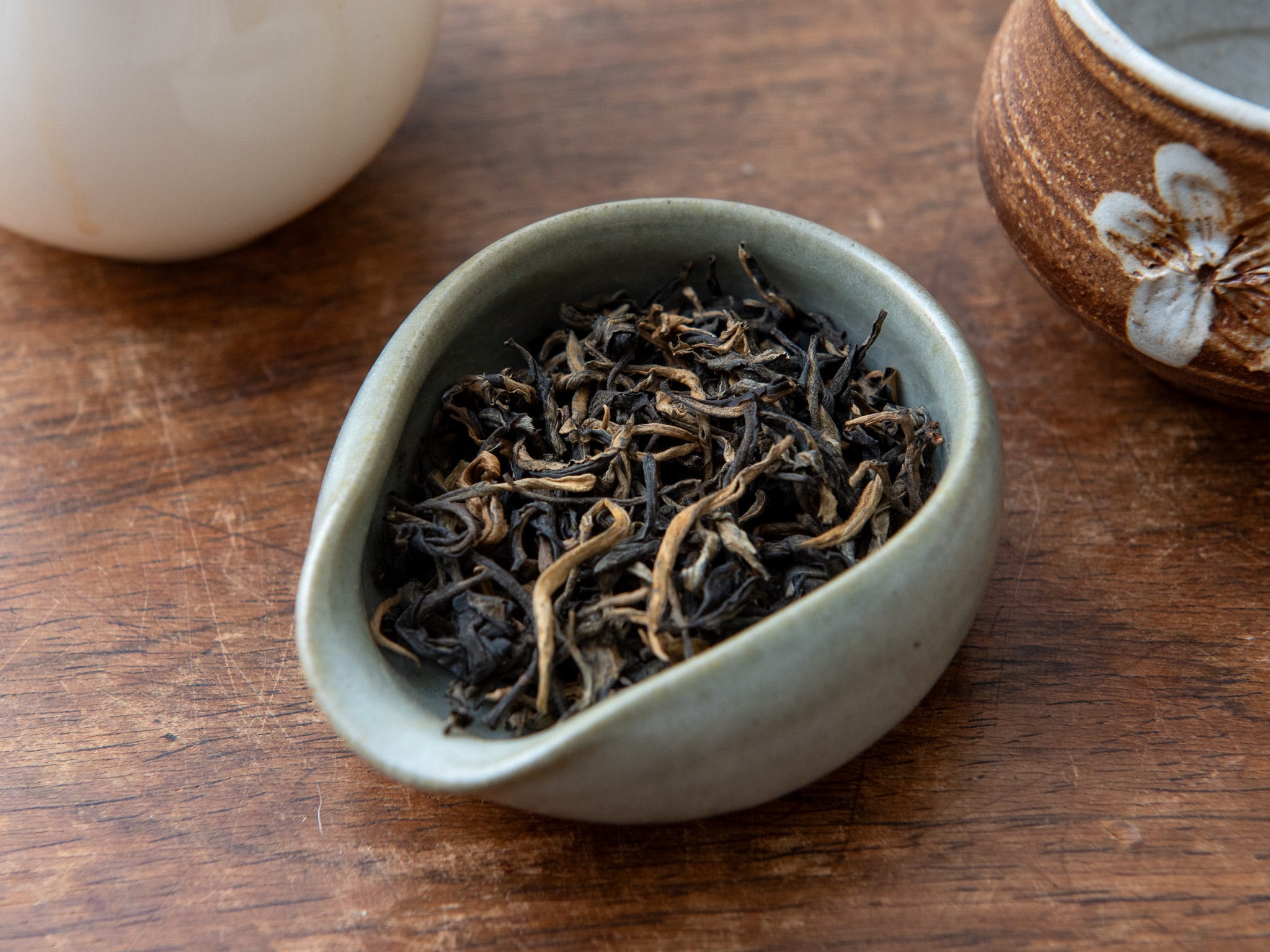
Forest dashi
The tea: Shan Tuyet Hong Tra black tea, sold by the New York Tea Society. $22 for 1oz.
Today’s deep dive for paid subscribers is all about cha qi, the elusive ability of some teas to act beyond taste and affect the body, its moods, and according to some, its spirit. I want to pair that with a tea that’s been affecting my own body in positive ways of late. This Vietnamese black tea, alleged to be from old wild trees high up in the Ta Xua mountains, brings a pleasing warmth to my forehead, cheeks, arms, and thighs. Drinking it seems to put me at ease and slow me down to good effect. It sneaks up on me like a first date that’s unexpectedly gone on for hours because we can’t stop talking to each other.
It also tastes delicious, with a gentle smokiness that reveals notes of dashi, cinnamon, and yam. Like many forest-grown teas, its greatest attributes emerge through a long session. I don’t think the brew really gets going until the sixth steep, and then it can run for hours. So this isn’t a bold black tea for a quick morning cup. It’s for catching up with friends after a long meal, ideally by a fire one of them made under the stars, which happens to be how I spent part of my weekend.

The source: The New York Tea Society is a non-profit members club dedicated to spreading tea culture through the city and online. They have a serene tea room in Manhattan’s Koreatown that I featured in my story on sober social clubs in New York, and it’s a lovely place to sit and brew tea from their substantial menu. There aren’t many tea houses in the city that let you steep your own tea with a steady supply of hot water, so this is a big plus for those of us who like to take more control of what’s in our cups. The society also hosts events including game nights and talks on teas and producers, and they ship their teas nationwide. Organizer Roy Lamberty has been buying tea from this Hmong family of tea makers for years now, and he carries a range of black, white, and puer styles from their trees said to grow at 1,700 meters.
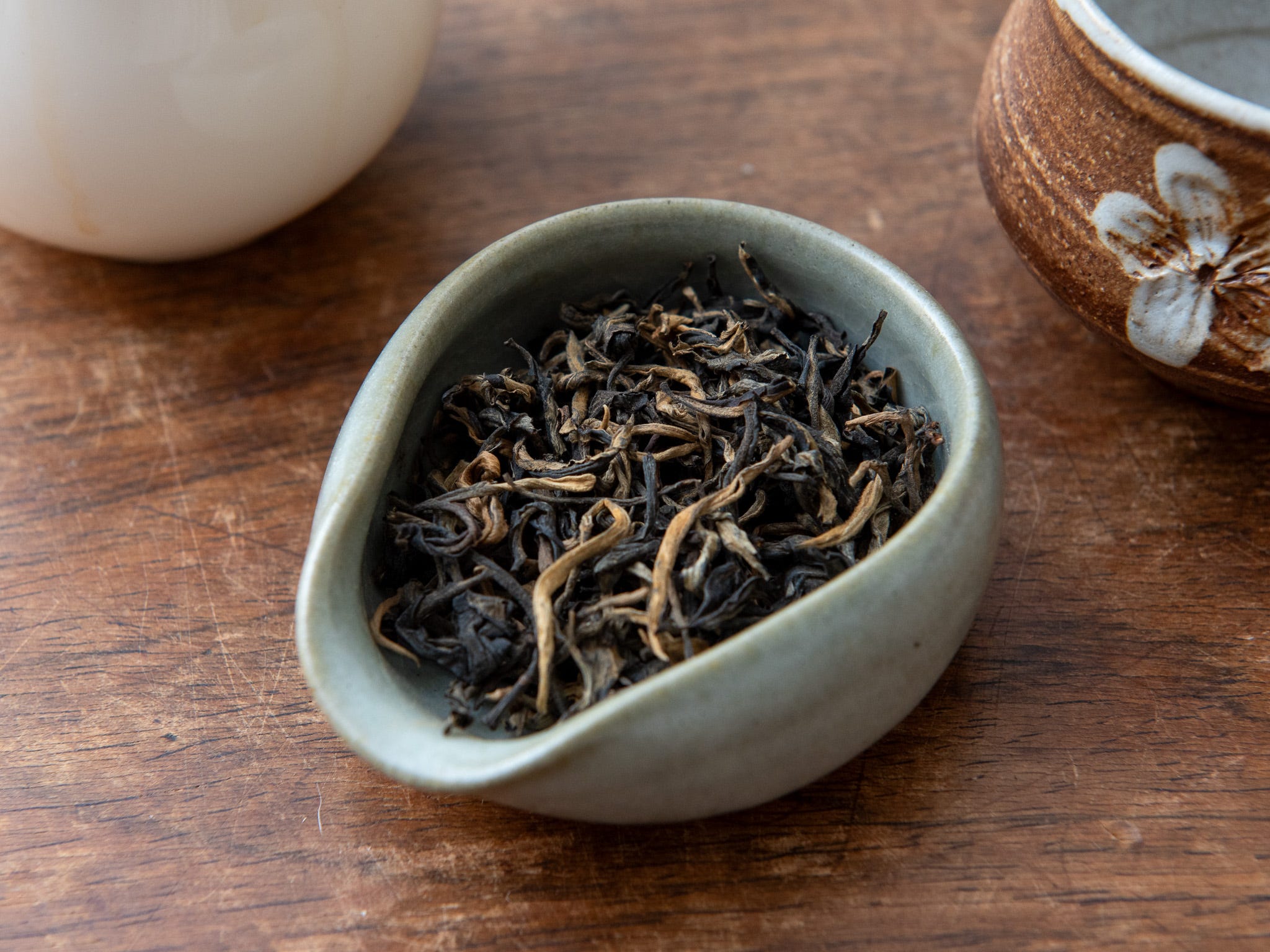
To brew: Despite its light smoky aroma, this isn’t a smoked tea in the sense of lapsang souchong style production. The smoke isn’t applied to finished tea leaves; it likely comes from a wood-burning wok used to process the fresh material. This often happens in rustic processing facilities where there isn’t much ventilation, and a smoky tinge is a regional style seen in some Vietnamese teas. The smoke disappears after a few brews, and the leaves offer many. Try 5 grams in a 75 milliliter pot (1g/15ml) brewed with boiling water for 20 to 30 seconds. I’ve never tasted a dashi flavor in a tea before this one, and I love the way it dances between sweet and savory. The brew has a nice salivating effect and its light texture clings to my mouth. After a few cups I start sweating around my forehead and cheeks. Your mileage on this may vary, but try opening yourself to the experience and see where the tea takes you. It’s gentle, yet powerful.
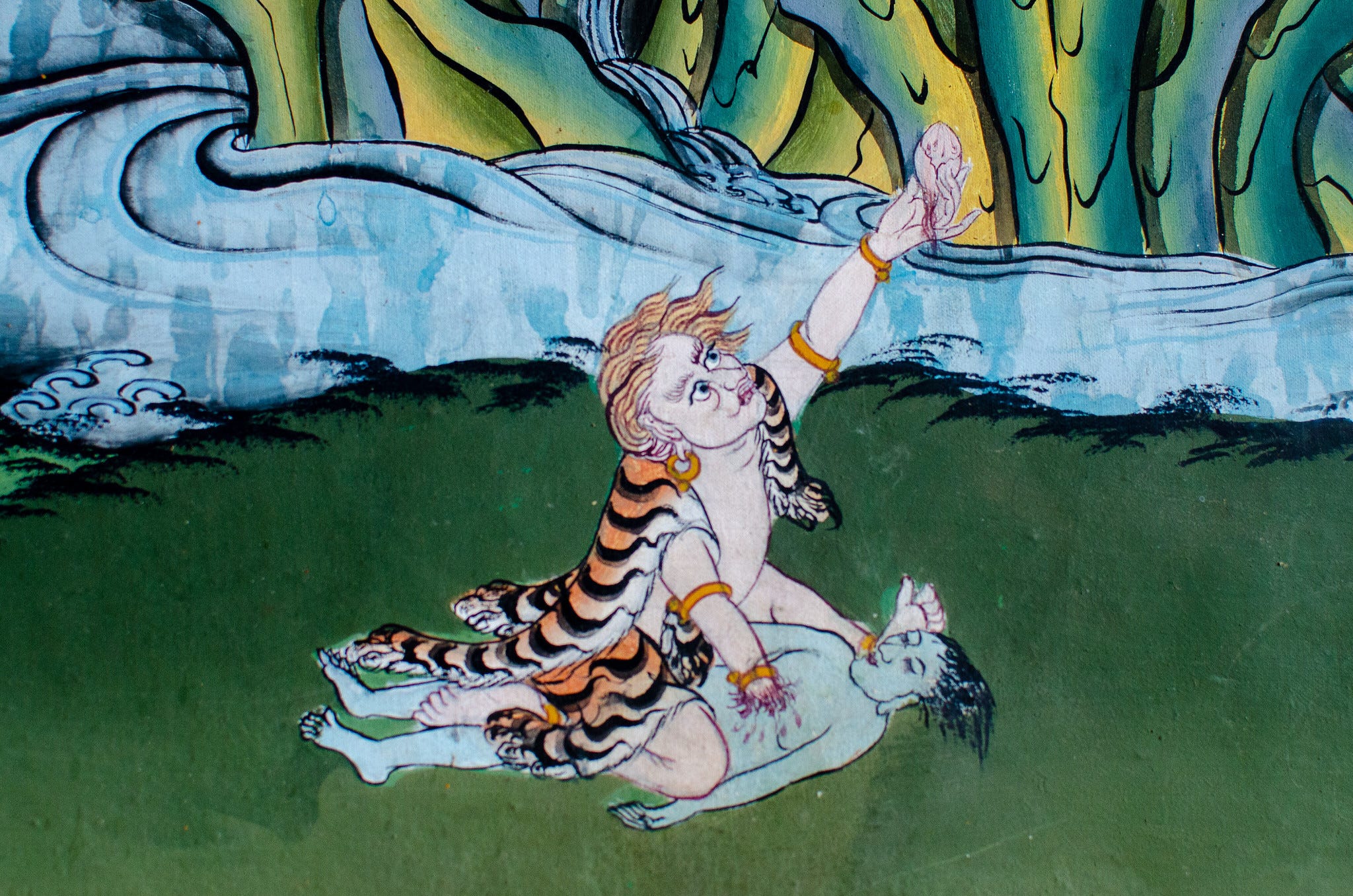
What is (and isn’t) cha qi
Few tea topics court as much controversy as cha qi. Literally “tea breath” or energy flow, it’s a concept that, depending on who you ask, is a spark of the divine made manifest, ancient medicinal wisdom, a cool nootropic, or a psychosomatic placebo. Some drinkers believe that seeking cha qi is the end goal of drinking good tea, that with enough time and experience, one increasingly prioritizes how a tea makes them feel instead of looking for novel flavors and aromas. Others use cha qi as a focusing lens for meditation practice or spiritual growth. There are traditional medicine practitioners who select warming or cooling teas to bring the body back into balance. Newcomers sometimes ask for qi-filled teas the way a cannabis sales clerk describes a strain’s THC percentage.
Qi is elusive, personal, limited in documentation, and at least partially intangible. After drinking tea for a long time I do think it’s a real thing, but I can’t point you to how or what makes one tea full of qi and another tea empty of its influence. Anyone who says they can with certainty is probably trying to sell you something.
I’m not qualified to speak to qi’s role in traditional medicine systems, and as an existentially-inclined Jew I’d rather avoid discussing spiritualism altogether. What I can do is share my experience as a tea drinker whose life has been genuinely changed by this strange leaf.
