

Should herbal tea be called “tea?”
A brew made from blueberry leaves + the future of tisane terminology.

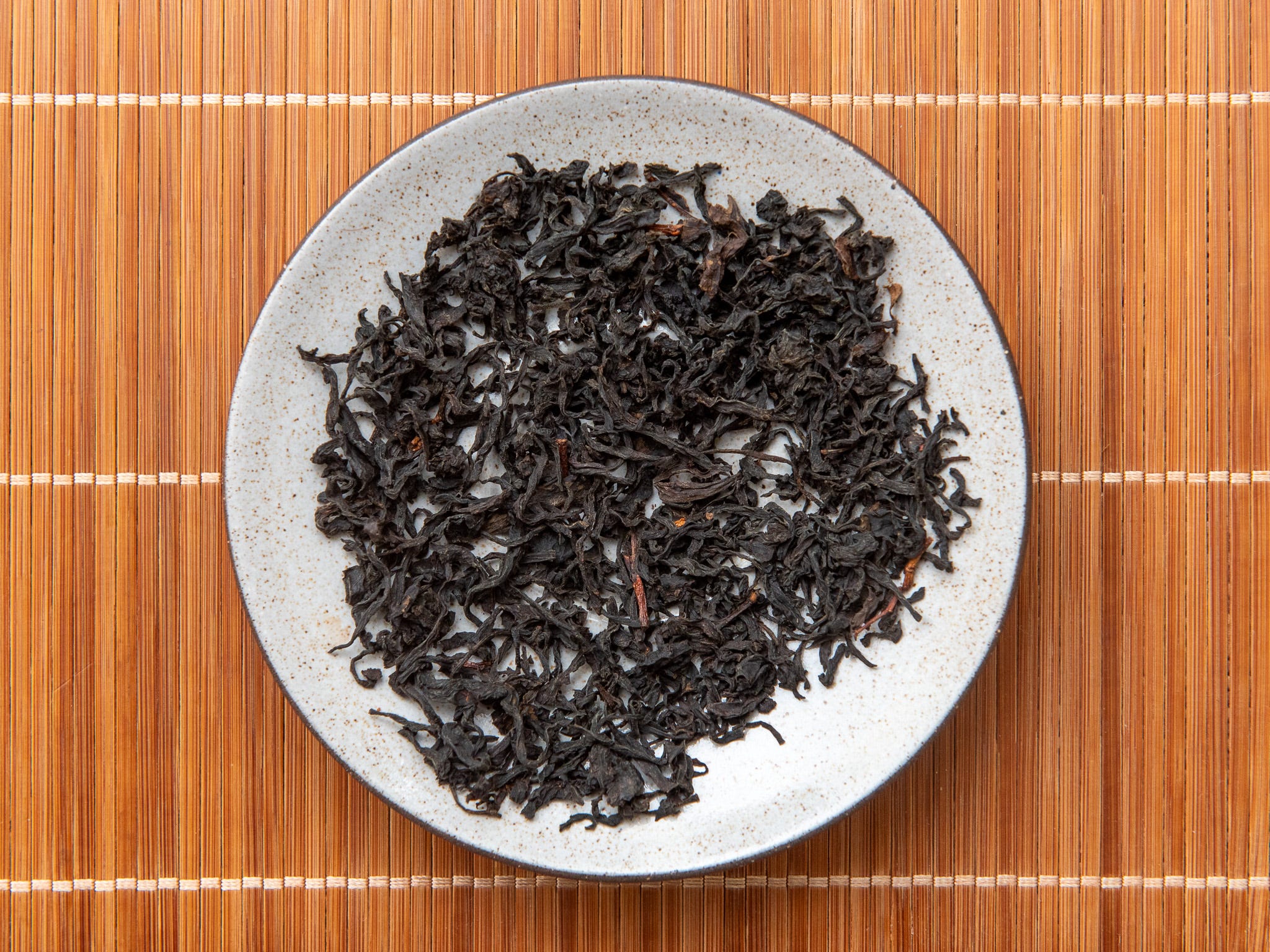
Tea-processed herbal tea
The tea: Wild blueberry leaf herbal tea, sold by O5 Tea Bar. $22 for 40g.
No one in the Republic of Georgia knows how long they’ve made rolled and oxidized teas from the leaves and fruits of local plants, or if that knowledge was homegrown or inspired by Chinese tea-making techniques. But the folk tradition quietly endures, and teamaker Davit Tenieshvili is one of its practitioners. His blueberry leaf tea—technically Vaccinium myrtillus, or bilberry, a European cousin to American blueberries—smells like blueberry jam and drinks like a black tea. If you’re sensitive to caffeine but wish herbal teas tasted more like, well, tea, you need to try this one.
Tenieshvili grew up in western Georgia when the region grew enough tea to supply the Soviet Union. His family worked on a collective tea farm and set aside a small plot to make higher quality tea for themselves. When the USSR collapsed, so did the Georgian tea industry, but Tenieshvili’s interest in tea persisted through the turbulent post-Soviet period, and he started rehabilitating feral tea fields to resume production using homemade machines built from spare parts. The family farm has since gotten more modern equipment and a solar panel array thanks to outside funding, and Tenieshvili continues to make blueberry leaf tea alongside several “true tea” varieties.

The source: O5 Tea Bar in Vancouver caught my interest for its large selection of interesting herbal brews and folk teas like this blueberry leaf. They even stock a Vietnamese alder leaf tea made by the crew that Washington’s Balazs Henger instructed. (Like Tenieshvili, Henger makes rolled and oxidized herbal teas from local plants to delicious results.) The site reads like a museum exhibit of oddities that don’t fit neatly into the typical tea classifications. I have a lot of drinking to do.
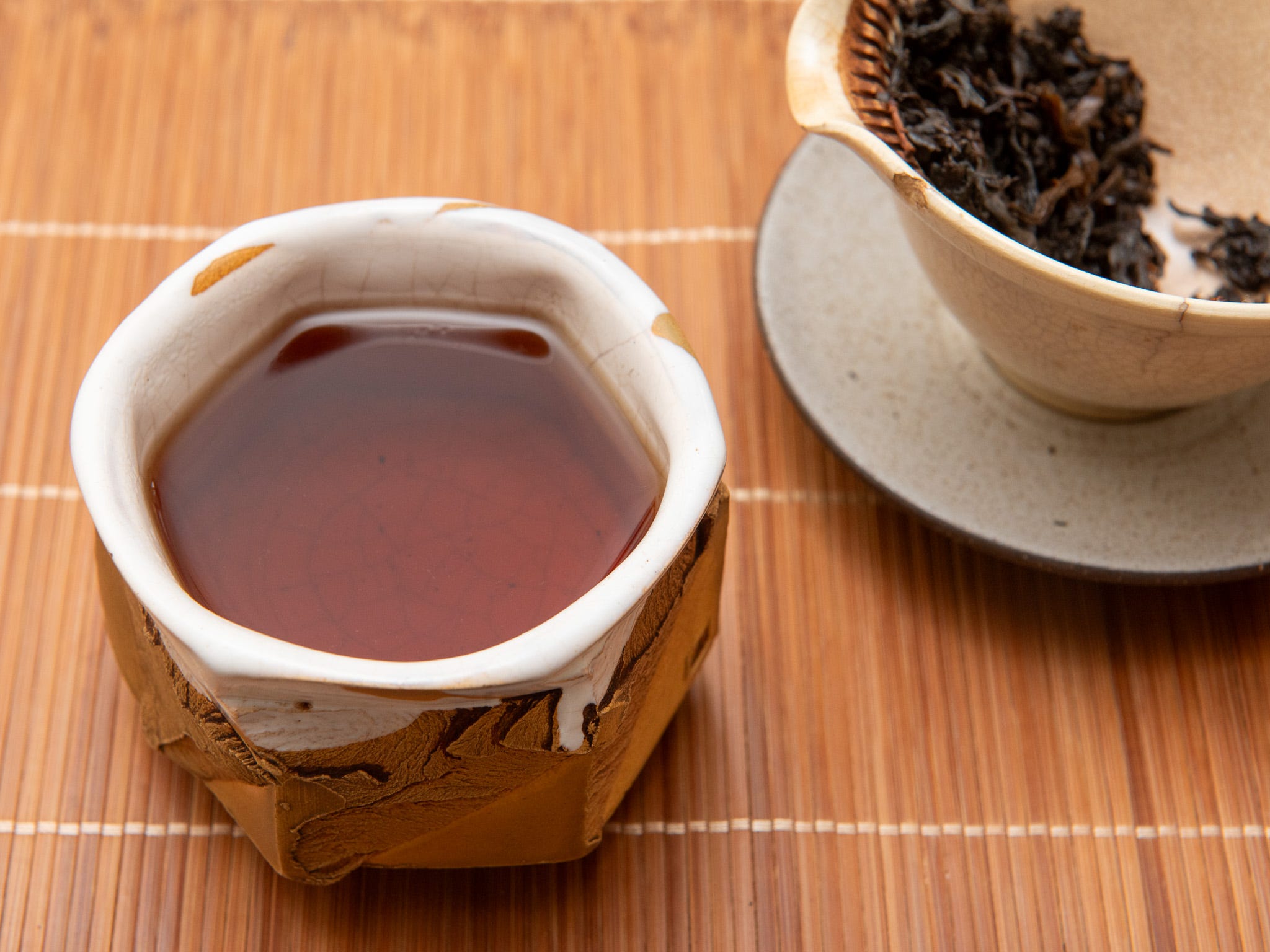
To brew: These blueberry leaves are processed like black tea and can be brewed as such. I like 4 grams in a 150 milliliter pot steeped for 90 seconds. This method yields a cranberry-tart and maple-tinged brew with clear blueberry flavor, a light black tea body, and coppery sweetness. Longer steeps bring out more texture and herbal backbone without bitterness. I get a cool and sweet feeling on my tongue as I exhale, like the satisfaction of eating a bowl of chilled cherries on a hot day.

What counts as tea?
The question is high stakes to some and annoyingly academic to others: Is it okay to call herbal teas like mint and chamomile tea, or should they be strictly excluded from the category and be labeled as tisanes instead? On one side are the tea purists, who say that tea refers specifically to the Camellia sinensis plant and infusions made from its processed leaves. On the other are the linguistic descriptivists who argue that language evolves with common use, and thus the word “tea” can be understood to have two meanings, both a specific plant and a general beverage made from all sorts of ingredients.
The purists have a point. Tea made from Camellia sinensis has a long and storied history. A lot of work goes into processing the leaves into particular styles, creating unique flavors and building economic value into the product. Most herbal teas are simply picked and dried without the same intricate processing. This is one reason quality “true teas” are more expensive than herbal varieties.
If you make your living selling tea, that distinction matters. Your job as a tea seller is to convince people that artfully processed tea has irreplaceable value. Expanding your beverage category to cheaper tisanes dilutes your brand position. But merchants aren’t the only ones with a say in this debate. Drinkers matter too, and a lot of them come from cultures that call all kinds of herbal brews “tea.” And what about rolled and oxidized teas like today’s blueberry leaf? Are those not processed with similar care and attention to “true teas?” Don’t they reflect a similar craft and taste of place?
