

Merchant myths and tea hot takes
A conversation with Tea Technique’s Jason Cohen.

Tea Technique is the kind of resource I wish was around when I was first learning about tea. Though it takes the form of a subscription-based newsletter and blog like Leafhopper, it’s better understood as an online reference book on the history, culture, art, politics, and philosophy of Chinese tea. Team members Pat Penny, Zongjun Li, Emily Huang, Nancy Lin, and Jason Cohen are engaged in true scholarship, producing in-depth documentation about tea topics rarely discussed in English. Their research is informed by historical texts and in-person reporting with hard-to-reach industry insiders. It’s dense and meticulously detailed—just the thing for a certain kind of tea nerd.
Jason Cohen is the ringleader of this crew and Tea Technique’s primary author. In his day job he uses AI to predict sensory preferences for food and beverage product development. However that work happens in his tatami-floored tea room in New York City, surrounded by dozens of antique teapots and an impressive collection of high end teas. Jason and I have logged hours drinking together in and out of that tea room. Today’s Leafhopper x Tea Technique collaboration is a conversation for Tea Technique’s podcast, hosted from the same space. The conversation actually began the night before at 1am, when Jason texted me asking what teas we should drink, so he could start soaking the right pots in water to best pair with our brews. He’s a little nutty about his teaware and I love him for that.
We wound up talking for more than two hours, and you can listen to or watch the unabridged version on Tea Technique’s podcast and Youtube channel. Here I’ve condensed the 24,000-word transcript of that chat into a highlight reel of our discussion. Catch our thoughts on tea superstitions, what people get wrong about organic farming, and our most fiery hot takes below. You can also follow this link to get 20% off a year’s subscription to Tea Technique, an exclusive offer for Leafhopper readers!
On a teamaker’s mark
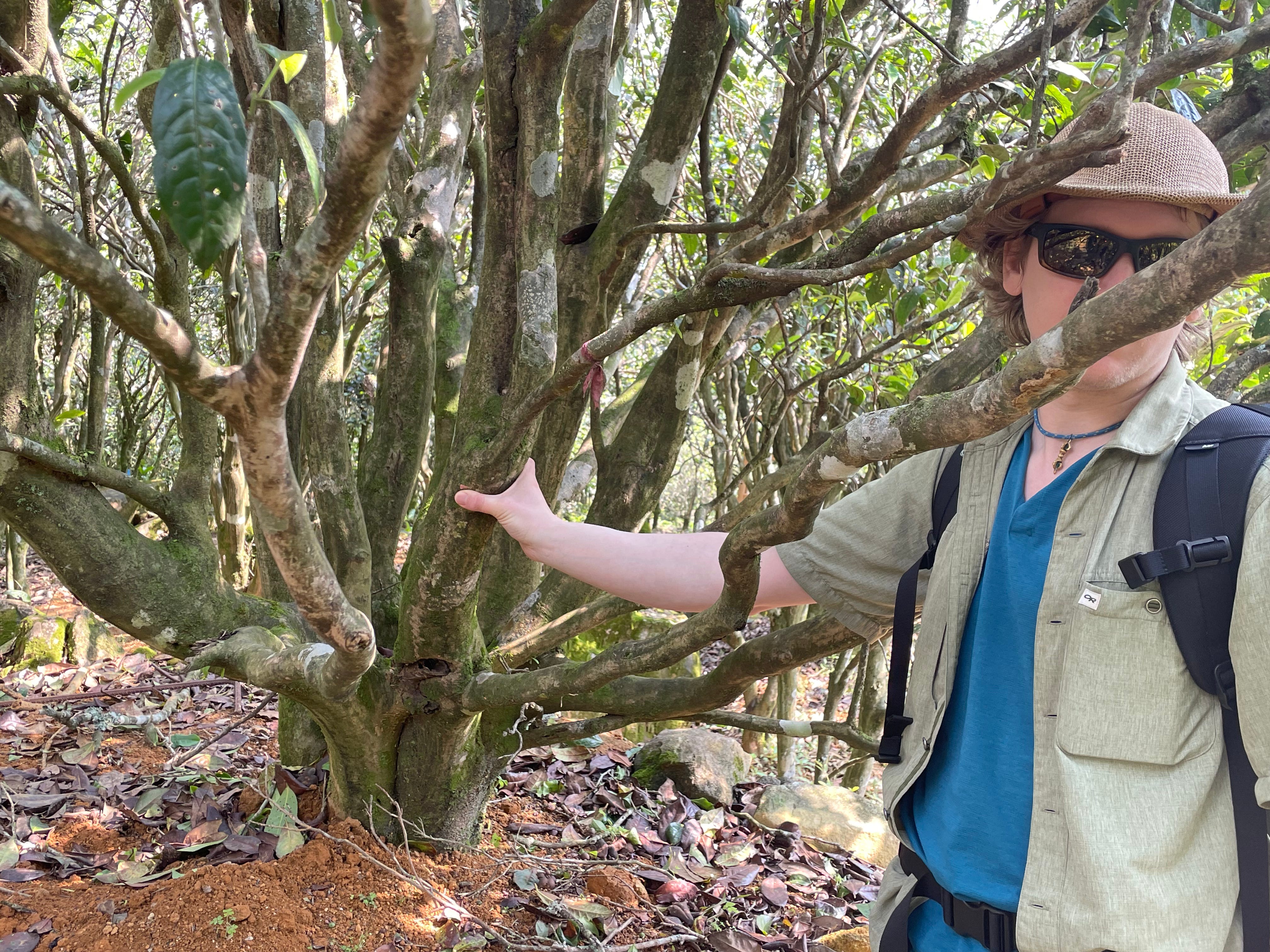
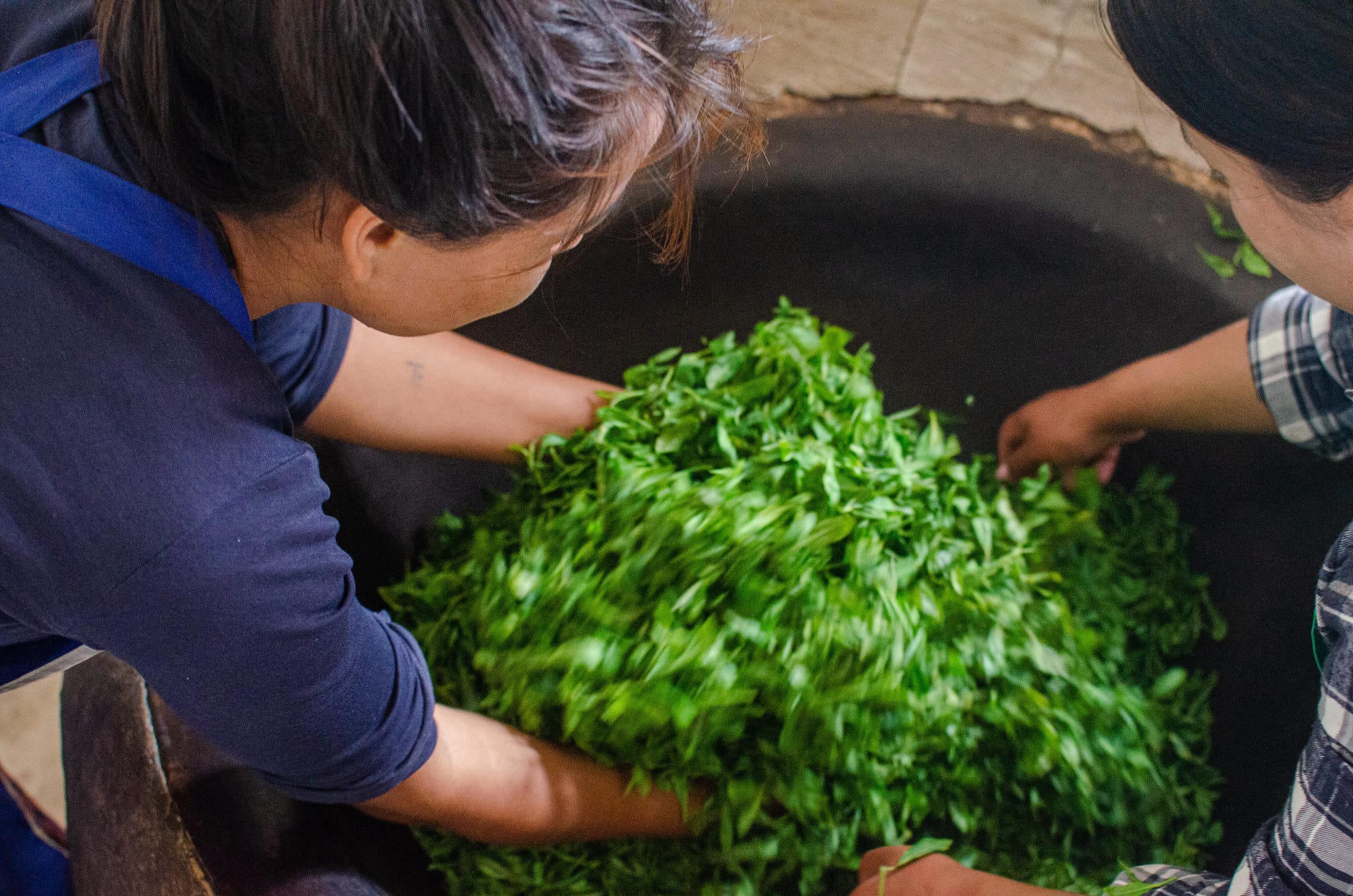
Jason Cohen: This Yiwu puer we’re drinking was actually planted as someone’s dowry. The family gifted it to the bride and groom at their wedding so that they would have something to harvest and pick and call their own. Part of what’s special about this tea is that it came from the deep forest, a very natural environment. The other thing that’s special is that we actually made this tea. Pat, Zongjun, and I processed the leaves by hand with instruction from the family.
Max Falkowitz: And each one came out different.
Cohen: It was shocking how different the tea was from each of us. Pat, being the strongest of us, did the hardest roll, and his leaves spent the most time in the wok. Zongjun did the lightest roll and shaqing (kill green). Mine was in the middle. So Zongjun’s tea is a little greener and fresher, a little more of that immediate floral aroma. Pat’s tea has more of a cooked, steamed flavor. It’s a little sweeter and a little less bitter. The differences were relatively minor; we’re talking about a minute or two of rolling or shaqing. But they’re enough that we can really taste how different they turned out.

Falkowitz: In your trip report, you said how these differences would fade over time, like all the teas will age into what the leaf was destined to become.
Cohen: That’s specifically because it’s good tea and we didn’t make any mistakes in its processing. So over the next 15 to 20 years, despite there being strong differences that we can taste today, the teas will actually converge.
On tea-aging superstitions
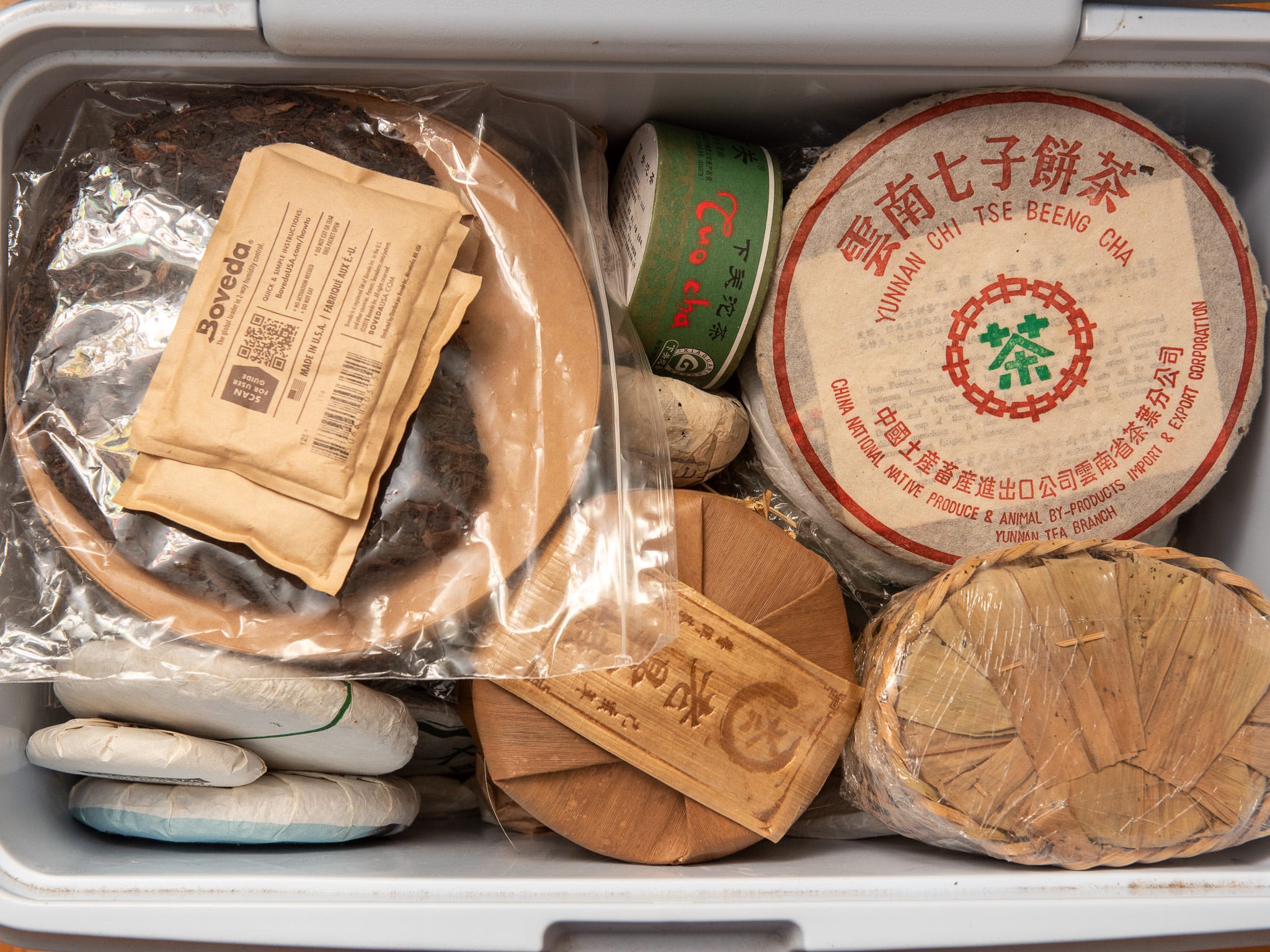
Cohen: The thing that’s really important is you’re never going to take a bad tea and turn it into a good tea with aging. You have to start with something good. Now what does that mean? This is where people get into all sorts of what I call merchant myths. Some people say it was only the factory puer blends that were ever made for aging. And other people say, no, it was the deep forest, totally wild, mythical, pre-Republic of China teas. Or that teas from this area age well and teas from that area don’t, or the claim that Jingmai teas need sealed storage and Yiwu and Menghai teas need humidified storage. But it’s very hard to know in advance how something is gonna age.

Falkowitz: It seems like there’s a lot of superstition in the hope of feeling in control. People have rituals over how they age their teas, with supplemental heat or humidity or what have you, even if they don’t necessarily know where the tea is going to go.
Something that I try to talk about on Leafhopper is what we consider the measurements of good tea. Often they’re numerical, like this tea is from trees that are 200 years old, or it’s been aged this number of years. They’re details that sound quantifiable and don’t require you to be where the tea is made. But it’s a number you can deal with and it makes you feel like you know something, because most people can’t access this tea at its point of origin. We’re going off whatever scraps of information we have and we’re desperate to make sure that this investment in tea and time turns out well. We’re grasping at straws for a sense of control.
Cohen: I totally agree with that. Something that I’ve written a lot about is that the access that we have here in the West is quite limited. It’s true there’s more access than ever before, but part of the problem is that few people have the correct references, or enough references, or trustable references to judge quality.
Falkowitz: I’m spacing out for a minute because your tea just hit me with this wall of peaceful warmth down my head to my back. I have a very loose understanding of what Yiwu puer means, but this kind of peaceful feeling is reminiscent of some of the better Yiwu experiences that I’ve had.
Cohen: One thing I’ve become a lot more comfortable with in the last few years, particularly in writing the books and having way too much tea, is to just drink the tea that I might think of saving for a special occasion later. I realized, why am I only drinking the lowest end teas in my collection? So I do make a point of drinking through my teas. The nice thing about puer is you can taste over time. You can determine if the tea is accelerating in the wrong direction, and if it is you can increase your short-term consumption of it.
On old growth tea
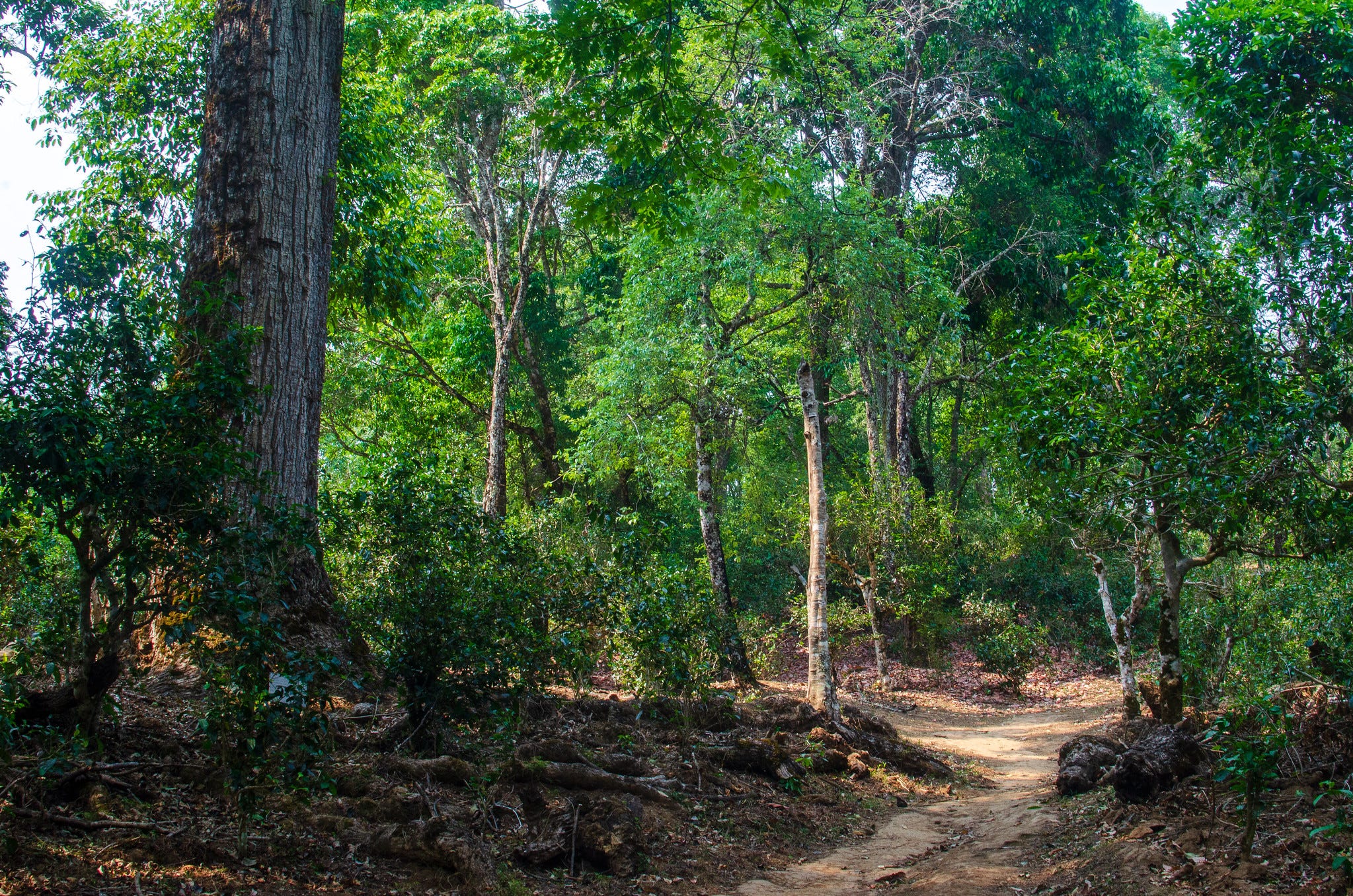
Cohen: The beauty and remoteness and sheer wildness of Xishuangbanna (in southern Yunnan) is hard to communicate. Xishuangbanna is not developed China. The tea isn’t cultivated in manicured fields. Driving into Yiwu, you have deep jungle on all sides. There are venomous snakes everywhere, including in the road. One village we visited only had 12 houses. Some villages are down to six or eight families now.
Falkowitz: We were talking before about how a lot of these places don’t even have paved or dirt road access.
Cohen: That’s still the case, and in the forest they don’t have roads at all.
Falkowitz: The forestry term for what you’re describing is old growth forest. I think it’s hard for Americans to appreciate what that means because almost all of our old growth forest is gone. What makes old growth forests interesting to foresters is that there’s life going on at every elevation from the ground to the canopy. It’s an astounding level of biodiversity and relationships between organisms. This is a long preamble to ask you, what does that kind of growing environment do for the quality of the tea?
Cohen: In the West we’re used to thinking a tea is gushu (ancient tree) or it’s not. But in Yiwu, gushu is often just the starting place. You have your tea grown in villages, you have your tea grown in forests, and you have tea from the deep forest. Then there’s the east slope tea, west slope tea, and so on. Tea that gets morning sun versus afternoon sun. So there’s all sorts of effects, but the predominant effect of a natural, healthy environment with balanced biodiversity is that you don’t need to use fertilizers and pesticides. Once you start monocropping, you’re going to need to use those.
The place where I found that monocropping most jolting was in Wuyi, where they make cliff tea. One of my bugaboos is when people drink the Kool-Aid on tea from mythical, magical places that are good because of a name, and Wuyi has a lot of that. My trip report from last year was not super positive on Wuyi. I talked about the use of fertilizers and pesticides, monocropping, and the intensive tea agriculture, and it got a lot of less-than-positive responses on the internet. Who could have imagined?
Falkowitz: In tea world? Never.
Cohen: The soil has been so depleted in parts of Wuyi that they have been importing soil since the late Qing Dynasty. So they’re bringing soil from other areas of the national park into this mystical, magical area where supposedly the best tea is made. If you’re bringing in foreign soil and adding fertilizer to that soil—
Falkowitz: —and you’re using non-native cultivars—
Cohen: Then can we really be talking about the depth and care for the land?
