

The tea newsletters I read
Plus a flower-scented oolong giveaway.

Calamansi oolong giveaway
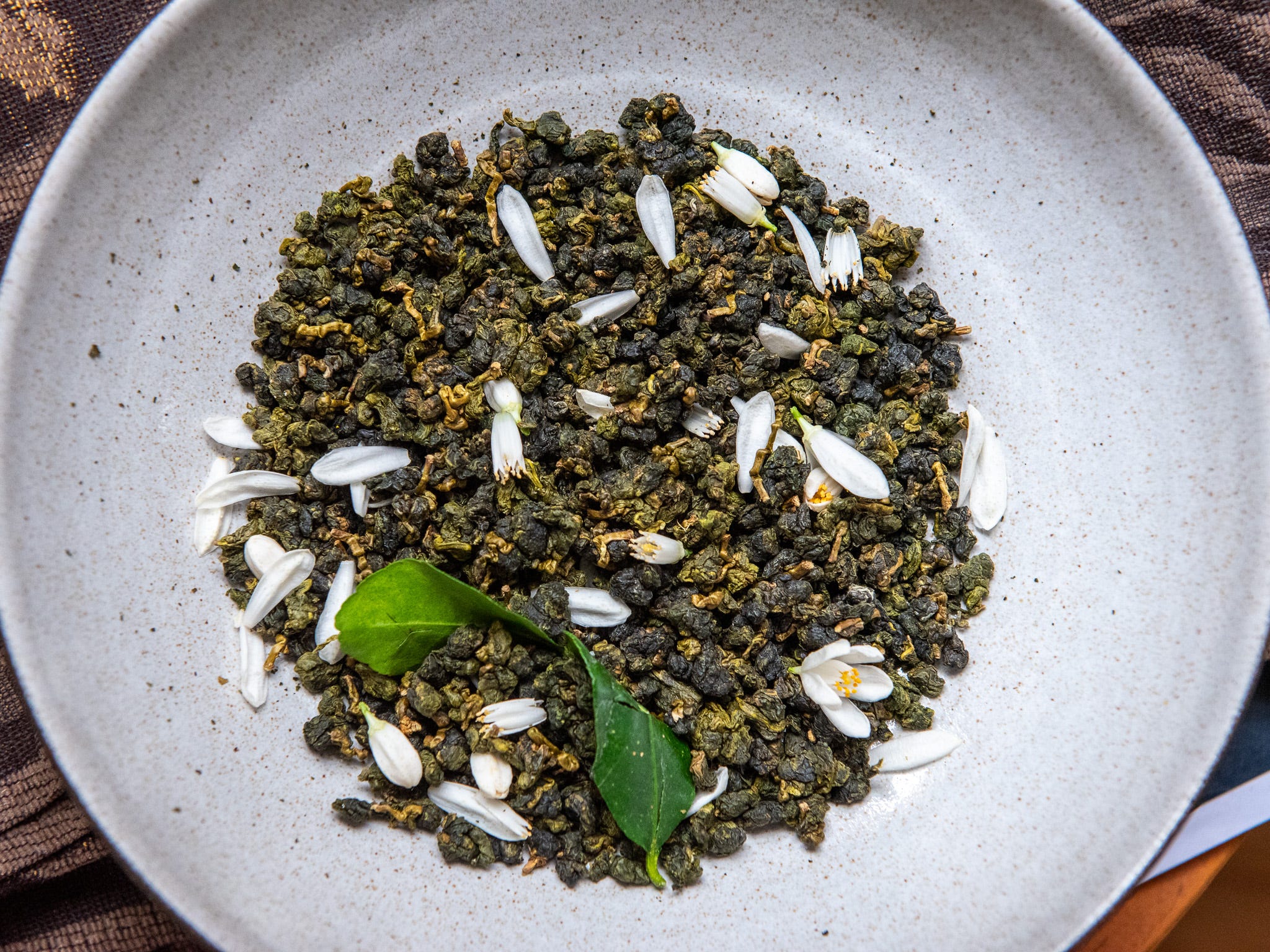
My calamansi orange tree is in bloom after a long dormant period and I’m celebrating with a home-scented citrus oolong. Two years ago I shared my first experiences with DIY flower-scented teas. Now a Leafhopper subscriber can taste those efforts firsthand.

I’m scenting a small batch of Eco-Cha’s high mountain Lishan oolong, grown at 2,000 meters and made this past winter. The tea has a powerful floral and herbaceous character. My calamansi blossoms will add layers of neroli, sundried tomato, and citrus musk. Scenting is in progress and should be complete in a couple weeks as my tree’s buds come into bloom. I expect the tea will go through four or five rounds of scenting during this period. Citrus-blossom-scented teas are rare on the Western market and even more rarely made with leaf material of this quality. These blossoms aren’t sprayed with pesticides either, which sets them apart from many of the flowers used for scenting.
To enter, make sure you’re subscribed to Leafhopper and click the heart icon at the top or bottom of this entry to “like” the post. I’ll pick a winner at random on the morning of Thursday, April 9th and contact them by email for shipping details. The winner will receive approximately 70 grams of calamansi oolong.
My tea newsletter reading list
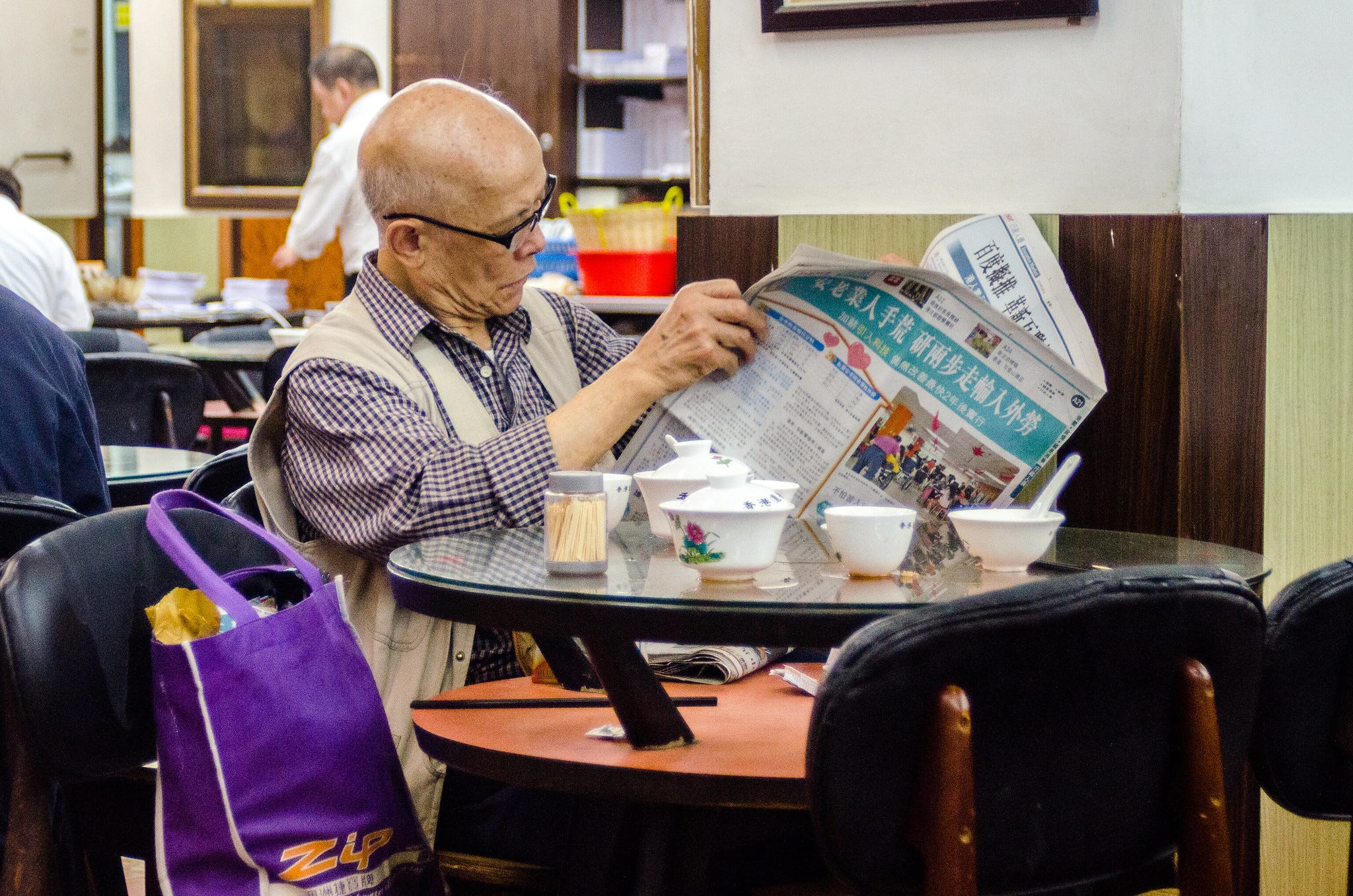
Good tea writing always lies on the fringes. Despite tea’s deep commercial impact, Western media doesn’t take the beverage category seriously, and the rare published article is even more rarely accompanied by any expertise. So students of tea are used to rooting out good stories from wilder territory, like truffle pigs. Nuggets of insight used to be found in niche books and academic titles. When I was first learning about tea in the early 2000s, people wrote blogs. Most of those bloggers have since retired or retreated to Instagram, Reddit, or private message boards on Discord.
Now it’s the 2020s and newsletters are cool again, and there’s a bevy of new voices worth subscribing to. Today’s Leafhopper, free for all subscribers, is a look at those new and established voices that cover tea from in and outside the industry. These are the people on my reading list. I’d love to know who else is on yours.
Tea w/ Dweez: Alex Dwyer is a Leafhopper comments section frequent flyer, so forgive my bias. Dwyer’s phantasmagoric entries and photo-collage art make for good reading in the bathtub or while smoking a joint. They’re part travelogue and part drinker’s philosophy for a deep examination of what makes good-tasting tea, in all its senses.
Tea Technique: Jason Cohen and team are publishing definitive textbooks on tea and teaware in paywalled newsletter form. They do thorough on-the-ground research across China to cut through vendor myth-making and explore the history, tradition, art, and science of tea culture in impressive detail. In addition to the paywalled textbook they produce occasional trip reports on the Cult of Quality blog and an entertaining podcast, which yours truly has had the good fortune to appear on.
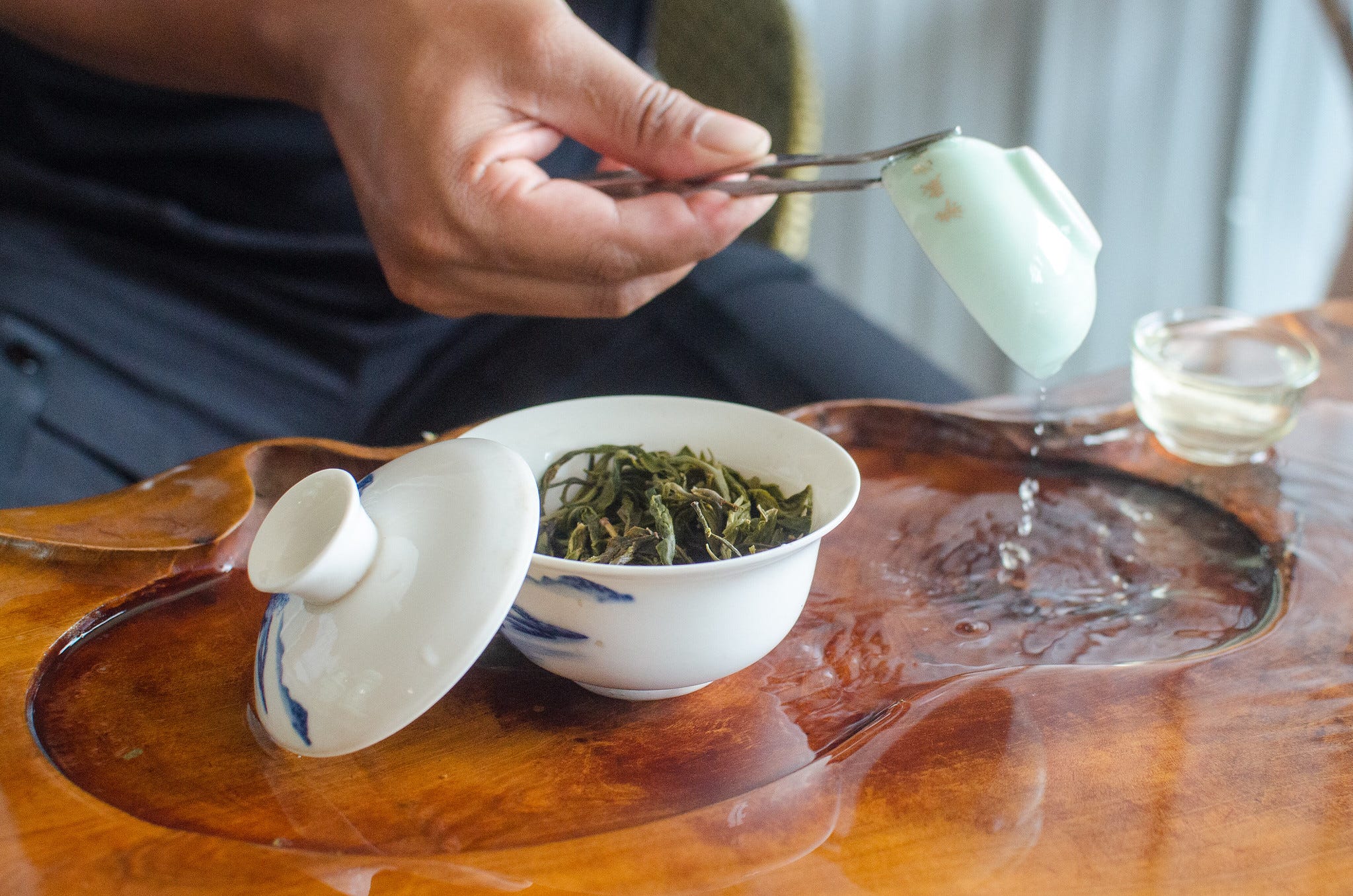
Short Little Steeps: I’ve learned a lot about tea through my friendship with Wooju Lee, who recently launched a boutique business called Listening to Leaves that ships samplers of very high end, very serious teas to those who seek levels of quality beyond what the Western market typically offers. His infrequent but meaty newsletter reads like seasoned advice from a longtime drinker on what to pay attention to and what to ignore. Subscribe and seek revelation.
It’s More Than Tea: Jill Rheinheimer is a tea educator at Ann Arbor’s Teahaus, and I perk up every time one of her posts hits my inbox. She covers tea topics with an industry eye, like taking stock of the Assam tea industry or detailing how different tea grades show up in your cup. The glossary of sources that accompany each post is a bonus roadmap for further tea edification.
Steep Insights: A former buyer and blender for Davids Tea, William Dietz writes primarily for budding tea entrepreneurs and those interested in the business of blending and branding. I like the inside baseball on how tea companies make decisions and where well-meaning founders often go astray.
Between Leaves and Letters: Shabnam Weber is a tea industry veteran who currently heads the Tea Association of the USA and the Tea and Herbal Association of Canada. Her monthly newsletter takes a mix of diaristic and industry approaches to tea. If you’re curious how longtime tea promoters think about how to promote tea to the masses, take a look.
The Quiet Pour: Herbs & Kettles co-founder Poorvi Chordia recently launched this newsletter about her experience promoting specialty Indian teas that rarely see foreign markets. There are candid small business chronicles, spotlights on her travels, and personal reflections that regularly get me thinking.
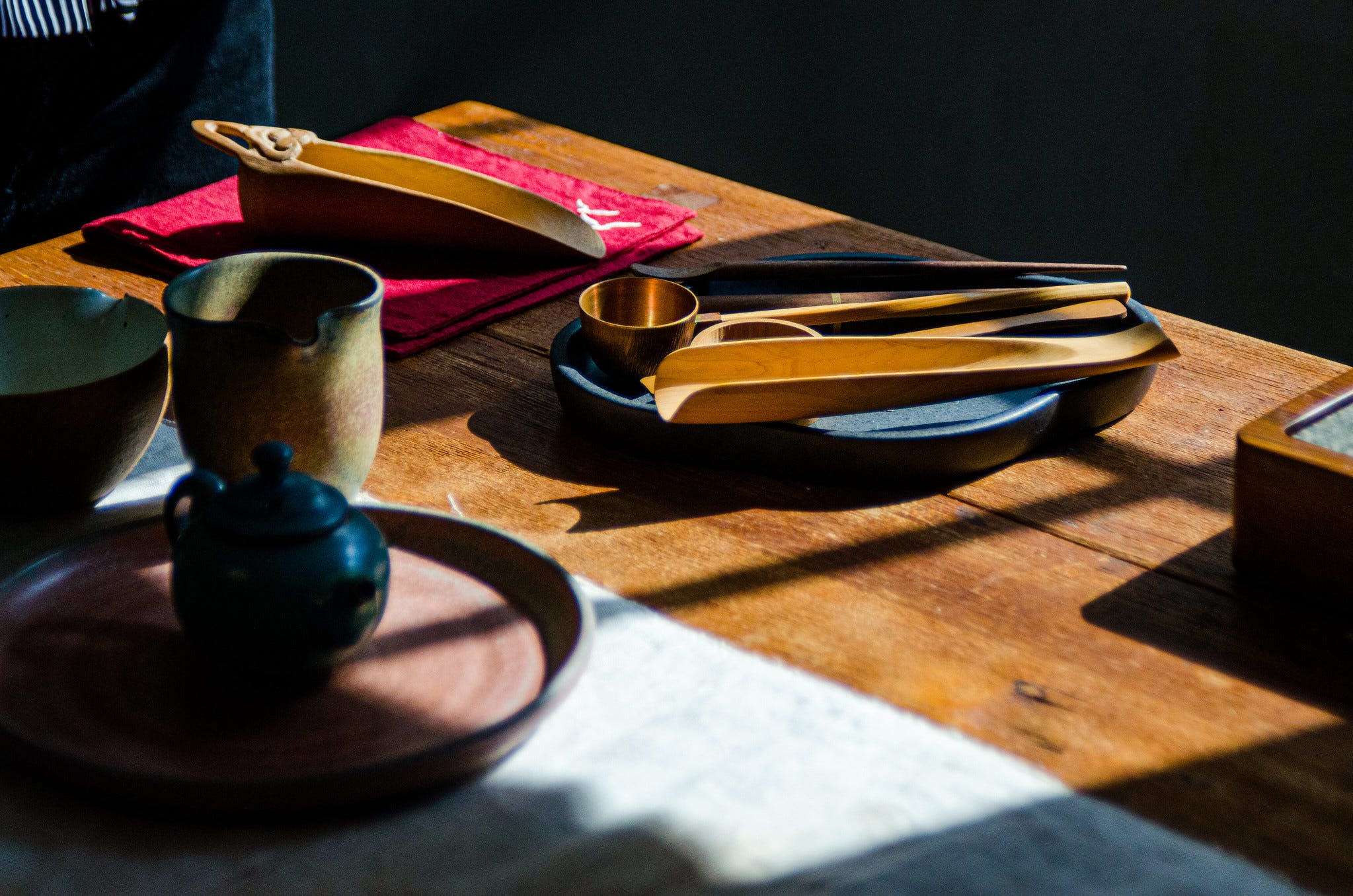
Chillicat Talks Tea: One perk of newsletters over other forms of online publishing is that you’re not punished for irregular entries. This tea Discord person sometimes goes months between posts, but their on-the-ground stories from China always catch my eye, especially with their beautiful photography. The newsletter is mostly for the puer freaks but I think it holds interest for anyone who thinks about tea as an avatar of nature: something grown in the ground that plays an integral role in the lives of the people that pluck its leaves.
Wet Leaf Dry Leaf: Another Discord-adjacent writer who focuses on tasting and tea quality: what makes a good tea, how can you tell, and what should you look for? This is the kind of drinker’s advice that usually gets bandied back and forth in DMs or group chats. I love to see it in a more archived form.
72 Seasons of Tea: Peck Gee Chua writes from Japan about the spiritual side of tea, incorporating nature, Zen philosophy, and Taoism into her entries. This aspect of tea discourse doesn’t come naturally to me, so I’m grateful to read a more eloquent expert on the subject.
Kettl Tea Substack: Zach Mangan of Kettl is one of my Japanese tea rabbis, and this company blog has insider looks into the matcha boom, interviews with producers, and a side of tea production that’s rarely shown to the public in much detail.
Tea for Me Please: Nicole Wilson has been blogging about tea since 2008. How’s that for longevity in the business! You can subscribe to her newsletter for email alerts on new entries; Wilson offers breezy and informative looks into tea styles, tasting vocabulary, and individual productions.
Tea Loving OuTea: Boitelo H. Motaung sends charming newsletter entries from South Africa for an engaging mix of travel, history, diaristic storytelling, and tea commentary. His writing is the kind that thrives in blog formats. It’s personal, peripatetic, and self-aware.
If you’d like to support this newsletter, consider upgrading your subscription to receive future deep dive entries and full access to the Leafhopper archive. You can also get a taste with a 7-day free trial. Leafhopper is a 100% reader-funded publication, and new paid subscriptions allow for more ambitious tea stories. If you can’t afford the price of a subscription but have a passion for tea and desire to learn more, email me and we can make it happen, no questions asked.
https://taiwanteaodyssey.com
Thanks for the juicy info....