

Clay vs iron vs steel
This month in tea + comparing electric and analog kettles.

What’s hopping
What I’m drinking: Eco-Cha in Taiwan just released the 2025 harvest of their GABA oolong, one of my favorite GABA teas that was out of stock when I covered the topic earlier this year. It’s papaya-sweet, tomato-savory, and full of mellow warmth, as a GABA oolong should be. The maker of this tea doesn’t run a certified organic farm, but uses soil-building practices to improve their fields while making a commercially viable product. This includes letting weeds grow tall between tea bushes, then flattening them down as mulch. The slow accumulation of organic matter makes for a healthier growing medium in a farming area that’s dominated by conventional tea production.

Reading: I’ve been researching fireweed, an herb that’s made into tea with some notably tea-like processing. While most herbal teas are simply cut and dried, fireweed leaves first get bruised and oxidized to develop ripe fruity flavors. The resulting brew tastes surprisingly tea-y and it has a long history in Eastern Europe, where it’s called Ivan chai. That’s all preamble to this paper in the journal Heliyon about the internet’s role in popularizing Ivan chai in the modern day. The researchers describe how myths, memes, and marketing get folded into the Ivan chai narrative with incredible speed and intensity, becoming the primary sources for people who have no other connection to the drink. There’s some interesting stuff about Ivan chai as a signifier of Russian identity—and as a vector for racist Russian nationalist rhetoric.
Thinking about: Great news for my inner child: New York City has seen a happy uptick in fireflies this year. It turns out this is likely due to the warm and rainy weather we had in early spring, which created good conditions for firefly larvae. Insects really are nature’s bellwethers. Their short lifespans mean populations can rapidly rise and fall depending on environmental conditions, so their presence (or absence) tells us a lot about what’s happening in the ecosystems around us. I don’t know how tea farmers handle the weather’s increasing volatility. An unexpectedly cool rainy spring could create an explosion of sap-sucking aphids that can ravage a tea field, and there’s not much a farmer can do about it, especially if they avoid pesticide sprays. Large companies like Lipton are the most insulated from atypical weather because they buy from so many sources that they can amortize one harvest loss among many others. Individual growers with small plots of land are out of luck.
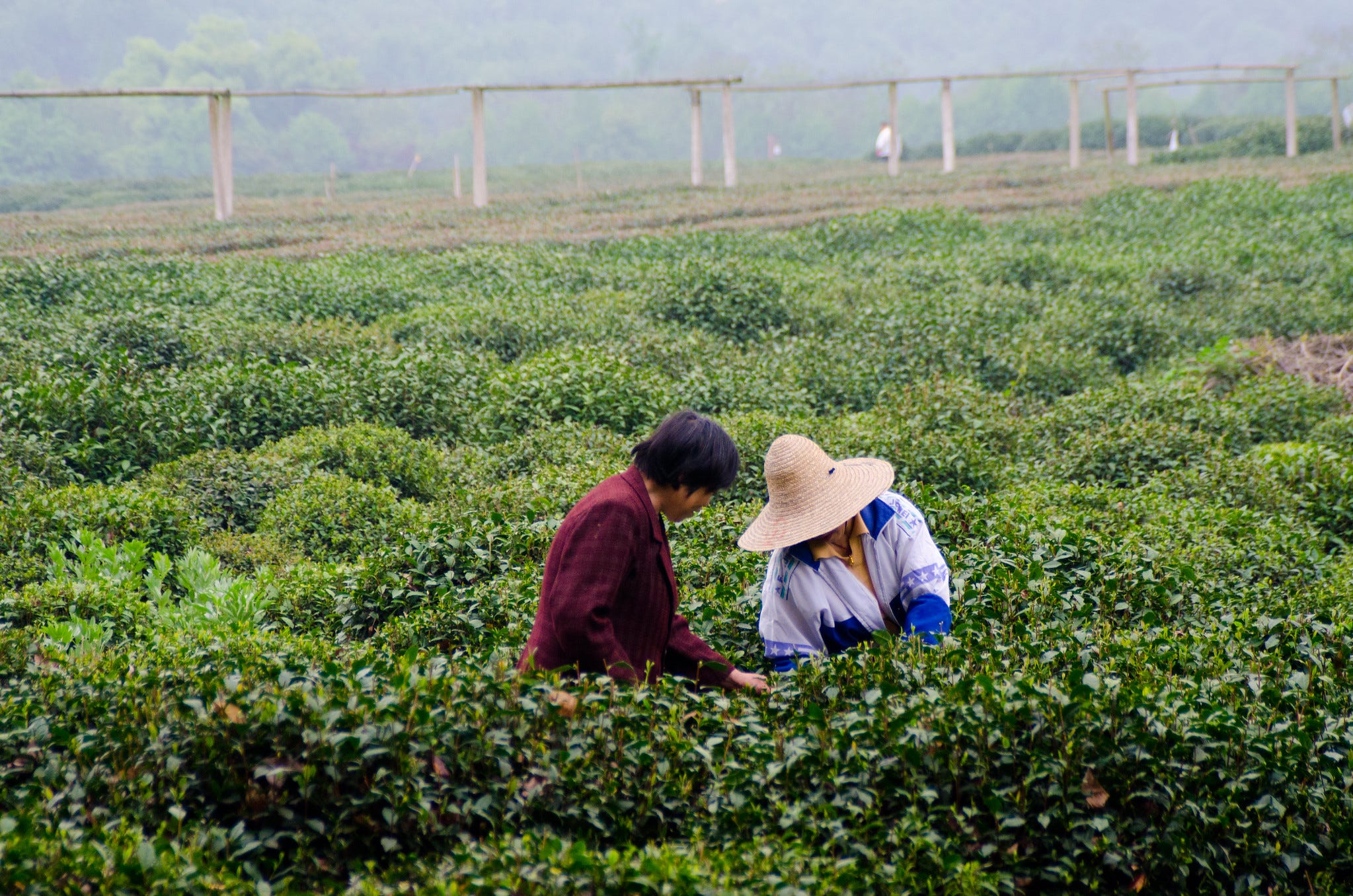
Looking into: As labor costs rise, more and more tea farms will turn to mechanically harvested tea instead of hand-picked. The problem with most tea harvesting machines is that they can only operate on flat land and aren’t discriminating about which leaves get picked, so the plucking standard can be all over the place. But new technologies like the Williames selective tea plucker and Surinova t-rover show some promise for better plucks. The Williames machine can select individual shoots to pluck rather than shearing the whole top off the plant, and the Surinova design can handle relatively steep slopes, while most mechanical harvesters can only work on flat land. Factor in high-speed cameras that detect ideal leaves, like how this tomato sorting machine spots underripe fruit, and we might see a future of mechanical harvesting that could inch closer toward hand-plucked quality.
Planning: I’ll be hosting another tea talk at Index next month all about puer! More details to come, but if you’re in the New York area and want to taste some fermented and aged teas from my private stash, stay tuned.
Leafhopper is taking a break next week for Labor Day. See you on September 8th!
Which kettle makes the best tea? A material consideration
Leafhopper regulars know that I’m not the biggest fan of electric kettles. They can be cumbersome to use, lack crucial features, or worse, are overstuffed with bells and whistles that get in the way of simple brewing. I don’t like how most of them look or how many incorporate plastic into their designs. I’ll happily use an electric kettle if I’m away from home and need to boil water, but when it comes to my inner tea sanctum, I’d rather go with what feels right to me.

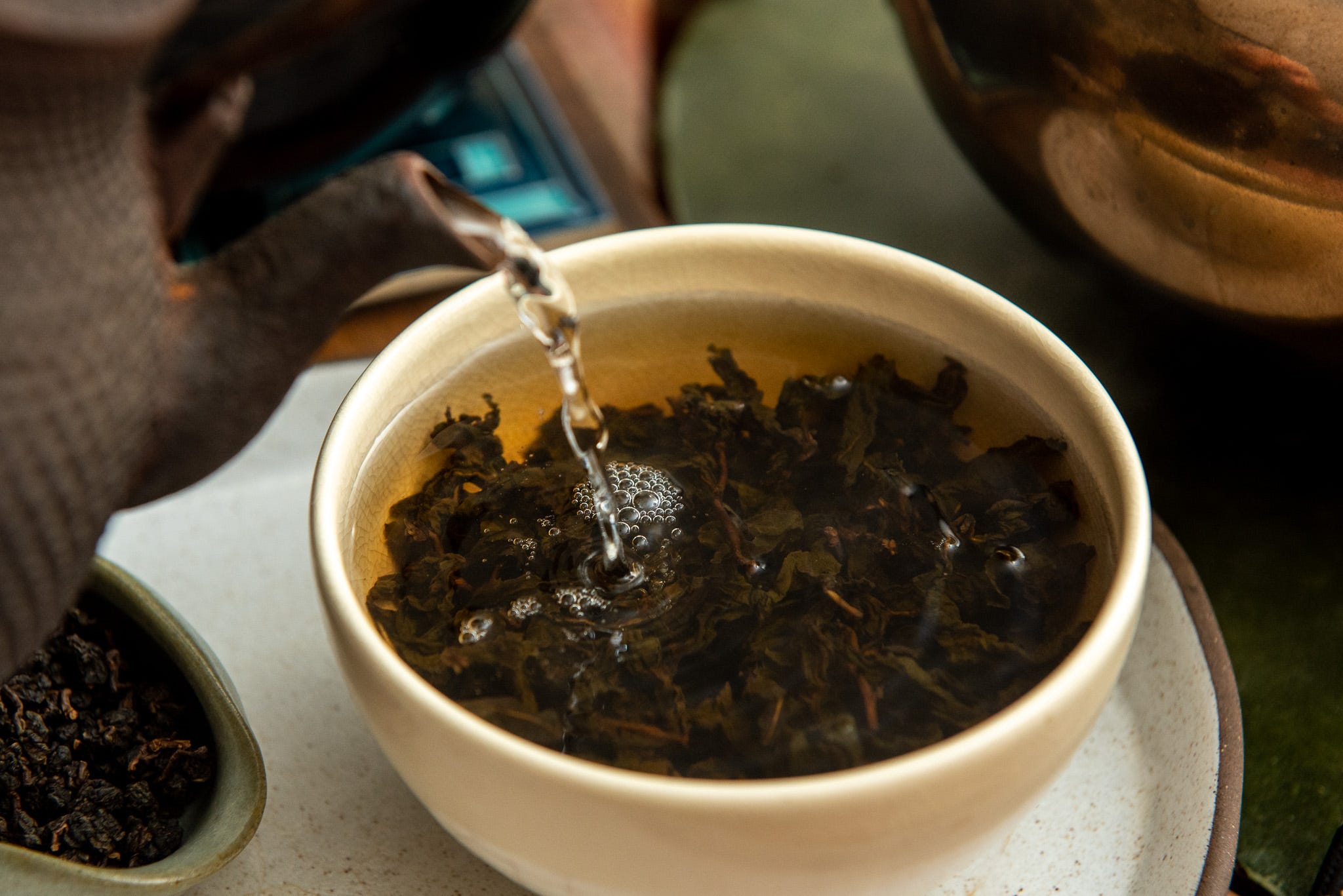
Instead, I boil water in clay and cast iron kettles that are heated by this portable ceramic burner. The experience is more peaceful. The kettles are nicer to hold. And I think they make tastier tea. Today I want to focus on the taste element and put my preconceived notions to the test. How does a kettle’s material affect the flavor of the water boiled inside, and how much does it matter? Let’s find out with some test subjects friends I roped in for a blind tasting.
Last week, I sent a cryptic text to my friends Natasha and Jacob asking if they could taste some water with me. Jacob and Natasha aren’t tea people, but they’re accomplished cooks with excellent palates—ideal guinea pigs who could evaluate the character of water without the tea nerd baggage.
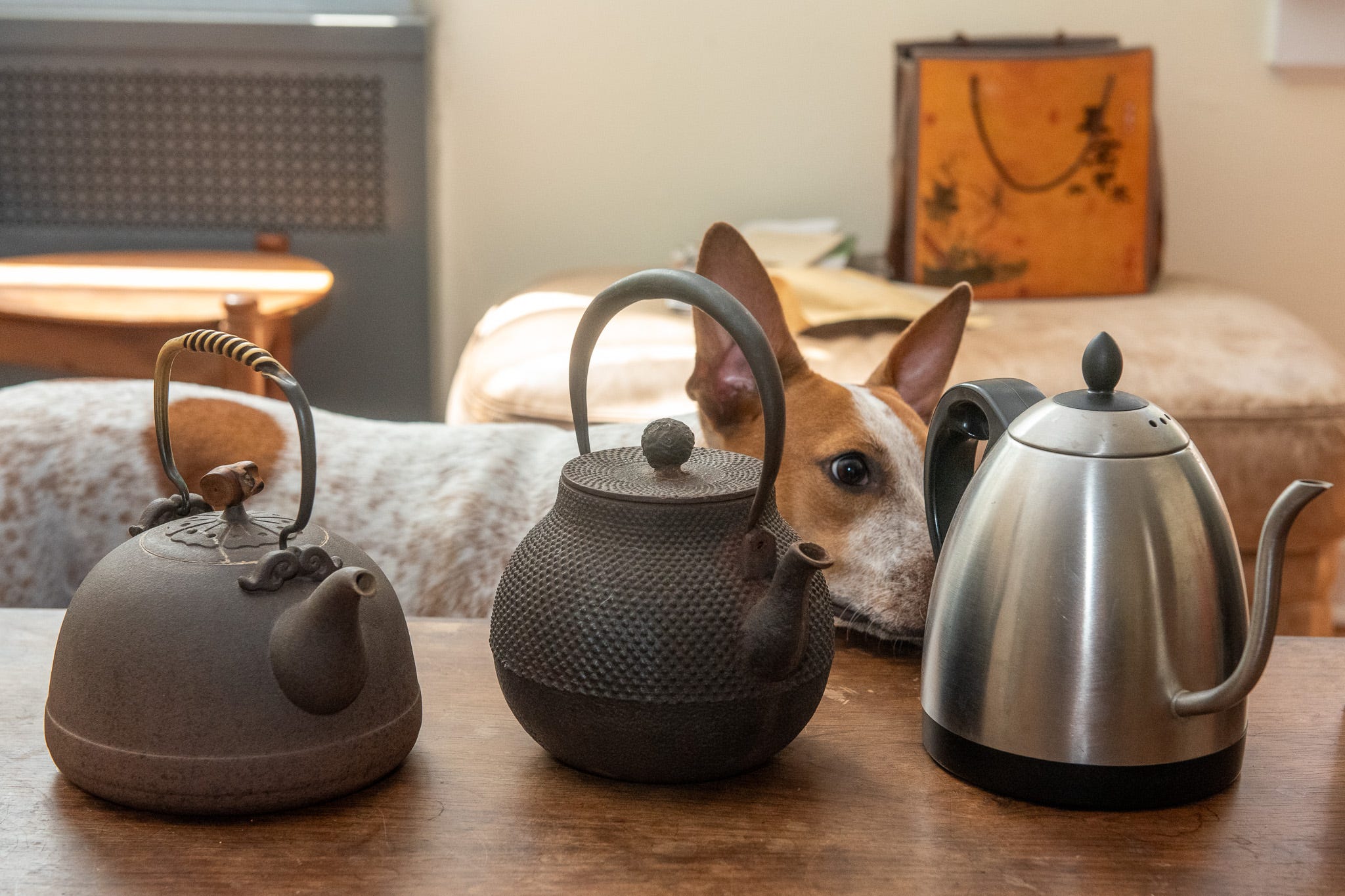
The contenders
Here are the kettles we considered:
