

Cupping isn't just for massage therapists
Fruity and floral wakoucha from Japan + how professionals evaluate new teas.

Japanese breakfast
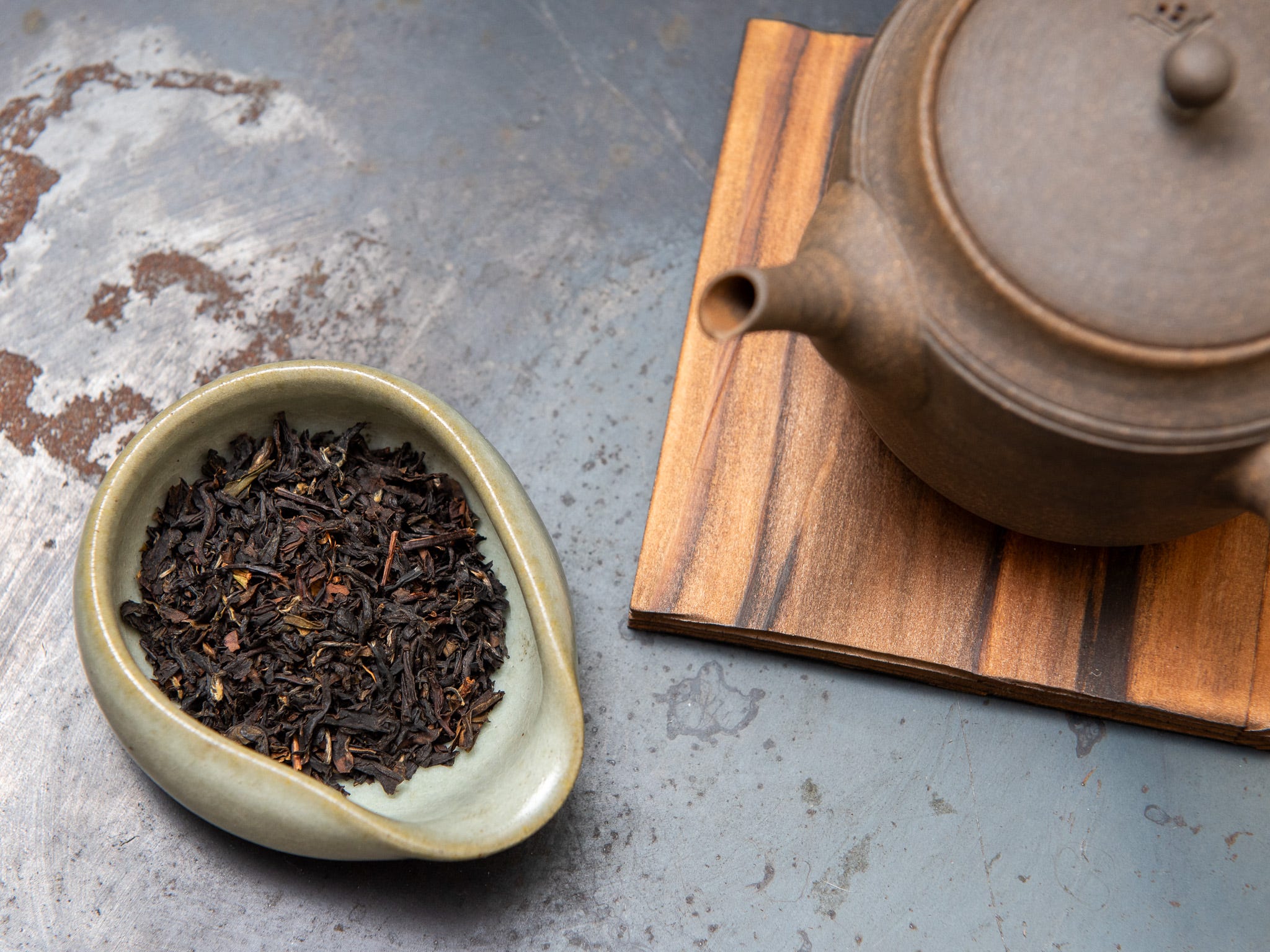
The tea: Fuji-kaori black tea, sold by The Steeping Room. $9.95 for 25g.
The more black teas I taste from Japan, the more I realize wakoucha isn’t just one thing. The local cultivars and processing methods give the teas a harmonized Japanese character, but different producers are all pulling their own levers. Some batches are mild to the point of inoffensive, while others hew closer to brisk orthodox teas with a mix of Darjeeling and Assam notes. Some wakoucha more closely resembles Chinese black tea styles with concentrated sweetness and strong resteeping potential. The taste of modern wakoucha is still being invented. It’s diverse and ambitious.
I’ll be covering this topic in more depth at my Japanese tea tasting later this week—there are still a couple seats available if you hurry. Today I want to talk about a wakoucha that’s closer to the Indian side of black tea, but lacks the malt and woodiness of other versions I’ve tried. It has the refreshing bitterness and astringency of a classic English breakfast coupled with intense fruity and floral flavors, as if it were infused with raspberry jam.

The source: The Steeping Room in Austin (see previous coverage here) gets this tea from Fujieda, a city in Shizuoka. There’s a local cultivar there called fuji-kaori that’s rarely grown outside the city. Fuji-kaori is known for vigorous growth in cold weather, a strong floral character, and notable bitterness and astringency, especially when made into green tea. As a black tea, those characteristics create a structured brew with tannic bite that cuts through significant sweetness. That makes it a great choice for adding milk if you swing that way. The Steeping Room has a wide selection of intriguing curiosities from the tea world and this rare cultivar is no exception.
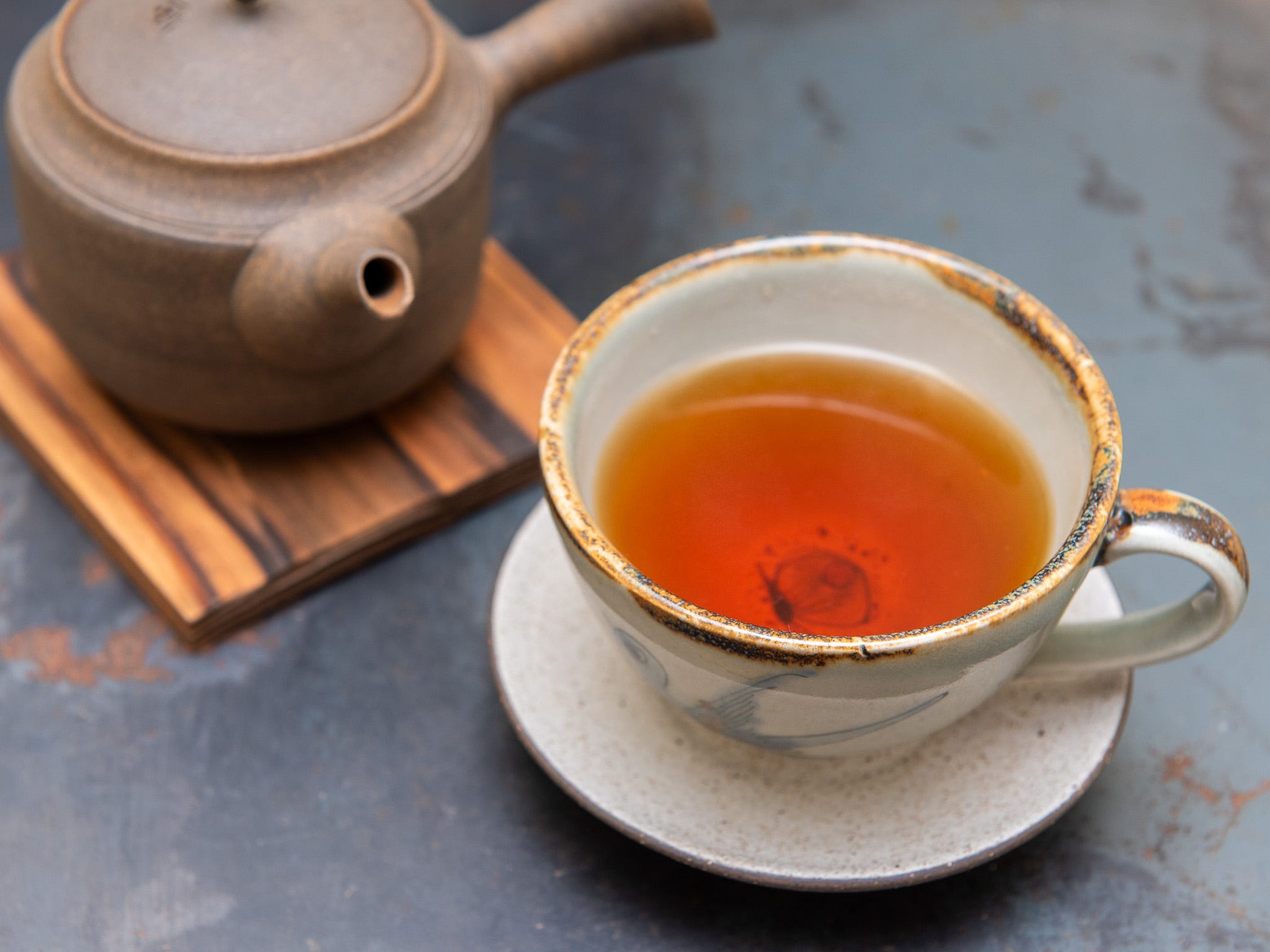
To brew: Steep this tea like an Assam with a relatively low dosage and longer brewing time. 3 grams is plenty for a 150 milliliter pot (1g/50ml) when infused for 90 seconds, though you could add another gram if you plan to use milk. It’s full bodied like an Assam but not malty. Instead there’s a lush berry sweetness and rich floral aftertaste with some toffee and wintergreen notes reminiscent of second flush Darjeeling. The astringency keeps it from tasting like a sugar bomb and makes me reach for another sip. You can get 3 to 4 nice pots from the leaves.
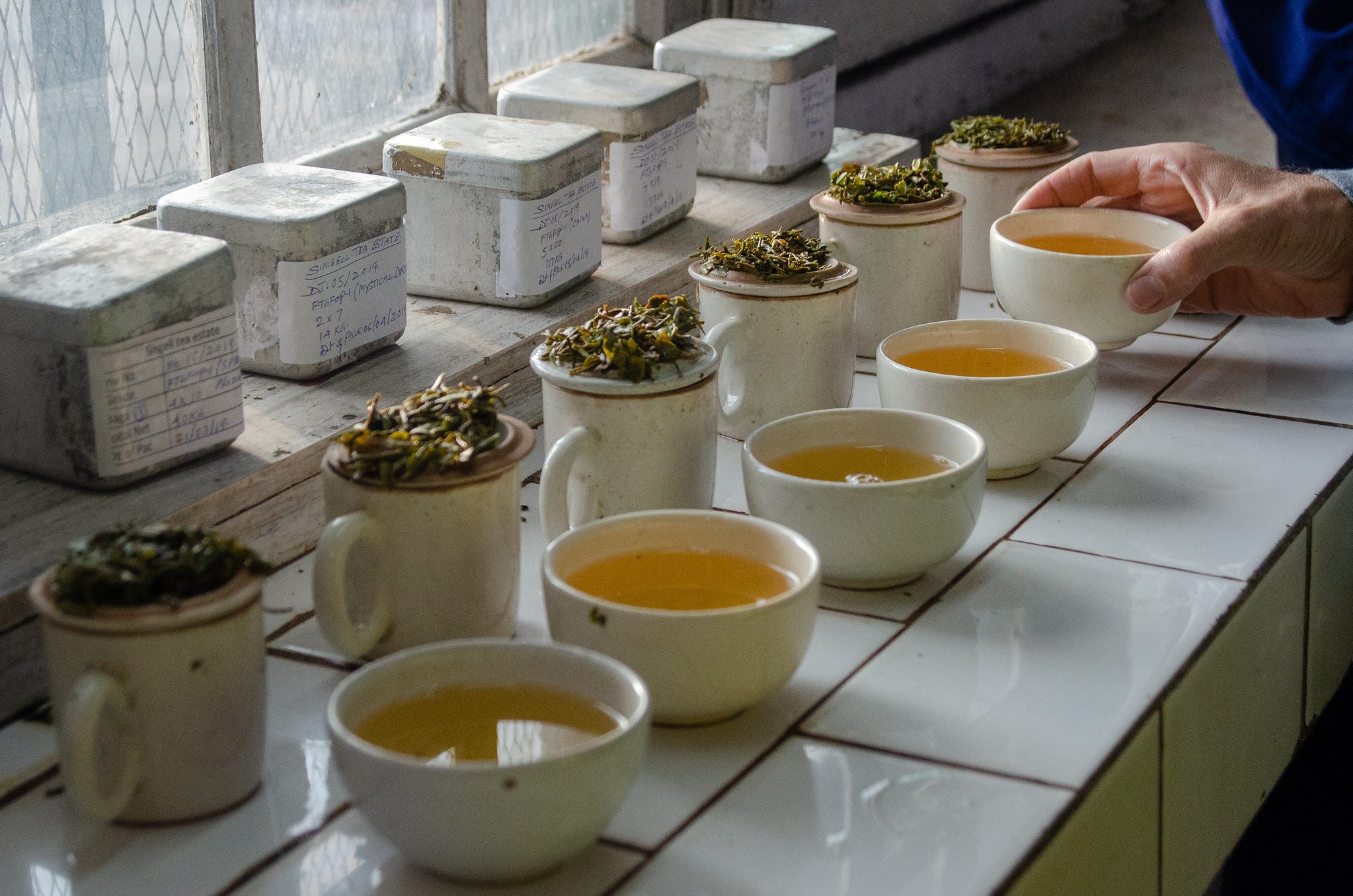
How to compare teas through cupping
When tea buyers and competition judges need to evaluate a bunch of teas all at once, they put them through a stress test. Cupping is a brewing method that puts similar teas on a level playing field. It’s not about making the best cup of tea, and in some ways it can intentionally mess up a brew so you can taste its flaws. But there’s no better way to compare characteristics like sweetness, aroma, and bitterness to see how a tea performs under duress.
I’ve had some interesting cupping experiences recently, so I wanted to share the process in more detail. A few weeks ago, Nina Cheng of Eastern Philosophy shared a set of GABA teas for a small group to compare. The lineup included a variety of styles—white, black, and oolong—from plants grown in different mineral substrates like volcanic soil and pumice. Even with a diverse set of teas, our cupping experience revealed attributes of each production that would have been hard to pinpoint if we brewed them one at a time. Later that week I partook in a cupping of 11 teas, this time all made in the same style. The goal was to see which of the productions—if any—were worth buying to sell. Here’s how we did it.
