

One tea, three harvests
Comparing a week of changes in a green tea.

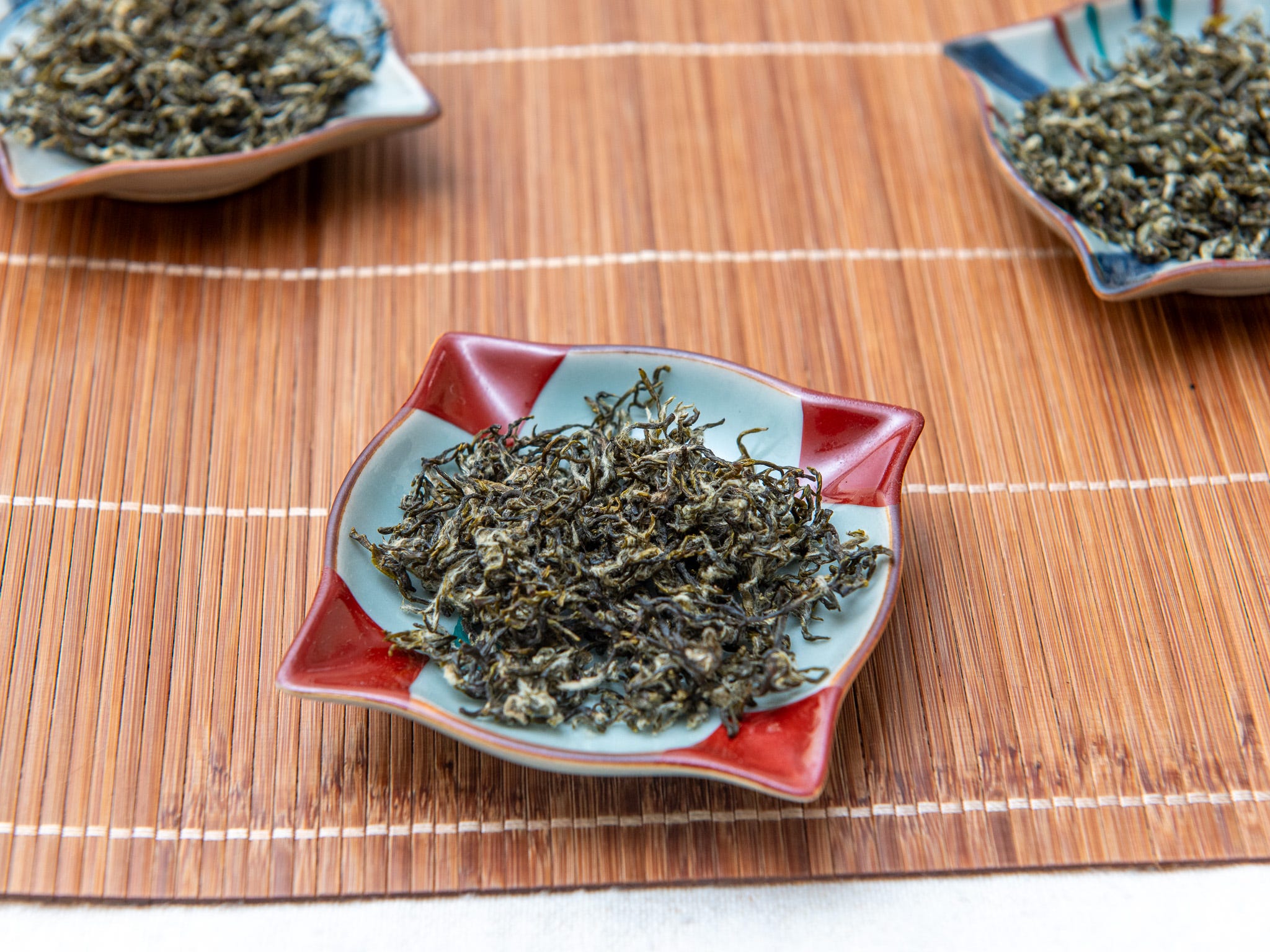
This week in bi luo chun
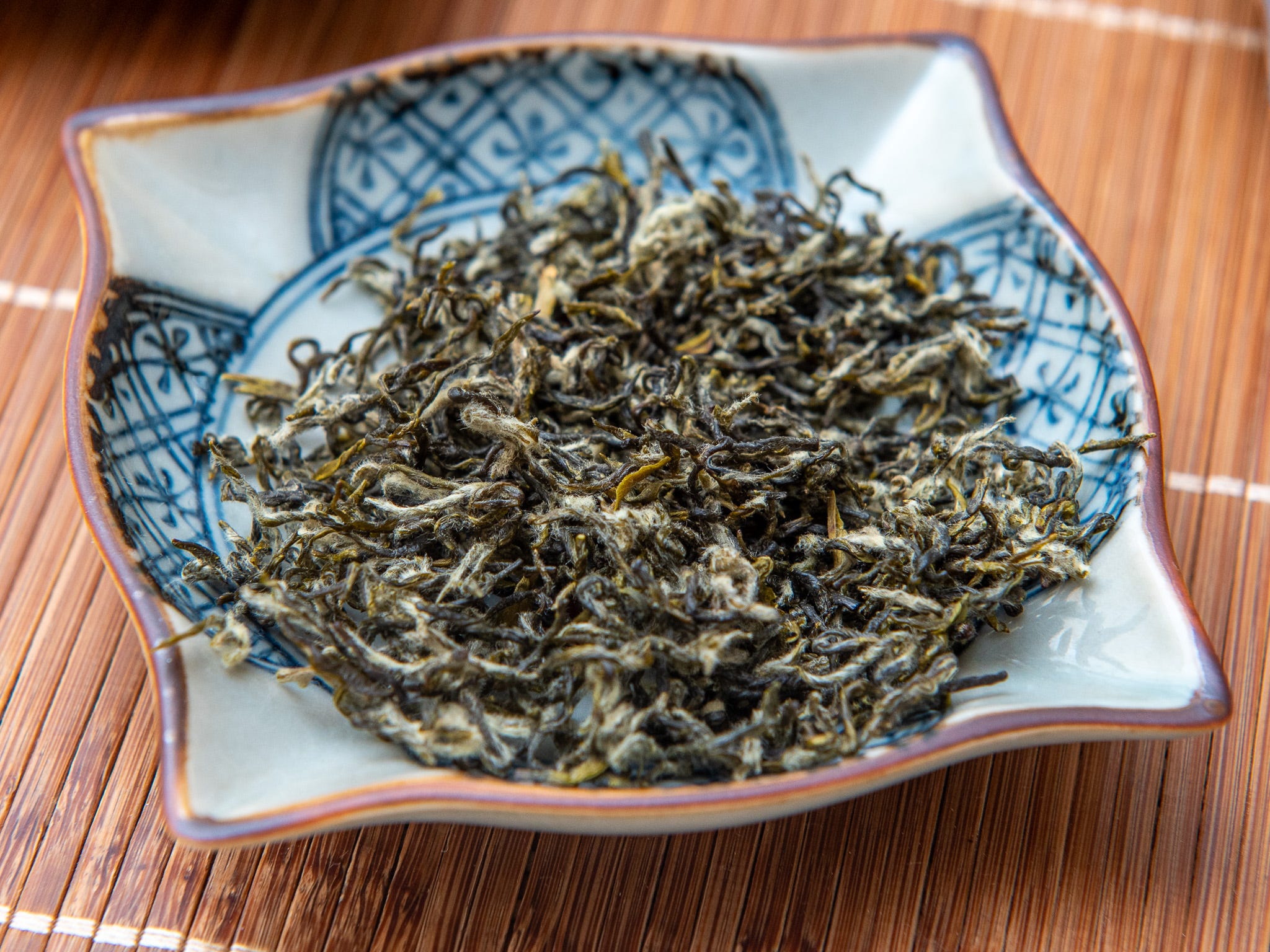
The tea: Heirloom varietal bi luo chun green tea, sold by The Sweetest Dew. $7 for 8g.
Green tea people (and really, green tea marketers) make a big deal about the quality of early harvests. Batches from the beginning of spring are said to be smoother, sweeter, and more fragrant, turning rougher and more astringent as the days get longer and warmer. Single day productions rarely make it to the American market, so drinkers like me are usually left to make sweeping assertions on this from scant data points, like comparing one early season tea with a similar batch that might have been picked a month or two later.
Fortunately, tea nerd Dylan Conroy of The Sweetest Dew has a new offering to help us get more granular.
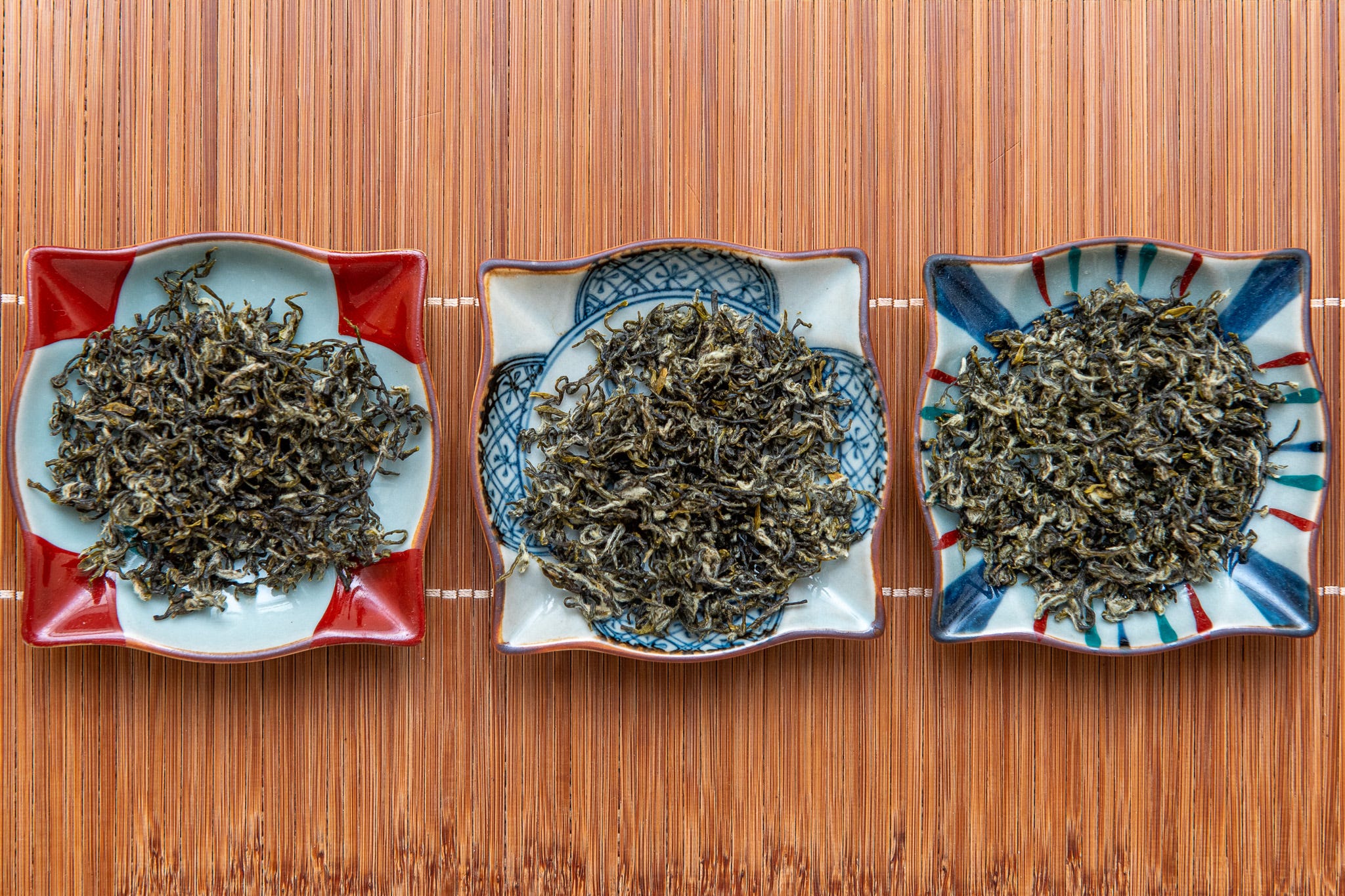
Conroy used to serve tea at New York’s (now online-only) Tea Drunk before relocating to China to continue his studies. He’s been selling his own tea for a few years now, focusing on green, white, and black styles from eastern China. One of his spring releases is an array of green teas made on five consecutive days, from April 1st to the 5th, and sold in individual batches. As of writing, three of those picking dates are still in stock. It’s a rare opportunity for Western consumers to learn how the taste of tea transforms—not just over a season, but from day to day.

The tea itself is bi luo chun (“green snail spring”), a popular Chinese style that ranks among the country’s most famous. I look forward to a Taiwanese bi luo chun harvest every spring as my house green tea. The classic Chinese version features smaller leaves with lots of buds coated in peach-fuzzy trichomes. Sweetest Dew sells the tea in units of 8 and 32 grams. Each 8-gram unit consists of two 4-gram single serving pouches. Chinese tea buyers love this kind of packaging.
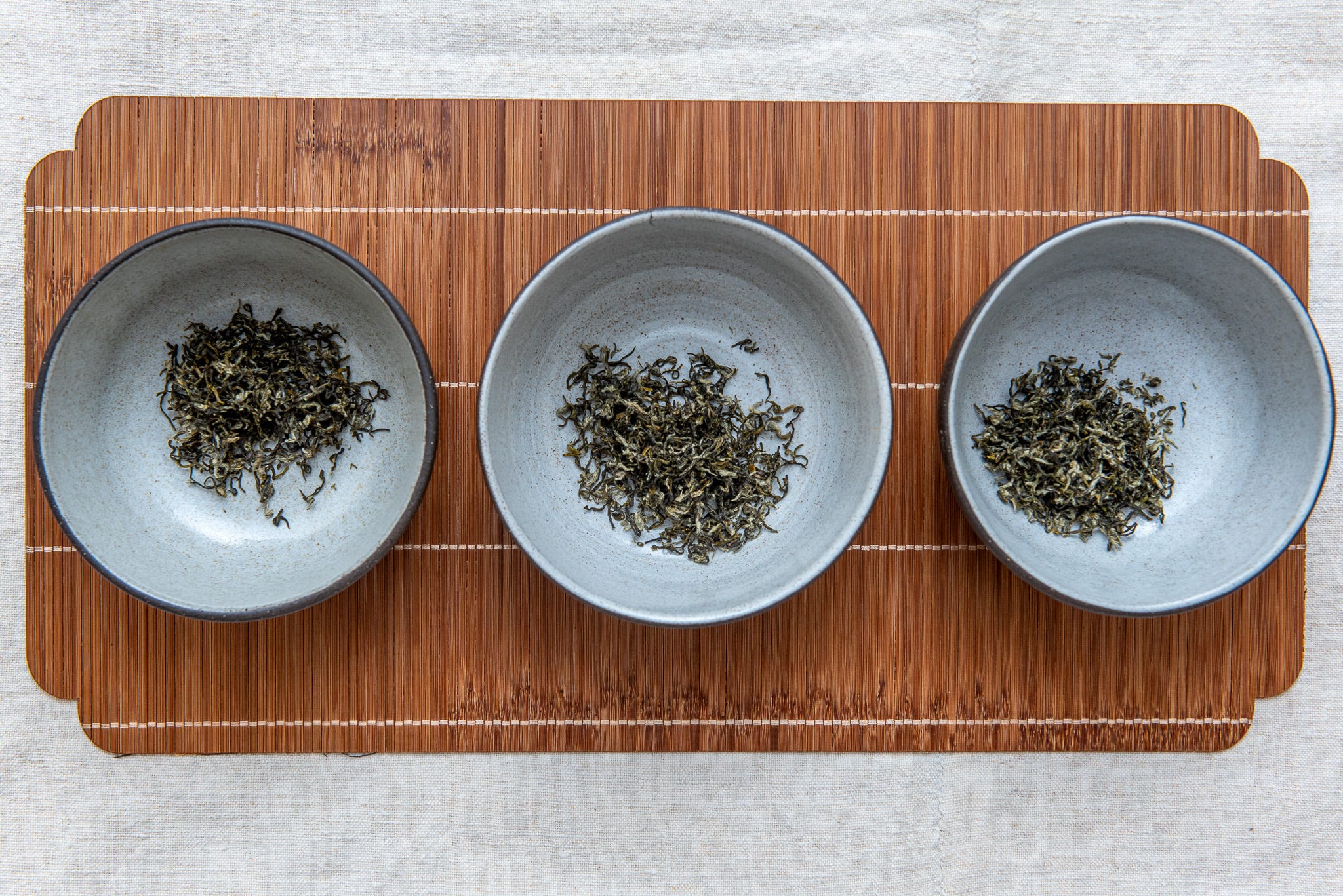
I bought three of the harvest dates: April 1st, 3rd, and 5th. I brewed the leaves in bowls using about 200 milliliters of ~195°F water and tasted them as they steeped. This is probably a higher dosage and hotter water than you’d want to try for regular drinking, but I wanted to stress the leaves to better assess their differences. Here are my notes on each batch.
April 1st: An expansive green aroma with pea shoot notes. The flavor is assertive and vegetal but not grassy or astringent. A smooth, lubricating texture with a refreshing, energizing finish. I liked this one a lot.
April 3rd: The aroma was flatter in this batch, less noticeable compared to the other two. It had a stronger flavor than April 1st with hints of butter and white flowers, similar to a high mountain oolong. There was some astringency in the finish. A balanced, pleasant tea.
April 5th: A surprising tingly, spicy aroma. The brew had the strongest flavor with walnut and green apple skin notes. Some potent astringency made for a rougher sip. My least favorite of the three, but I enjoyed the mouthwatering feeling it left behind.
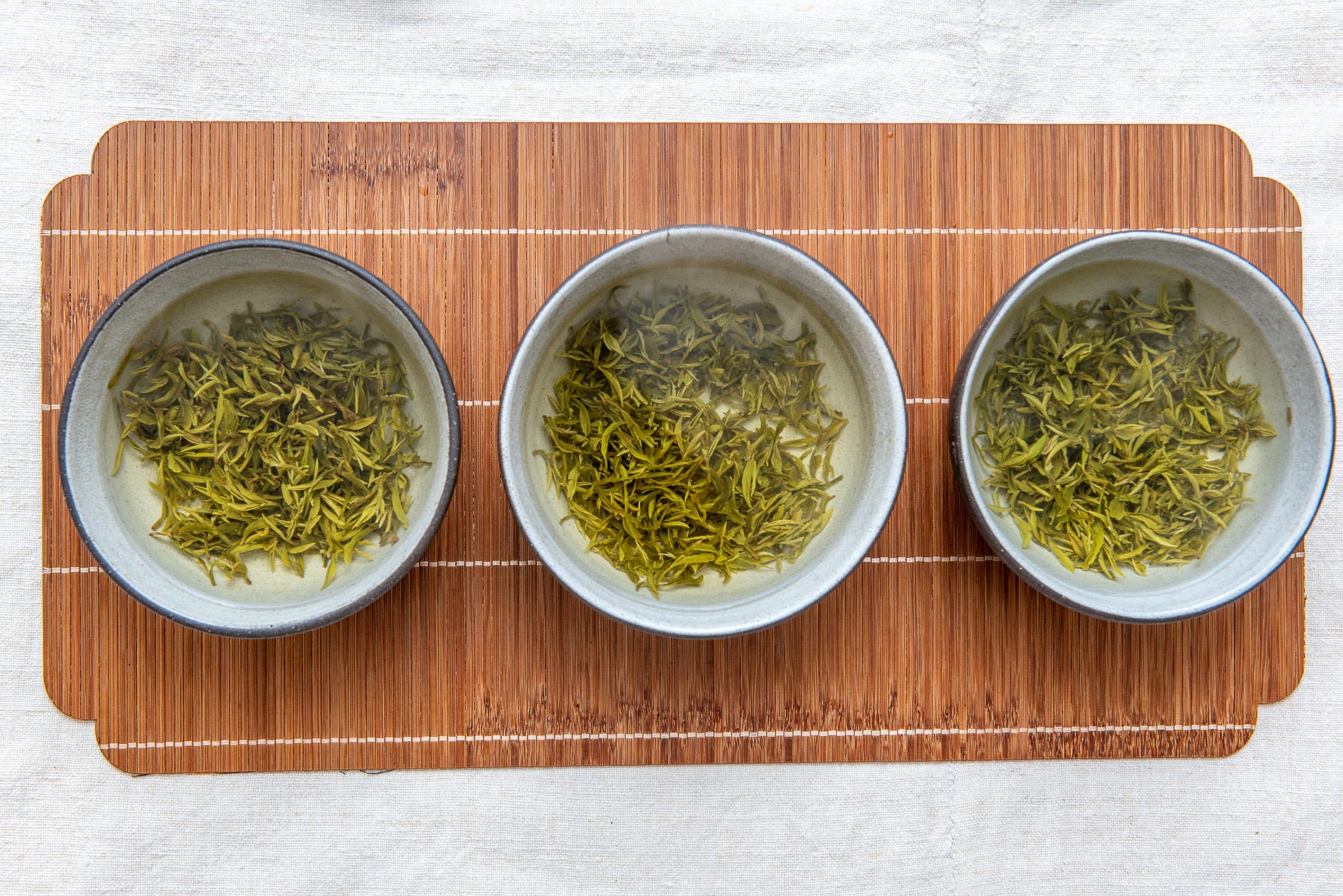
After trying the teas on their own, I started mixing brews to see how they’d taste together. A blend of all three was quite nice. My favorite of the lot—including the individual productions—was a blend of April 1st and April 3rd. Farmers, manufacturers, and wholesale buyers have to make these decisions about tea all the time, blending different harvests and origins to reach the right balance of character, price, and scale for their customers. Single-harvest productions like this bi luo chun are the exception.
What conclusions can we draw from this tasting? I’m hesitant to make broad claims or say that you should jump on the earliest picking date you should find. All three featured intricately curled young leaves that were plucked and processed well. The differences between these productions have less to do with quality or flaws than personal taste. Conroy notes that the April 5th batch is the fullest expression of the classic bi luo chun flavor, while I prefer my green teas soft and slippery.
Paid subscribers can read on to get my thoughts on what made these teas turn out the way they did, and how we can use that information to better inform our purchases.
Why does my green tea taste like that?
Last year I covered what you can learn about a tea from the look and feel of its dried leaves. Today I want to expand on those factors with a focus on what we can’t see: the environmental and processing conditions that shape the tea we drink.
Tea is a living art, and while each style has a broad “recipe,” the reality of growing and making tea presents dozens of decisions day by day. It’s important for producers to have a vision in their minds for how their tea should look, taste, and feel. It’s just as important for them to adapt to changing circumstances and work with the leaf to make the most of what nature offers them.
Using Sweetest Dew’s bi luo chun as our test case, here are some of the decisions that farmers make to develop their teas’ distinct flavors.
