

The world’s biggest tea brand can’t hold water
New private equity investments won’t fix Lipton’s fundamental flaws.

Today’s Leafhopper was commissioned by leaf lover subscribers. For $10 a month, you can vote on monthly story topics and shape the future of Leafhopper’s coverage. Voting for June begins later this week. Upgrade your subscription now to cast your vote while supporting this newsletter!

News broke last month that Lipton, one of the world’s largest tea conglomerates, got a €210 million investment from its private equity benefactors to refresh the company amid years of flagging sales. That’s a drop in the pot for Lipton’s €3.2 billion debt burden, though even if it weren’t, the windfall probably won’t do the company much good in the long term. Lipton blames declining revenue on consumer shifts away from black teas toward herbal and functional drinks, especially in markets like the United Kingdom. I think this is an excuse for a deeper problem with the brand: what reason has it given us to care about its tea?
Founded by Thomas Lipton in 1871, Lipton has come to define the multinational tea trade model that emerged in the wake of the Industrial Revolution. This system diverged from older frameworks on both the producer and consumer ends. Instead of buying plantation tea from auctions via brokers, Lipton scooped up struggling Sri Lankan estates “for a song,” packed their tea in branded boxes, and sold it directly to consumers in grocery stores, bypassing the costs of middlemen along the way. In the past, most Westerners bought their tea from a grocer who’d weigh out loose leaves from a bulk bin and wrap them in paper. Lipton’s packaged tea shifted the focus from the grocer and the leaves to a brand on the shelf. Instead of stopping at your trusted corner store for some Assam, you could reliably buy Lipton tea anywhere. As self-service grocery stores grew more popular through the turn of the century, the brand’s relationship with consumers only deepened.
But if your goal is endless capitalist expansion, relying on selling the tea you grow becomes a bottleneck. So despite his “garden direct” marketing claims, Lipton started quietly buying tea from brokers again, until the company’s plantations accounted for a minority its tea output. The Lipton corporation has continued in this way ever since. While it still owns some tea gardens, it mostly buys tea from regional farms and factories, which in turn buy fresh leaf from growers with tiny plots of land. Lipton claims to purchase 4% of the world’s tea leaves from over a million farmers in 30 countries.
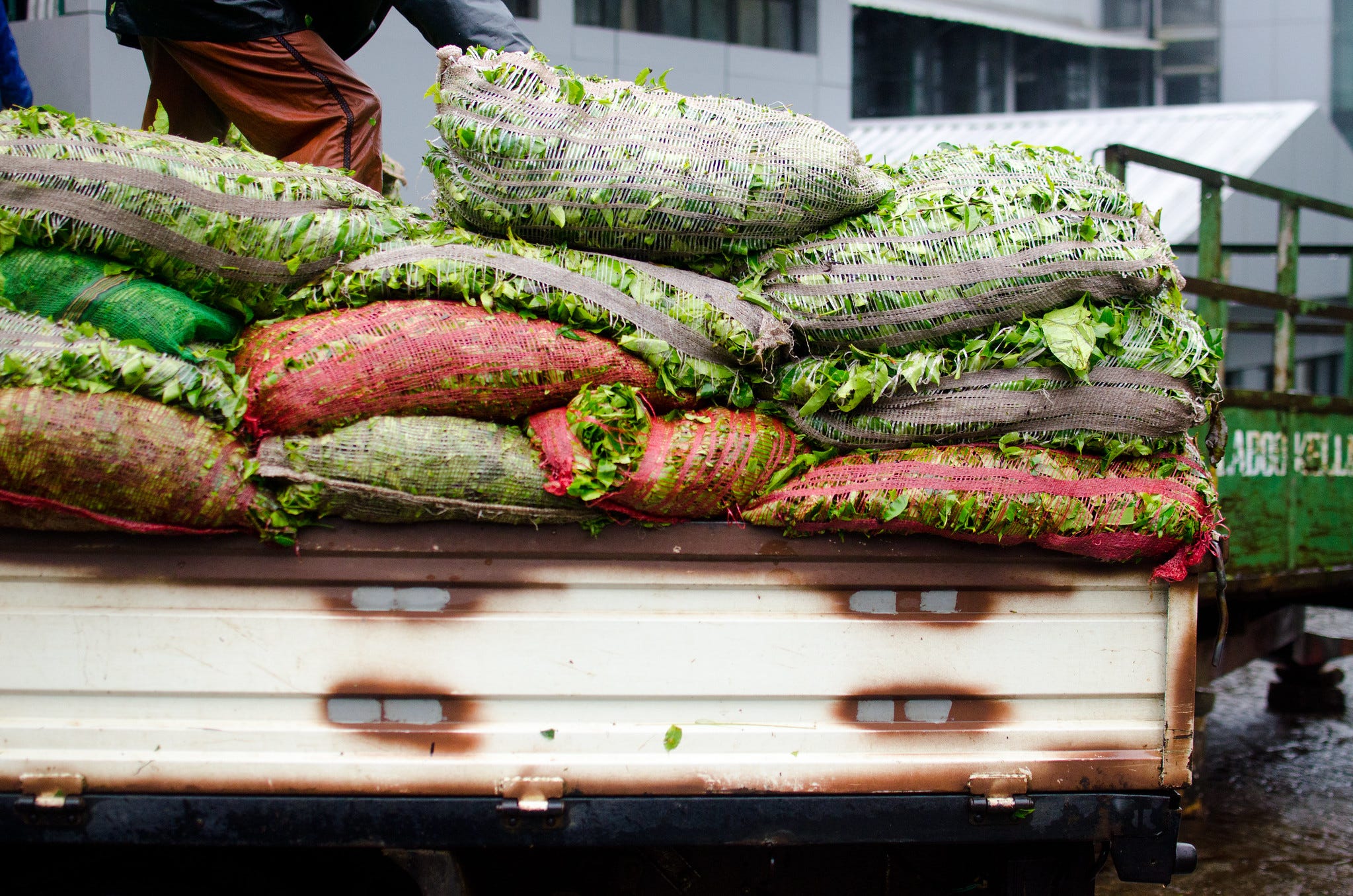
Lipton’s supply chain is opaque and sordid; human rights abuses, workplace safety negligence, child and sexual exploitation, and poverty wages are common. The ingenious part comes from consumers’ relationship to the Lipton brand rather than any given tea: Lipton is everywhere, yet nowhere. If a factory fails to meet standards, Lipton gets to claim plausible deniability and shift their purchasing to another source. Meanwhile, factories in Bangladesh, Kenya, and Uganda are forced to compete not just with their neighbors, but with others all over the world, encouraging a race to the bottom for both workers and production quality.
