

My new favorite tea brewer
And reviewing more teapots from my collection.

For those that live in glass houses
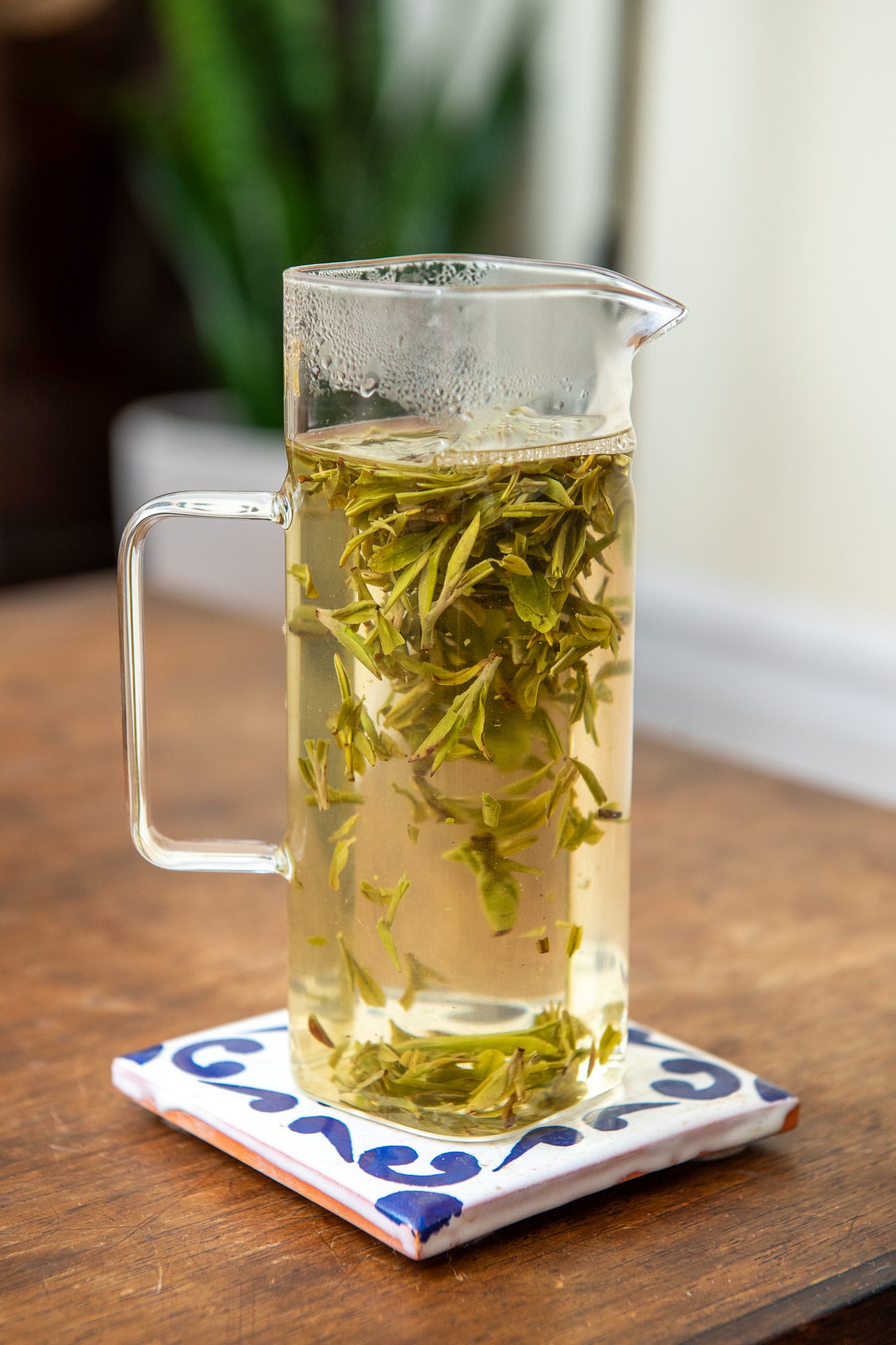
Something different this week: instead of highlighting a new tea, I want to talk about a teaware find from Japan that I’ve been enjoying of late. I neurotically packed and checked on the fragile glass vessel during each leg of my return trip home from Japan, and I’m glad I did. It’s become my daily go-to pot for casual drinking. I haven’t found a Western-facing seller for this exact item, but here are some that are pretty darn close.
It’s a borosilicate glass pitcher with a built-in filter that’s effectively a one-piece lidless teapot. Add loose leaves and water, watch the tea brew, then pour. A glass filter wall covers half the opening, letting brewed tea through while blocking large and fine tea particles. It’s easy to use, pleasingly lightweight, and the slender design looks elegant on the tea table. It’s nice to watch little tea leaves unfurl and expand, catching the aroma as you observe from above.
I divide teapots into two camps: those you fully decant and those that hold onto some tea for a long continuous brew. Small pots for gong fu brewing and “Western style” larger pots for orthodox black teas fall into that first category. You brew quickly, then empty the pot to keep the tea from tasting stewy.
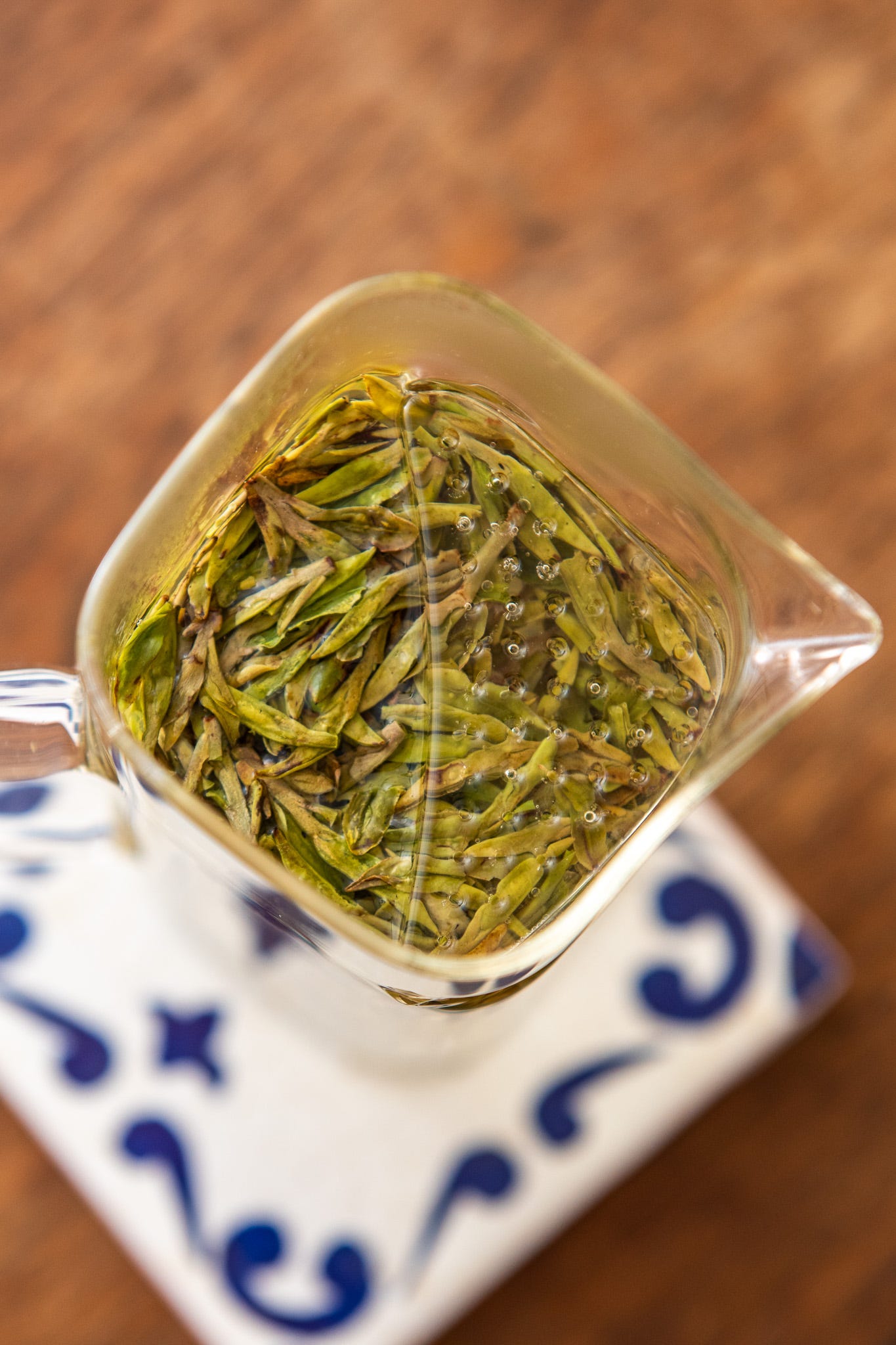
But not all tea tastes best this way. I generally find gong fu brewing to be a waste of time for subtle green teas, which are all about springy freshness without much variation from cup to cup. Good aged white teas don’t really oversteep; they just become deeper and sweeter with longer brews. Then there are all the times I want a simple brew to keep me sustained without much fuss. Rolled oolongs from Taiwan are great for this approach, and they’re what I typically drink while working. Mellow black teas from China and Taiwan are also good for this prolonged brew style as well. The internet has taken to calling this method lao ren cha, or “grandpa style tea.”
Previously I wrote about my vintage 1-liter teapot that keeps warm in an insulated bamboo basket. This pitcher serves a different need: when I want my tea to cool off quickly for faster cups and easygoing steeping. If I really want to cool down my water, I slowly pour it on top of the glass filter. The water slowly drips through the filter, reaching perfect green and white tea brewing temperatures by the time it hits the bottom.
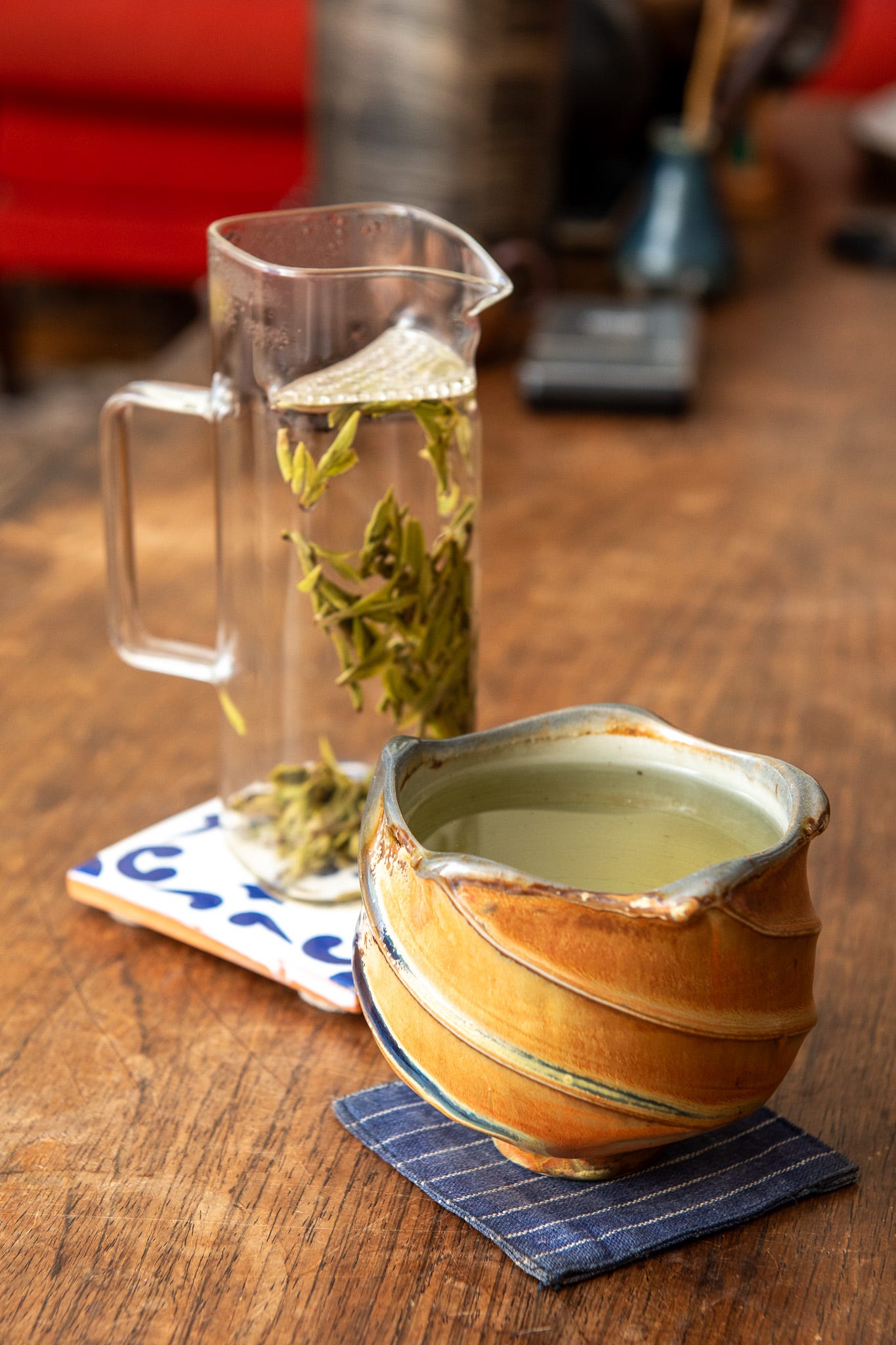
There’s a mug version of this filter design called The Wall that’s been on the Western market for a while. That’s a good tool too, and I appreciate that they offer righty and lefty versions. This pitcher, though, is just right for me. It helps that I have a new cup from the potter Dwayne Sackey with a perfect matching capacity.
Check out AliExpress and Yunnan Sourcing for similar designs.
Reviewing more teapot purchases
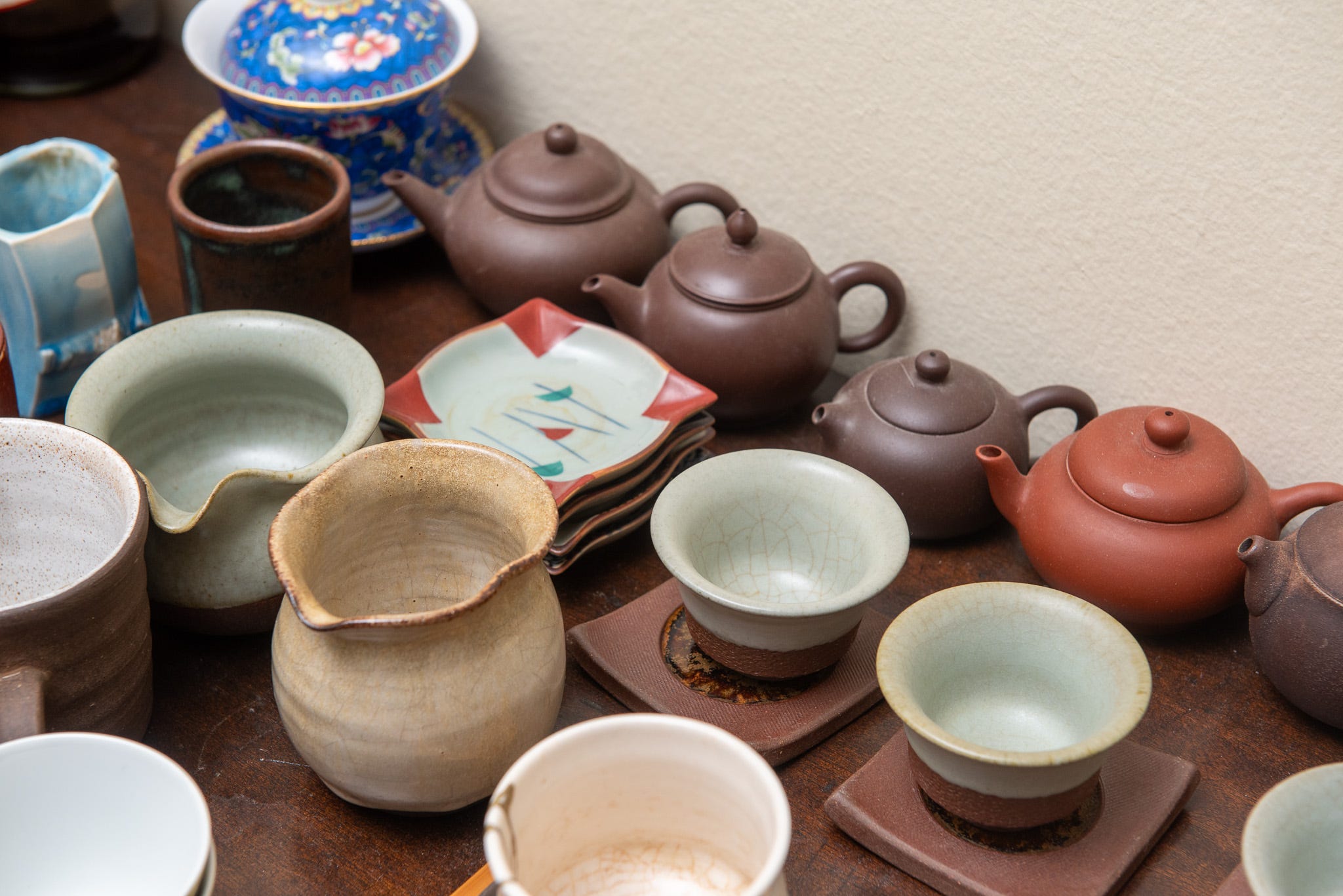
Paid subscribers enjoyed my December review of 2025’s teapot purchases, so let’s go back further and examine the other pots on my shelf. I currently have 13 brewing vessels in my collection, including that spiffy new glass pitcher. About five of them see regular use. Here’s what I think of them all.

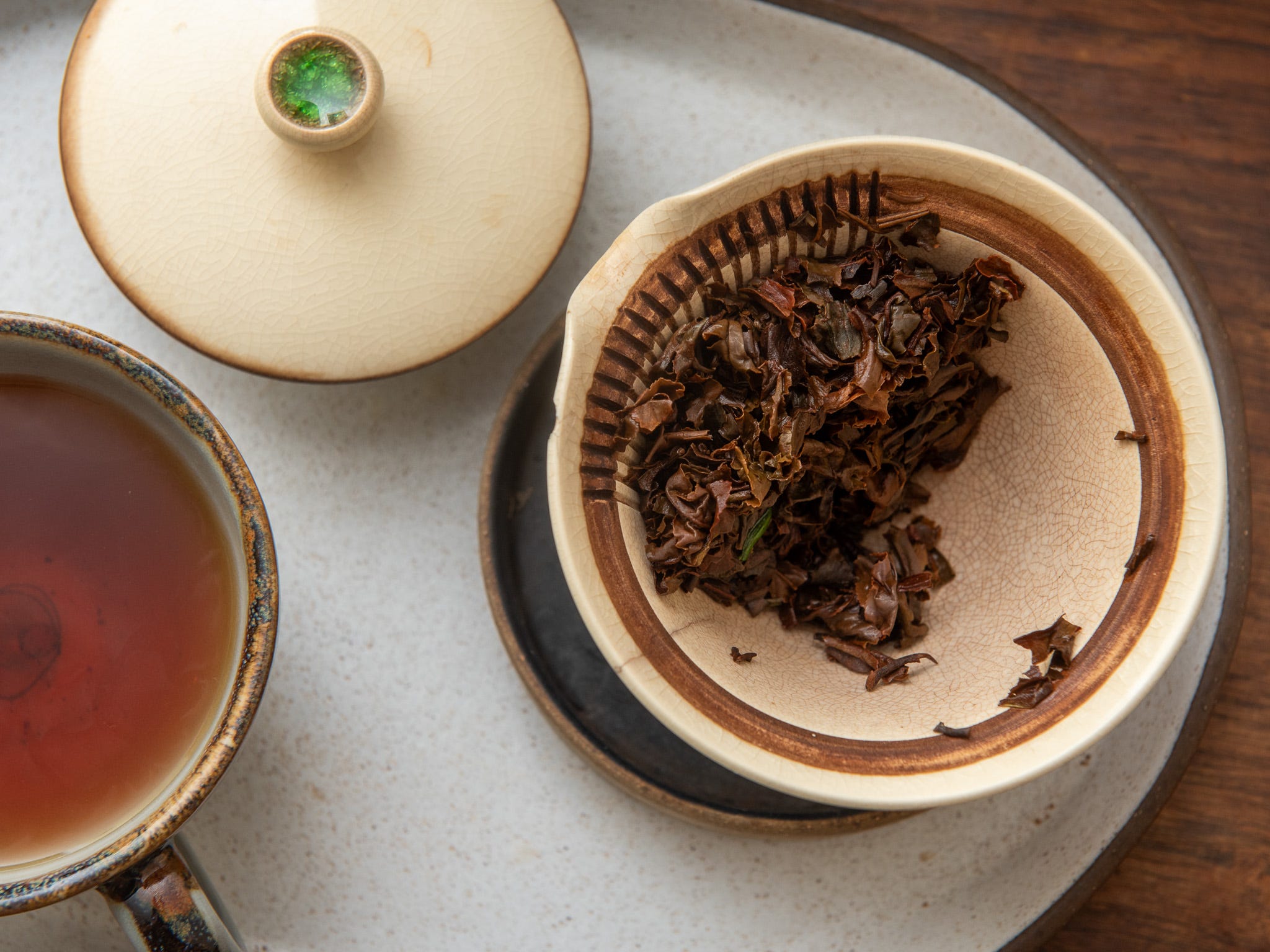
This shiboridashi is a frequent flyer in Leafhopper photos. It was made by the Japanese potter Sawa Houzan and I bought it from Yunomi 10 years ago to use at my office job. I don’t think the potter makes these anymore, but you can still find a few from other vendors. I love it. The 150 milliliter volume is great for a few brews of a solo cup and the inset grooves filter tea well. I actually have two of these: one with a green accent on the lid and another with a spot of blue. I think it’s worth it to have two pots of the same volume and materials for brewing comparisons. Both have suffered from chips and cracks yet they soldier on as reliable pots.
A shiboridashi (the word shiboru means to wring out, like straining tea leaves) is more or less a Japanese version of a gaiwan. Some, like mine, are tall; others are squat. Some have pour spouts and others use a round rim. There are glazed and unglazed variations. They all pair a lid with grooves on the pouring end to act as a filter. If I had to pick a single stylish pot to use for all looseleaf brewing, it’d be a shiboridashi.
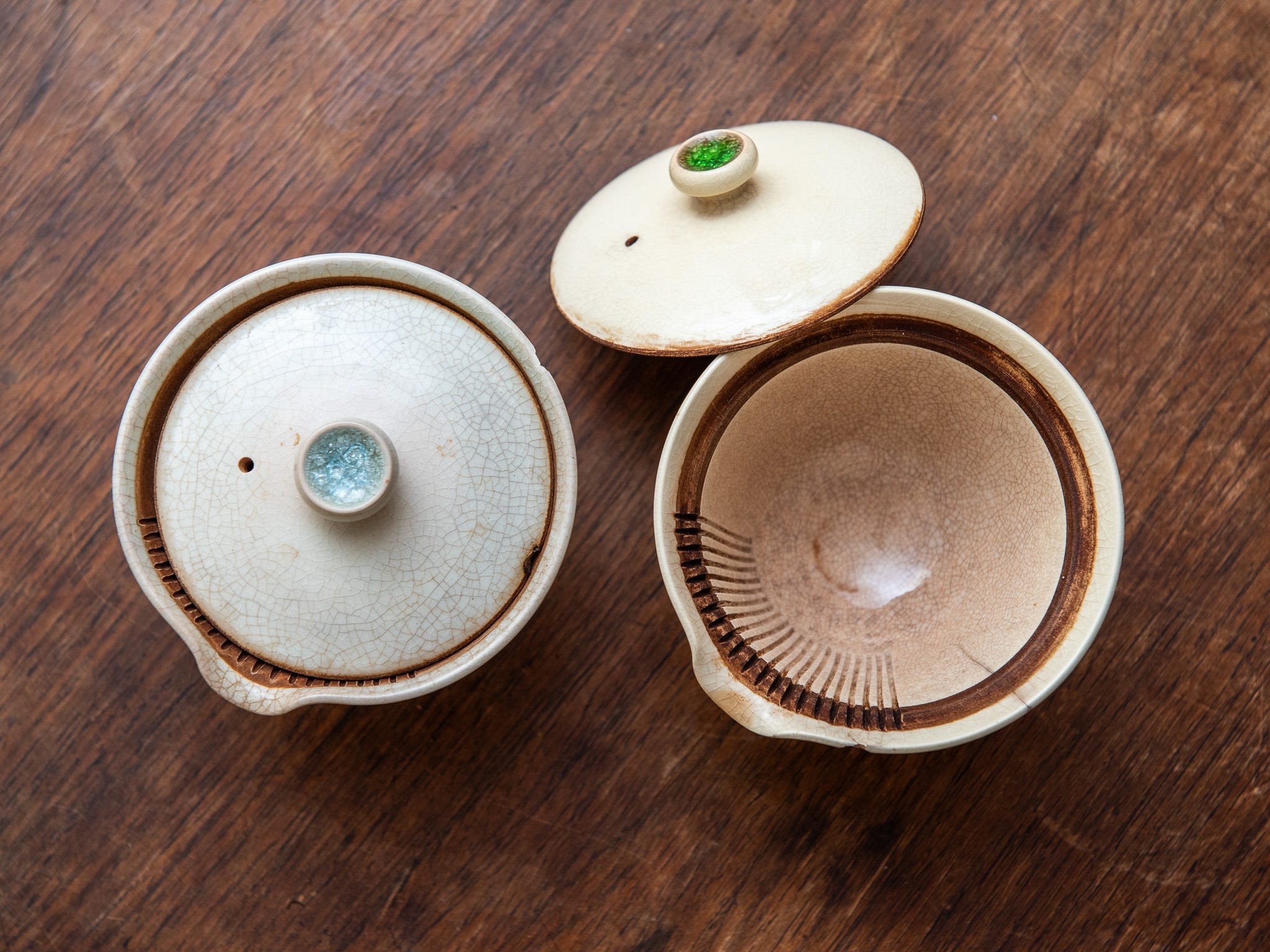
A few key aspects of this design that I like: The ring of unglazed clay on the rim provides a grippy surface for the lid to hug when pouring. If you pour too quickly or at too steep an angle, the pot overflows and drips. This is a plus for me as it forces slow, deliberate pouring that doesn’t disturb the leaves inside. And the finishing glaze has crackled crazing effect that absorbs tea over time, forming unique staining patterns.
