

You have to ask nice for the foot-rolled tea
Body techniques of an indigenous Indian brew.

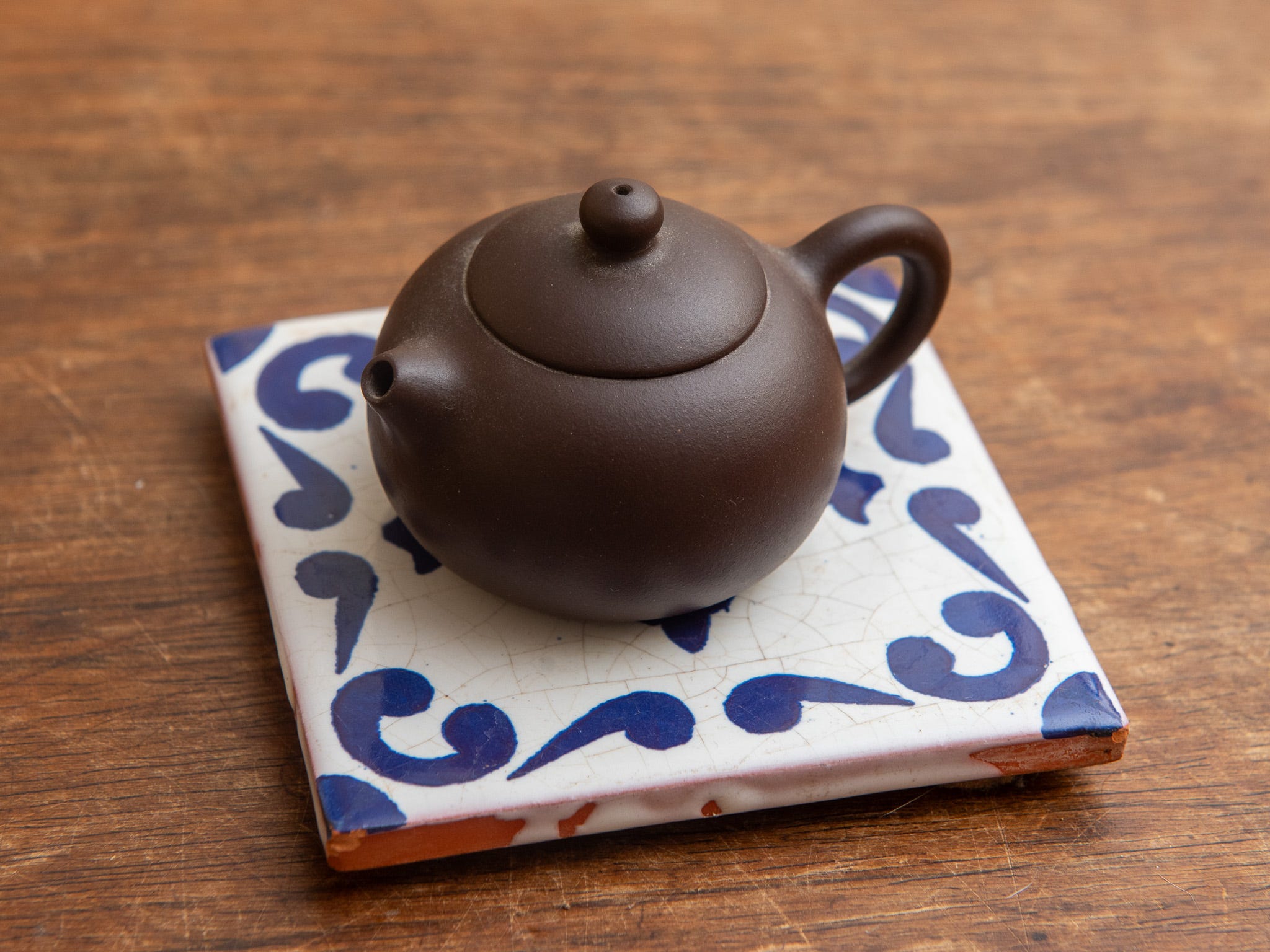
I need to make space on my teaware shelf, so it’s time for another teapot giveaway! To enter, “like” this post by clicking the heart icon by Thursday, December 18th. I’ll select a winner at random and contact them by email for shipping details. Please note you’ll have 48 hours to respond to my message before I move on to another randomly selected winner. I bought this mass produced pot in Singapore for about $40. It’s nothing special but it has a fast pour, good lid fit, and seems to do well with heicha. There’s a ceramic ball filter and the functional volume is approximately 70 milliliters, which is good for solo gong fu tea sessions.
A folk tea full of surprises
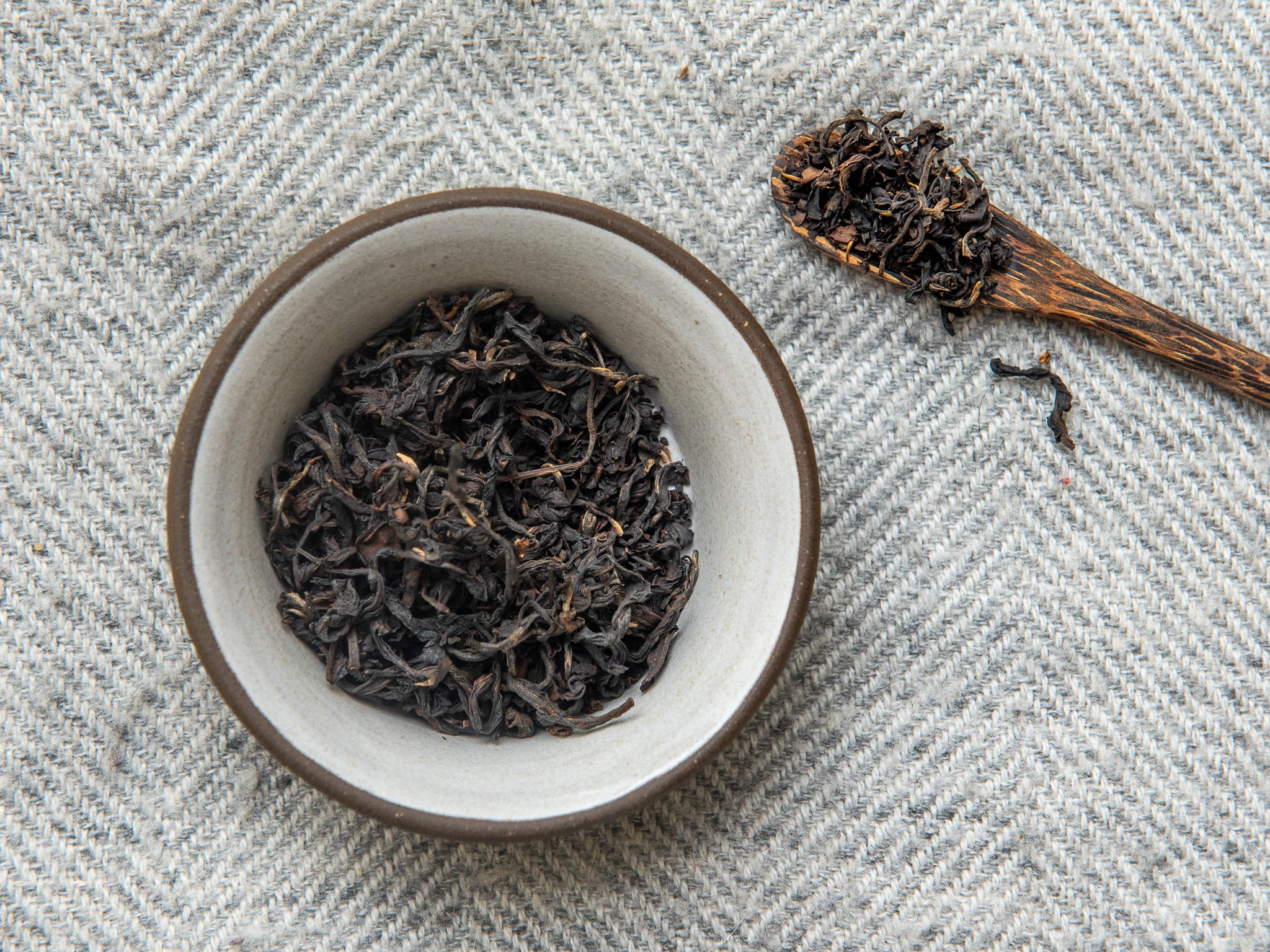
The tea: Mirem Valley indigenous foot-rolled black tea, sold by Herbs & Kettles. $18 for 30g.
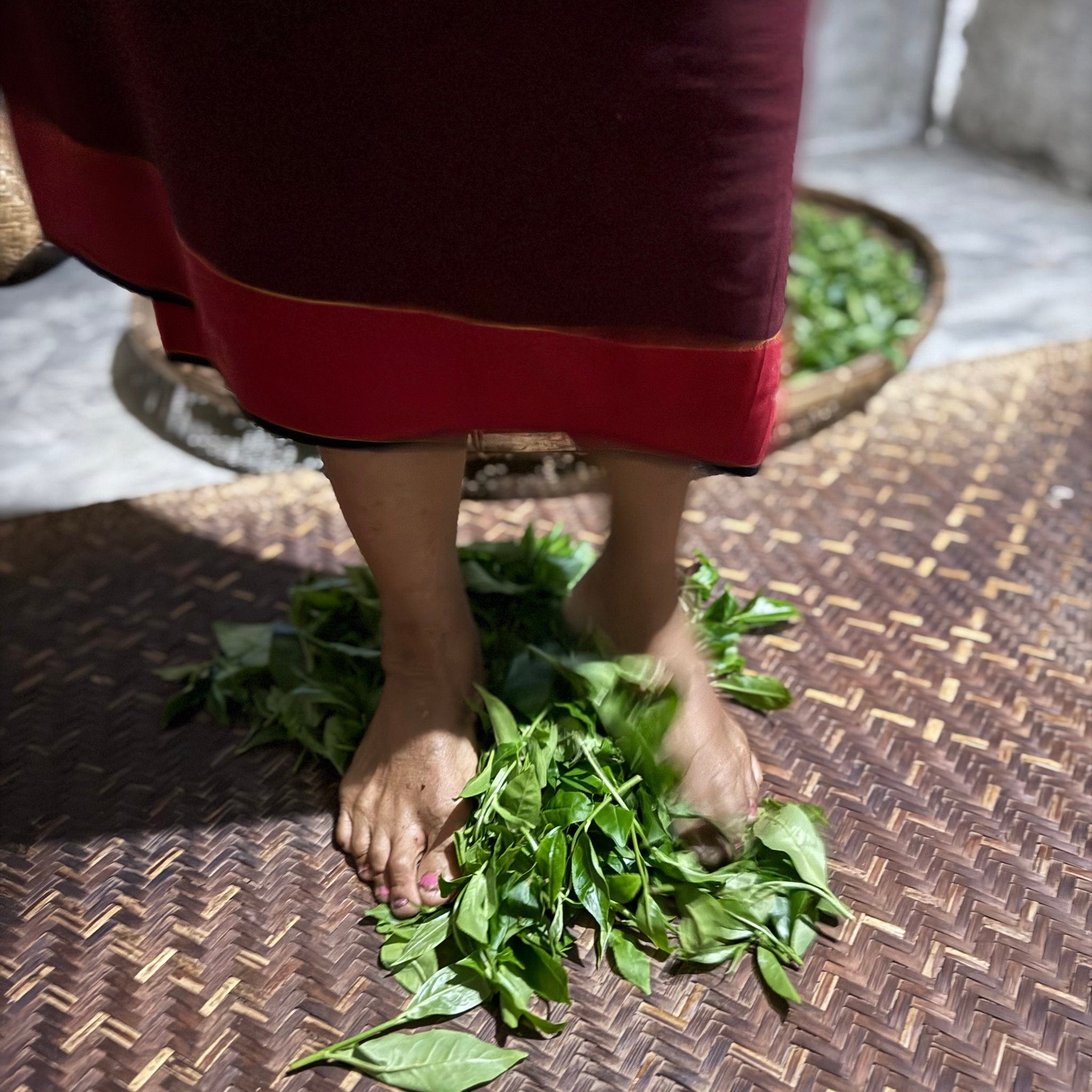
Before the days of rolling machines, tea makers relied on manual methods to bruise and oxidize fresh leaves, and they didn’t just use their hands. The practice of foot rolling tea is likely as old as the act of stomping grapes to make wine. There are seniors in Taiwan and China who were alive when this method was still commonplace. Deep in Arunachal Pradesh’s Mirem Valley, a few village elders keep it going to this day, even as their children and grandchildren opt for hand rolling techniques that are favored by the local market.
This black tea is a folk craft made for home consumption and local sale by an indigenous community in the region. It’s rare for such teas to travel overseas, so this is a lucky find. The rustic broken leaves hide a surprising depth of flavor: potent notes of wine, oak, and cocoa with a long mineral finish similar to a good lapsang souchong. To borrow a bit of wine speak, the brew has a foxy aroma redolent of ripe Concord grapes that you can find in some Darjeelings. Let the aftertaste sit in your mouth for a while once you’ve drained your cup. The tea keeps giving long after it’s gone.

The source: Herbs & Kettles is an American company that specializes in unique offbeat specialty teas from India. I’ve written about their indigenous smoked Naga khalap before as well as their kitschy boba chai kit. Co-owner Poorvi Chordia had to lay on the charm with village elders to convince them to make her a batch of foot-rolled tea the way they used to, before hand rolling became the default. That’s what customers prefer. They feel it’s more sanitary, the elders say, though this is based on vibes more than any food safety science. Your feet can get just as clean as your hands with proper washing, and there’s plenty of tea out there made with less-than-pristine hands.
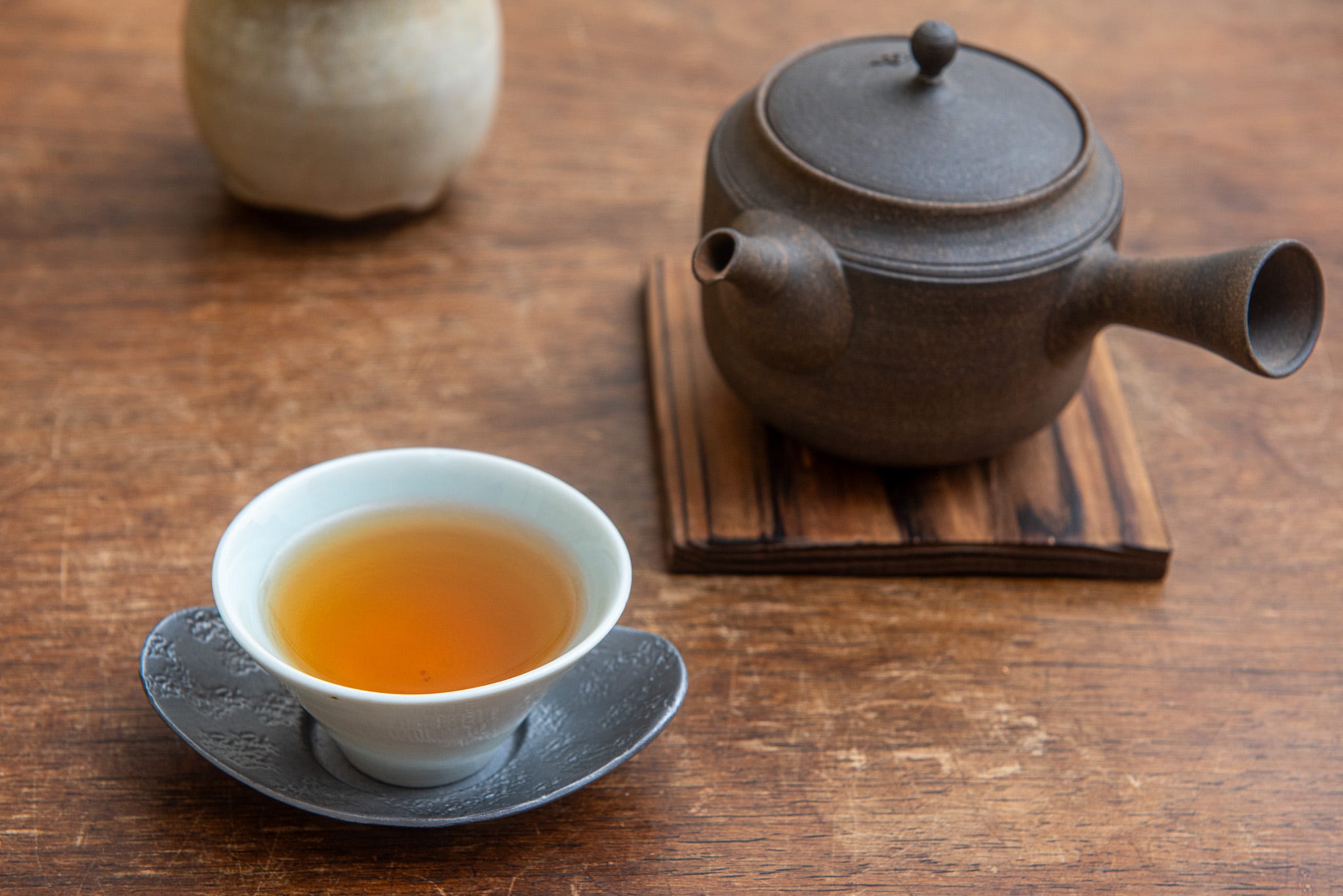
To brew: It’s worth taking your time with this one. The tea easily lasts 4 to 5 steeps and you’ll want to taste all of them. However it can turn astringent with overbrewing, so watch your dosage. I’ve settled on 4 grams of leaf in a 150 milliliter pot (~1g/37ml) brewed with boiling water for 1 minute. Beneath the wine and chocolate I taste hints of plum and spice, suggesting some hypothetical holiday cake that is at once opulent and refined. Fans of Wuyi yancha will enjoy the yan yun (“rock rhyme”), a persistent mouthwatering effect supported by a vibrant aroma and lasting aftertaste that’s not easy to coax from a tea leaf.
Tea shaping shapes tea culture
I try to focus on flavor first when recommending teas for Leafhopper. The tale of a production may be interesting, but that won’t mean much if doesn’t taste great in the cup. Today’s tea succeeds on both counts, so let’s talk about where it comes from and how it was made.
Poorvi Chordia and her husband Abe want to celebrate the diversity of Indian artisan teas while expanding the regions typically associated with good brews. They seek out indigenous styles like khalap and forest-grown foraged teas from Manipur. So when Chordia’s contact at the Donyi Polo estate in Arunachal Pradesh told her about a village that still made foot-rolled tea the old fashioned way, she knew she had to pay a visit. This is the story of a tea that’s rooted in the past and enhanced by modern technology. Its tale shows how the ways we shape tea shape us in turn.
