

Finding the good in the bad
And what to do about the bad in the good.

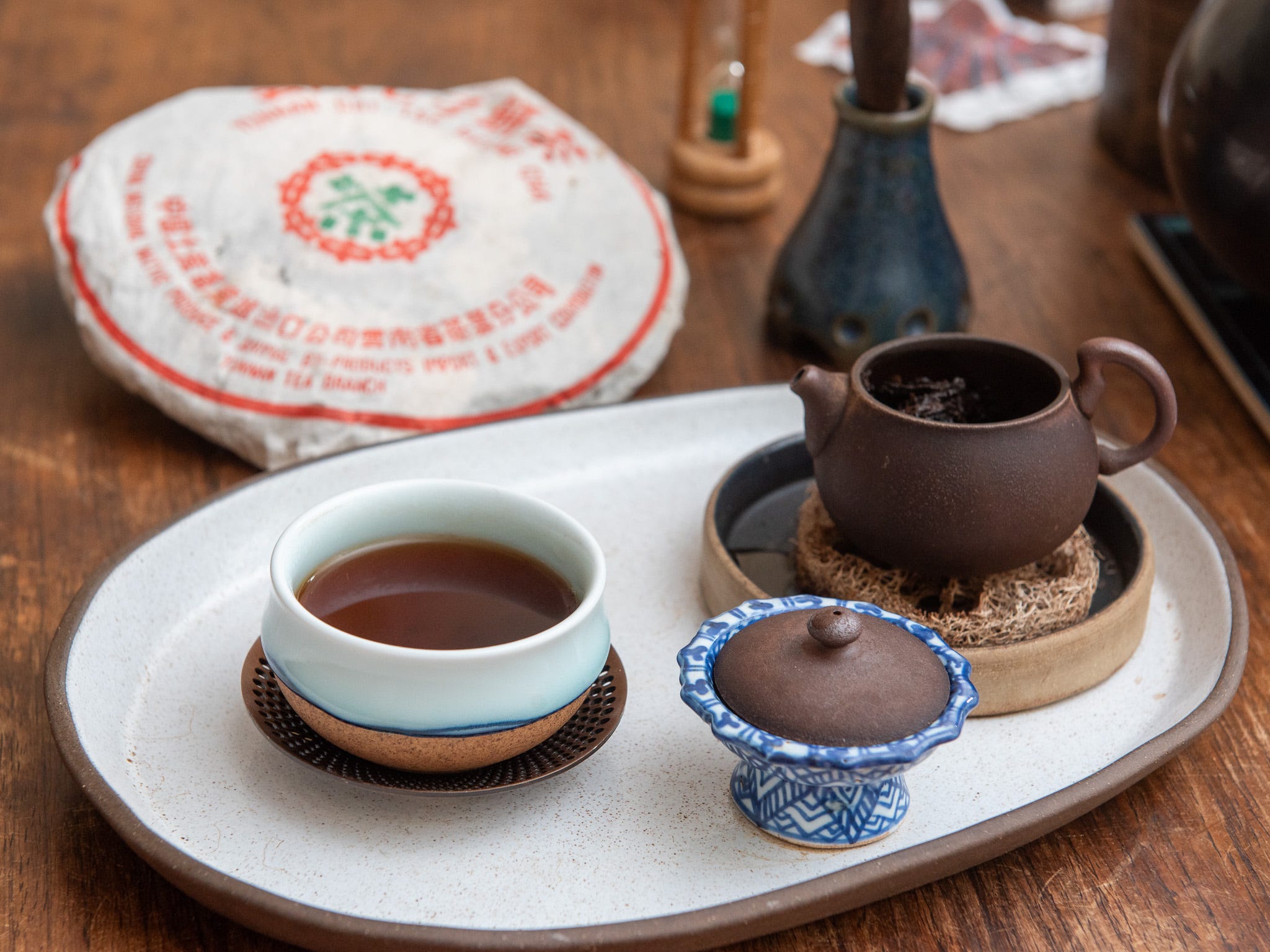
After a busy Saturday out and about, I settled down at home with one of my comfort teas, an aged 8582 puer from Yee On Tea in Hong Kong. I sipped a few cups and realized that the tea wasn’t hitting right. The earthy ginger flavor was there, but the texture of the brew lacked the rich thickness that I wanted. This is an impromptu story idea, and given the subject matter I think it’s best not to pair it with a spotlight on an individual brand’s tea, so today’s Leafhopper deep dive is free for all subscribers.
I was curious if this was a tea problem or a me problem, so after I finished my session I started brewing my reliably excellent Wistaria Hongyin, another puer from the same time period. It was thick and silky even in late steeps when the main flavors had faded. Maybe I flaked off a less tasty portion of leaves in my 8582 cake, or my brewing was off, or the tea wasn’t as thick as I thought it was. The 8582 blend favors mature leaves that carry dark notes and a mellow character, sometimes at the expense of mouth-coating viscosity.

Tea nerds readily debate the flaws and merits of a given tea, but I see less discussion about what to do when you already own one. Some purchases are chalked up to “tuition,” or a bad tea experience that winds up teaching you something at the expense of a sunk cost. I’ve bought—and tossed or given away—my share of tuition teas. However there’s more nuance than whether a tea is good or not. Most food and drink is an imperfect miracle: amazing that we learned how to grow and make it at all, yet bound by the circumstances of its production. You don’t give up on a bushel of tomatoes because they’re not quite as sweet as last year’s. The same goes for your tea.
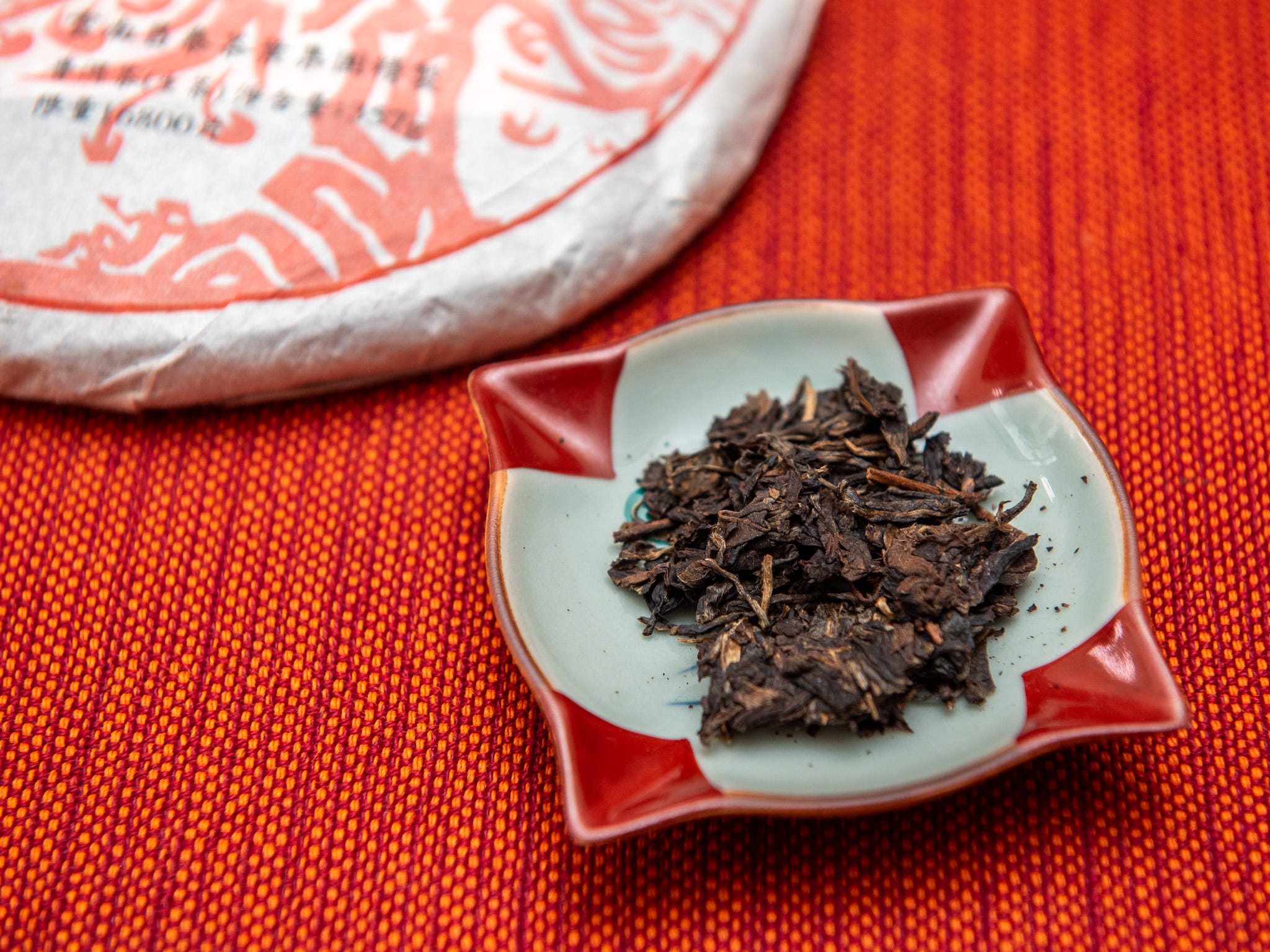
I still have a lot of this 8582, and I still like it on the whole. I don’t want my negative experience to detract from enjoying future sessions. I don’t want to gloss over its shortcomings either. Noticing these things is how we learn about tea and our own preferences.
On Sunday I brewed the 8582 again to pay attention to what I like about it. There was a nutty flavor akin to dark roast coffee that held my interest. It was smooth and easy to drink with no sharpness to catch on my tongue. I liked the way its stony sweetness hung around the back of my mouth, even in late steeps. A residual cooling effect added to this appeal. The texture was still thinner than other aged puers I own with a similar profile, but I reminded myself those teas cost more or were made with more rarefied material. I finished the tea feeling good about it, no doubt because I found reasons to do so. Next time I’ll use a heavier dose of leaf to get a thicker brew.

It’s easy to get burdened by your expectations. This tea I bought should behave a certain way because of how it was made and how much I spent. When the tea doesn’t match your perceptions of how it should taste, you’re disappointed. If you treat drinking tea as a way to ground yourself in the moment, it’s good to remember that expectations are illusory. The only real thing is the tea currently in your pot. Do you sour your sip with thoughts of what it could have been or focus on what it offers right now?
This awareness should go both ways. It’s just as easy to like a new tea because people tell you it’s good or expensive. Do you actually enjoy what you’re drinking or are you following your expectations? I like to look for detrimental qualities in teas that are alleged to be really good. That Wistaria Hongyin, for instance, can taste harsh if brewed with too heavy a dose or for too long. A few weeks ago, my friend Jason Cohen shared a high end puer with me that felt great in my body—my legs turned to jelly—but it lacked distinctive flavors. He said this is an attribute some puer buyers in China go crazy for called wu wei, or “flavorless flavor,” akin to sweet water that remains steady from steep to steep, leading directly to its aftertaste. I happened to like the tea a lot, including its ghostly sweetness, though if I went into it expecting dynamism in my mouth, I would have been disappointed. The positive qualities of a tea may or may not be worth it for you, and its negatives may or may not be dealbreakers depending on what experience you’re after. This is important to keep in mind as you develop your palate and navigate a tea market laden with abstract romance copy.
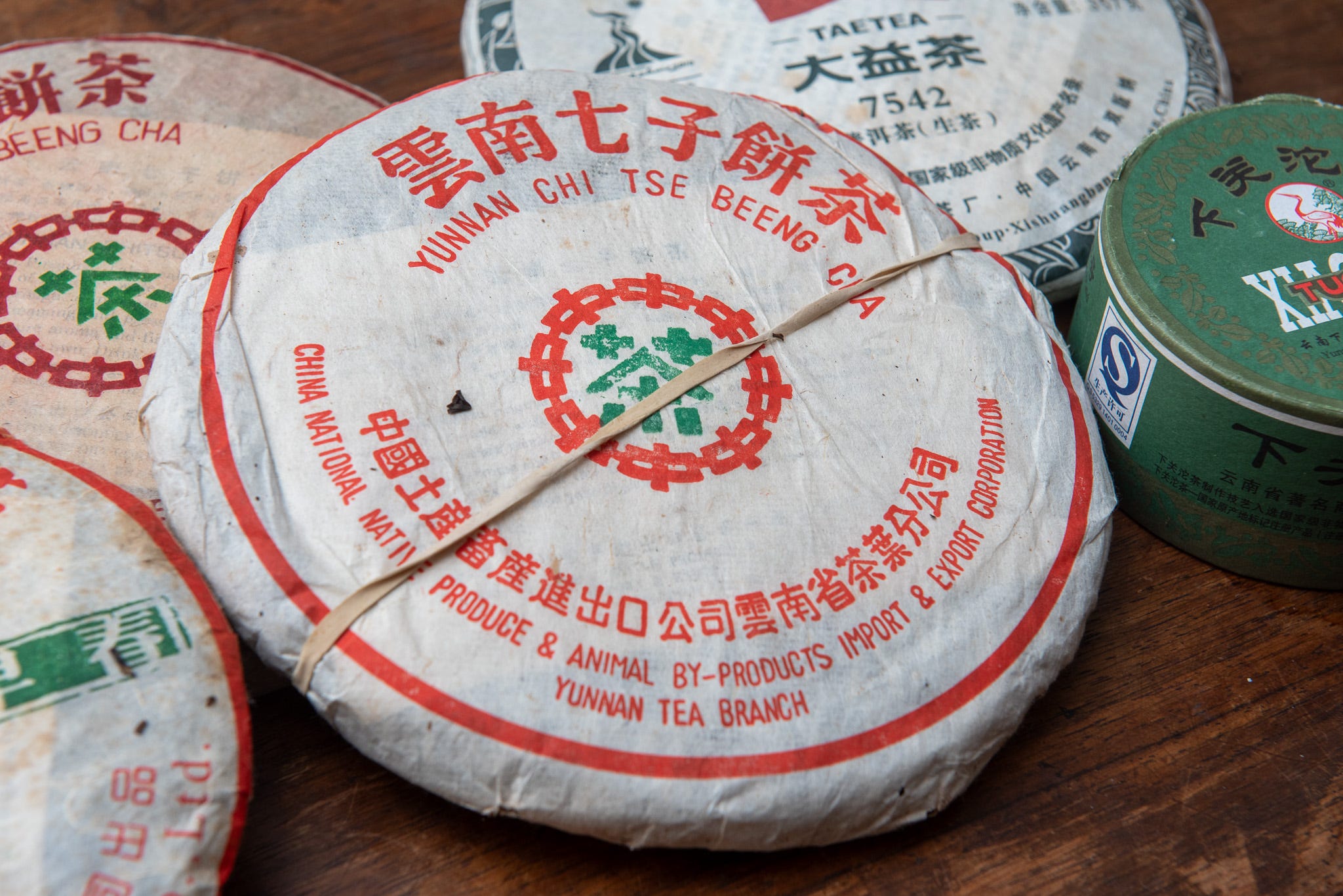
Whether a tea is good or bad matters less than what we do with it. CTC Assam tastes nasty when brewed with gong fu methods. The chewed-up leaves steep quick and dark with little nuance and powerful astringency. But those qualities make them perfect for simmering in milk to brew a strong pot of chai. If you try the same technique with “superior” whole-leaf orthodox tea, the chai will taste underpowered. It needs that malty CTC strength to stand up to the dairy.
I brewed some more of the Yee On 8582 puer while writing this post, with just a bit of leaf in a larger pot that I could casually sip as I typed. And it was delicious: fruity, soothing, smooth, and refreshing. It even felt thicker in the mouth than a lot of my typical “office teas.” Despite the genuine benefits of gong fu tea brewing, the method doesn’t always make the best cup for every tea. If the words “gong fu cha” mean making tea with skill, then part of that skill is understanding when you need to change your approach to the circumstances in front of you.
I recall sipping one evening with the owner of now-defunct Norbu Tea, a favorite vendor of mine back in the day. He preferred brewing Darjeeling using a pseudo-gong-fu method that broke my brain. Not my preferred method, but whoa, I'd never been more tea-buzzed in my life. Tea is really "to each their own," and I think it's one of the qualities that keeps it so democratic.