

My top teas of 2025
Leafhopper’s brews in review.

Introducing the leaf lover subscription
Before we get into the year’s top teas, some news: Leafhopper now has a leaf lover subscription tier with a special perk. For $120 a year, leaf lovers can shape the future of Leafhopper’s coverage. Leaf lovers will receive a poll each month where they can vote on story topics they’d like me to cover. The winning topic will be featured the following month with a special thanks to leaf lover members. This is of course in addition to the regular paid subscription perks: no paywall, full archive access, and the ability to leave comments.
It’s important to me to keep independent tea storytelling as accessible as possible. If you don’t already know, Leafhopper offers no-questions-asked paid subscriptions for people who love tea but can’t afford the cost of a membership; just email me at max.falkowitz@gmail.com. This new subscription tier is a big step to continuing that mission. 90% of readers receive the free version of this weekly newsletter and I’d like to reach more. A leaf lover membership makes a meaningful impact to support my journalism at a time when the free press is notably less free than it used to be. If you have the income and want to help spread the good word about tea, this is a powerful way to do so. Current paid subscribers who upgrade to the leaf lover tier will get their subscriptions extended by the duration of their remaining original memberships.
Questions? Comments? Email me with your thoughts. Thanks, as always, for reading.
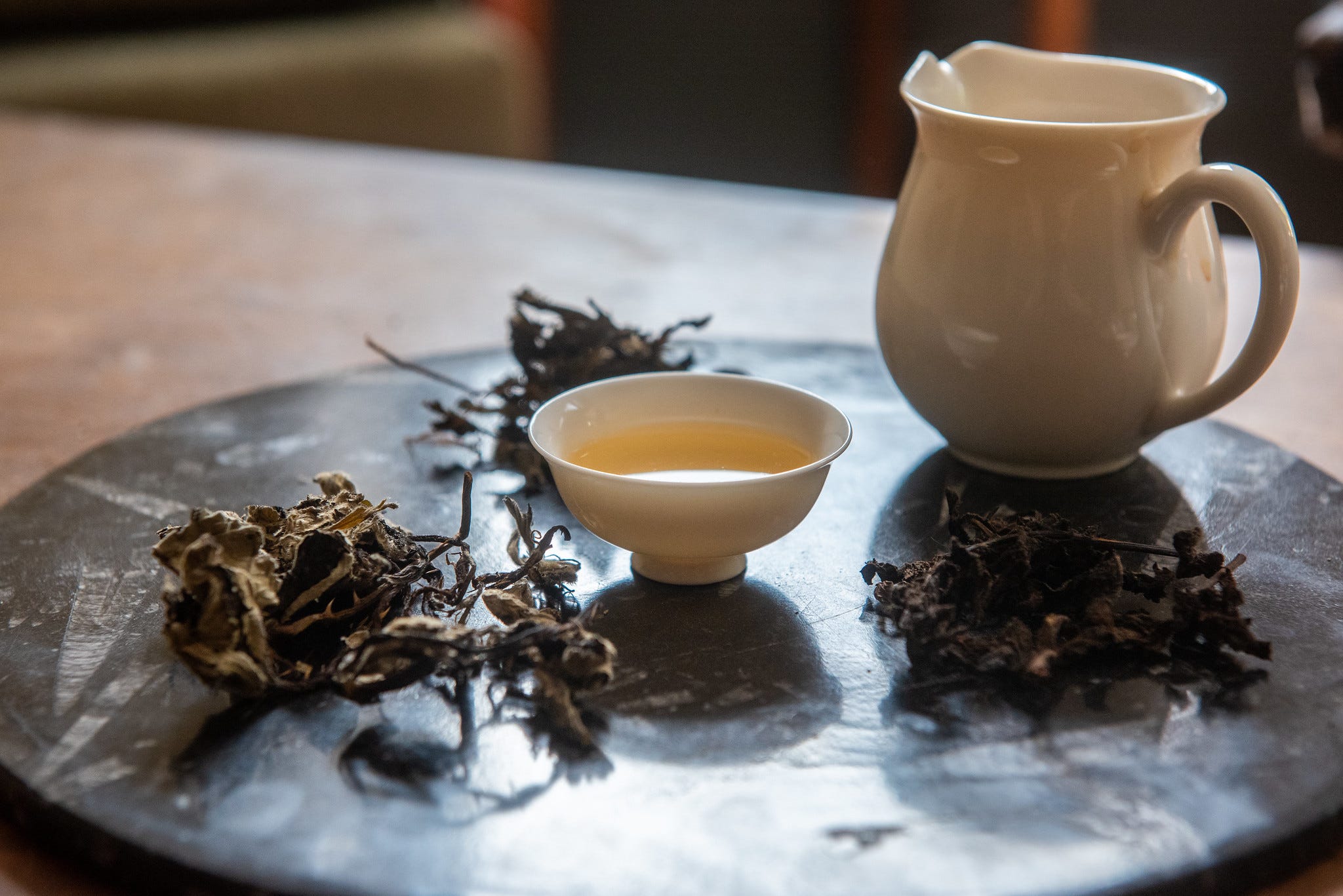
It’s been a good year for learning about tea. 2025 offered me chances to dive deep into tea categories I faintly understood. I got to travel to origin for the first time since 2019. I made new tea friends. And I was reminded of how little I know about tea and everything else, and how good it feels to pursue scraps of new knowledge.
Tea is a lifelong reminder that I’ll never really get the big picture. There’s too much to taste, too much to experience—too much that can’t be experienced by mere mortals with subjective points of view. The best we can hope for is those scraps of insight that amount to a patchwork quilt of understanding. Then we pass on the best bits to others and hope they can take the story further.
Here are my most memorable scraps of 2025. Let’s see what we can make of them together.
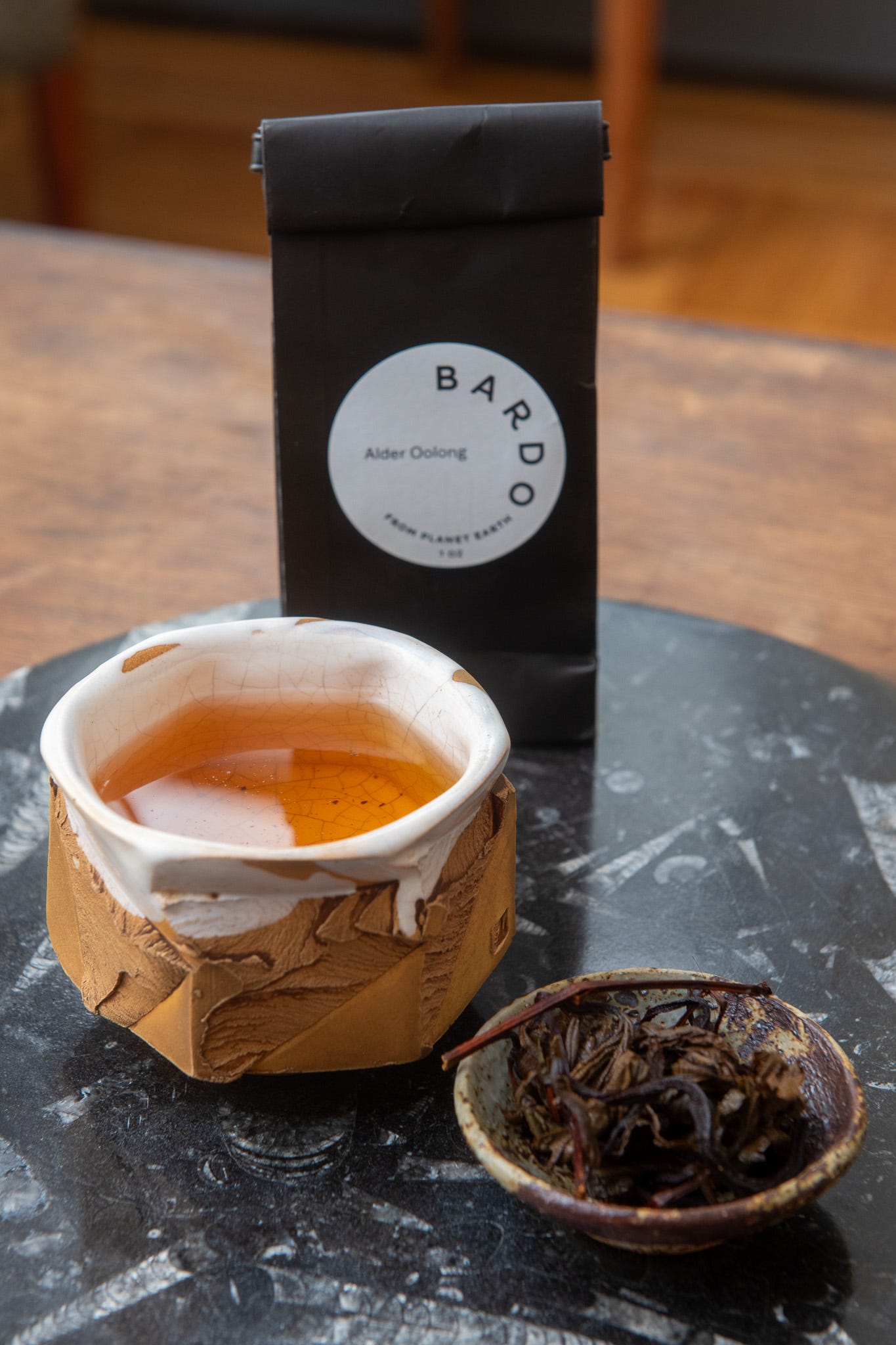
Tea-processed alder leaf
I remain transfixed by Balazs Henger’s herbal teas months after interviewing him. In the woods of Chehalis, Washington, Henger picks native and invasive plant leaves and subjects them to tea processing techniques like rolling and oxidation. The result is complex, dynamic tea with layered and surprising flavors. Where most herbal teas play a single chord no matter how you steep them, Henger’s brews have dimension and harmony. I especially love his alder teas processed into green, oolong, and black styles. They feature juicy cranberry aromas, woody and almond flavors, rich textures, and lingering aftertastes. His work has inspired me to do a larger story for a magazine about producers who apply tea techniques to herbal teas. Keep an eye out for that in the next year or two, and in the meantime try Henger’s alder oolong and blackberry leaf tea from Bardo.

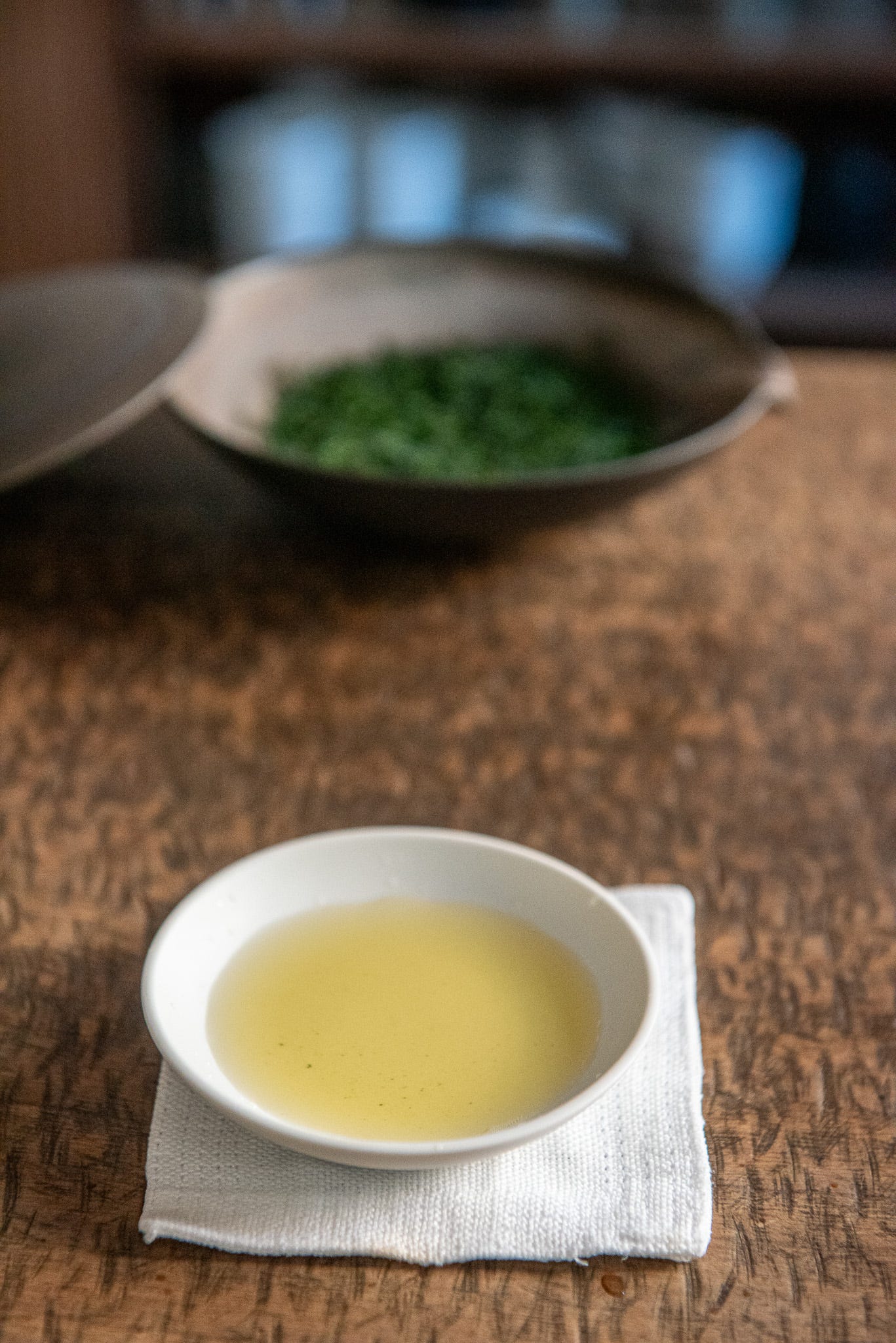
A drop of the ocean
I visited Japan last month to report on the state of Japanese tea and investigate its future. I arrived a day before the official junket began to hop around downtown Fukuoka and visit tea shops with notably different philosophies. I’ll have a full report about this in the new year, but for now I want to share what I wrote in my notes as “ocean drop gyokuro.”
Yorozu is a meticulously designed tasting bar with a horseshoe-shaped counter similar to Sakurai in Tokyo. The vibe is somewhat fussier than I prefer, but the staff take customers on balletic drinking journeys of sweets paired with specific steepings of individual teas. I asked for gyokuro, the shade-grown tea for which Fukuoka producers are famous, and was first presented with a single drop of broth on a little sauce dish. It tasted like the whole ocean at once: bright, marine, sweet, verdant, torrential, and overwhelming. After I finished my drop, the staff poured the rest of the pot into the dish so I could slowly take in the remaining sips. They were just as potent, but the restrained volume of that initial slurp sent me to the moon. I must drink more gyokuro in 2026.
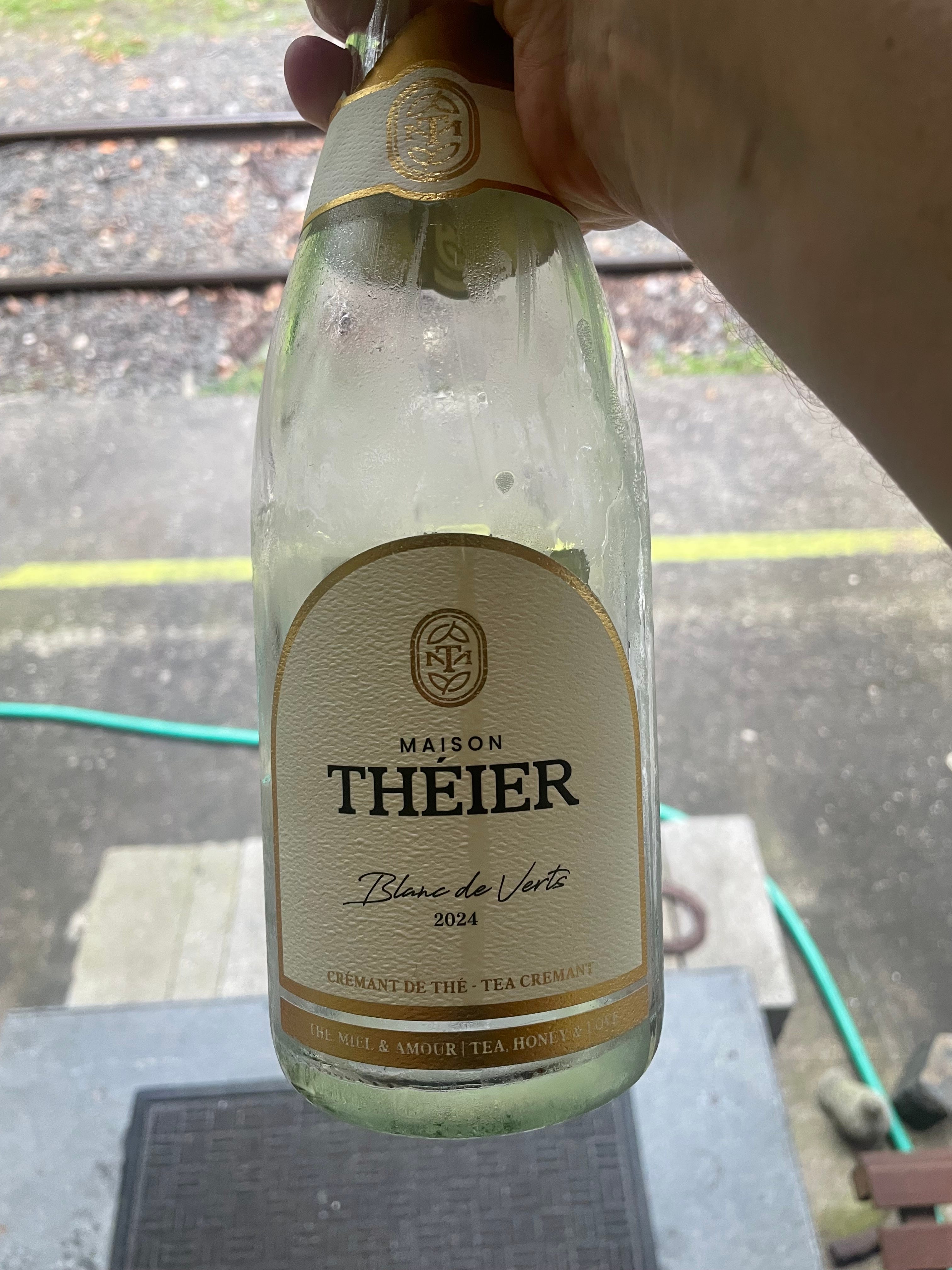
A superior sparkling tea
One trend I’ve followed with interest is specialty teas packaged like wine. Some are still, some are carbonated; all are marketed towards the growing sober and sober-curious population. At an informal tea gathering this year, Kevin Gascoyne of Montreal’s Camellia Sinensis shared this bottle from Maison Théier, which may be the best that I’ve tried. Fermented with honey, it explodes on the palate with juicy peach and pear flavors. Soft bubbles keep it light, elegant, and delicious to drink with an aged goat cheese from upstate New York that I love. Track it down if you can.
Sumptuous song zhong
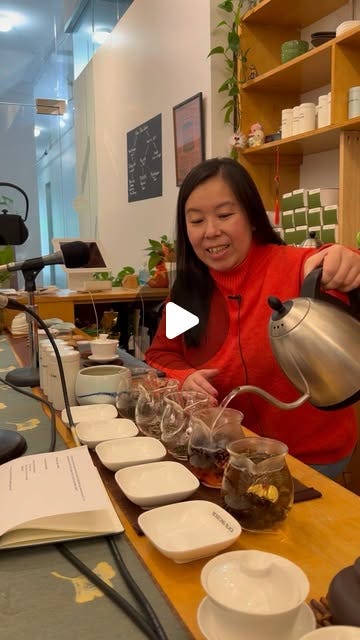
My friends Theresa Wong and Hyun Lee of T Shop celebrated the 11th anniversary of their cozy New York shop this year. Theresa was one of my first tea rabbis and I still look to her for guidance on tasting fine teas. Pay attention to T Shop’s current dancong oolong selection, including their wildly delicious old bush song zhong, but with a warning: these teas reveal just how good the good stuff can taste in a way that forever alters your baseline for what tea should be. If you’re looking to splurge on something nice and perception-shifting, start here.
Cups from Korea
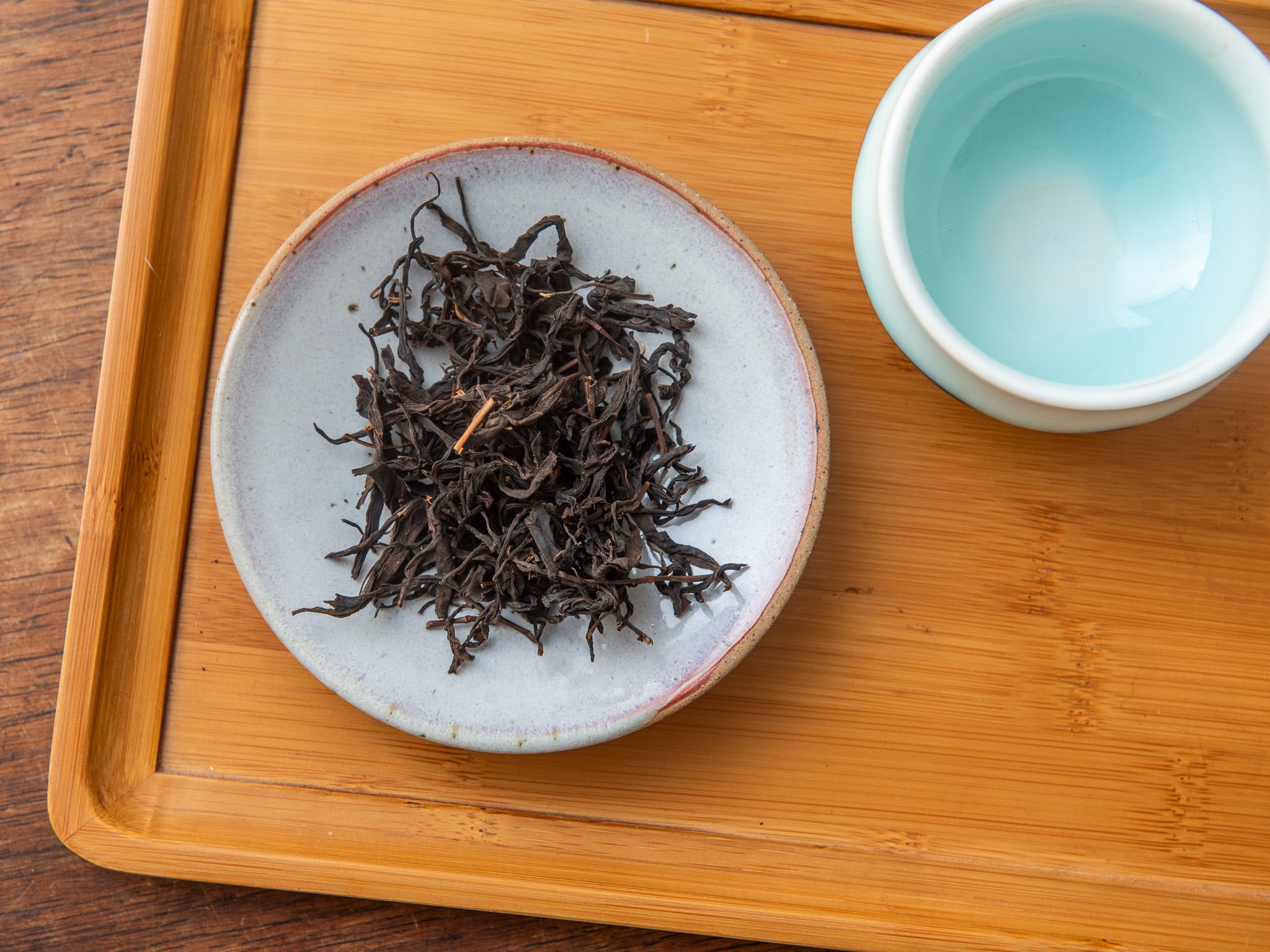
Eric Glass of Fragrant Cup gave me a crash course on Korean tea this year, and I regret to say my favorite sample that he sent is for a tea you can’t currently buy. It was a hwangcha—lightly oxidized yellow tea—with subtle spicy and earthy notes. Glass looks for teas with naturalistic characters that reflect their traditional farming techniques. They capture a fundamental “tea-ness” that only comes from good agriculture and careful processing. I love the whole Fragrant Cup lineup and encourage you to check them out, especially if you’re looking to cultivate moments of calm with your daily tea.

Uplifting lapsang souchong
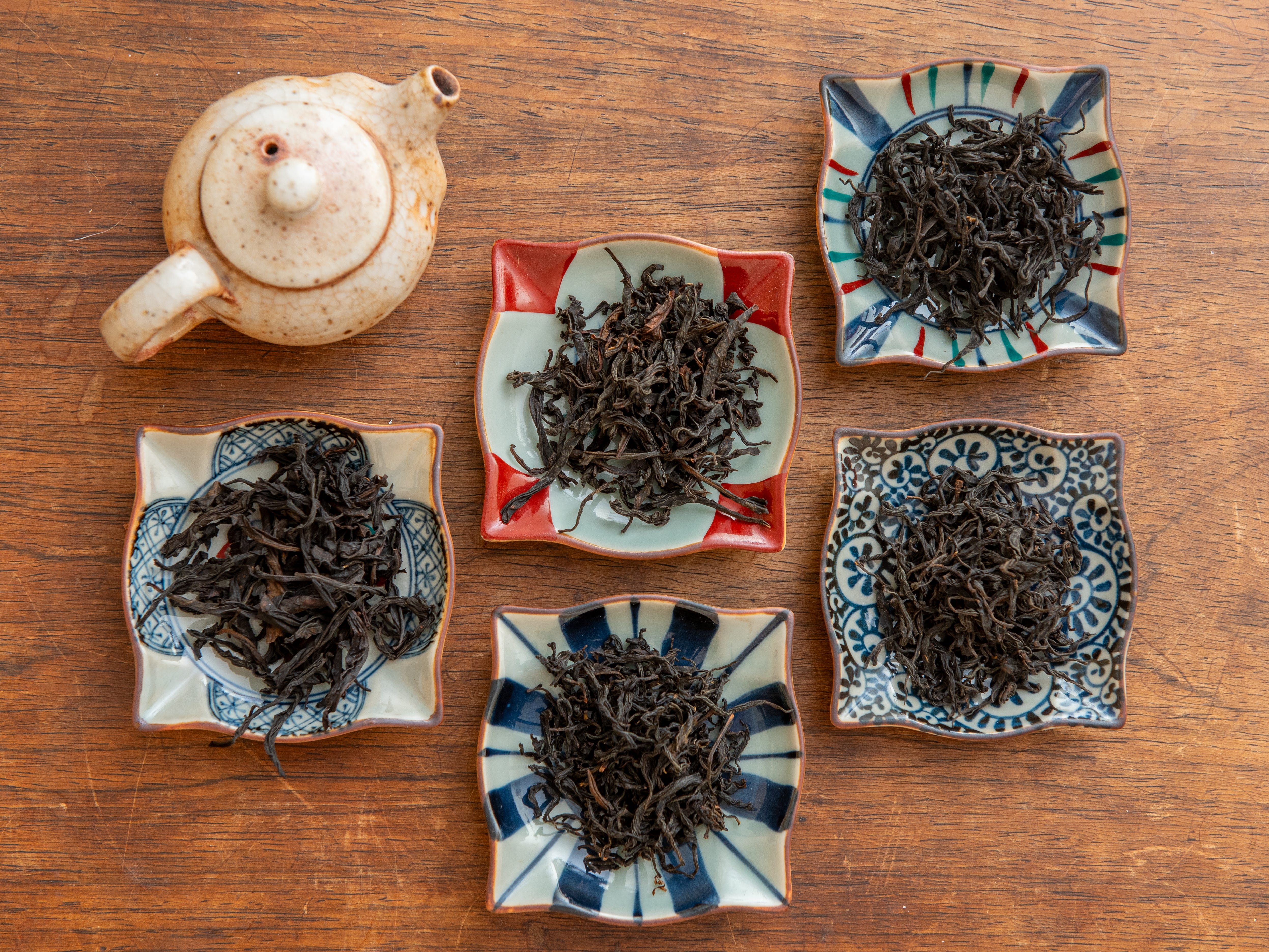
It was a big bummer the day that I finished my last sample of One River Tea’s lapsang souchongs. This specialty of a single Wuyi village—alleged to be the first black tea produced in China—is at risk of going extinct as disease decimates the local pine trees used for smoking and producers opt for newer unsmoked styles favored by the Chinese market. Legit Tongmu lapsang souchong is grown at high elevation in mineral-rich soil, then processed in a way that suffuses the leaf with smoke without overpowering its distinct character. The really good stuff comes from older trees that are treated with special care. Drink it while it’s still around.

Hand-milled matcha
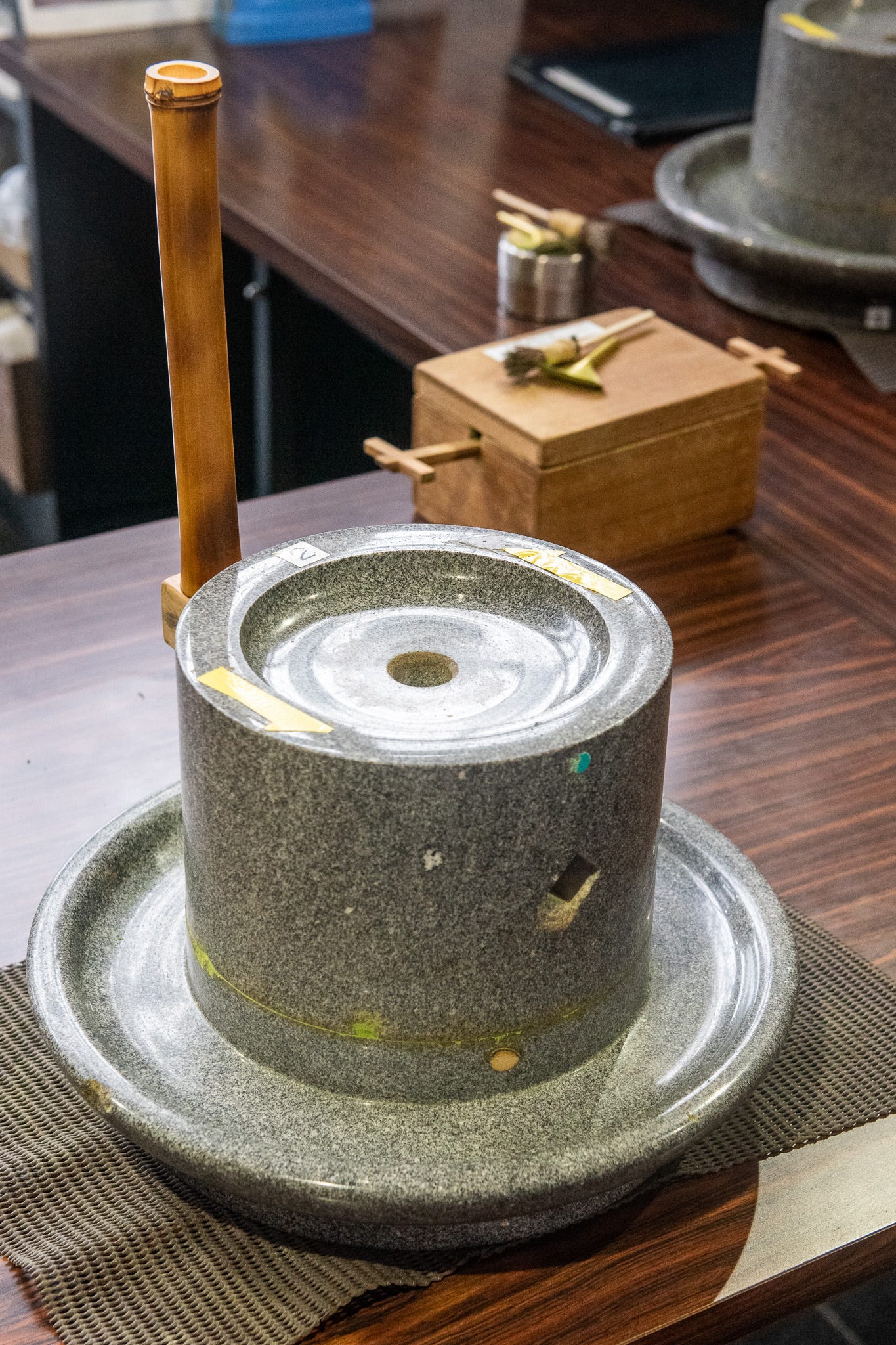
Matcha is milled in heavy stone wheels that pulverize the leaves without heating them through friction. Mechanized mills can grind about 40 grams of matcha an hour. Hand-spun mills, which people used to make the tea for most of its centuries-long history, are much slower. I got to learn this firsthand at the Yame tea museum in Fukuoka. Visitors are provided two grams of tencha, the deveined and dried leaves that are ground into matcha, to mill their own tea powder by hand. The process is an onerous workout. Each stone weighs about 40 pounds and has to be spun at a consistent speed to ensure the right grind size. Then you use a tiny brush to collect all the matcha into a tray so you can screen out any large chunks. A museum supervisor helpfully pointed out all the ways I screwed up these steps. “Keep grinding!” “No, there’s still more tea in this crack.”
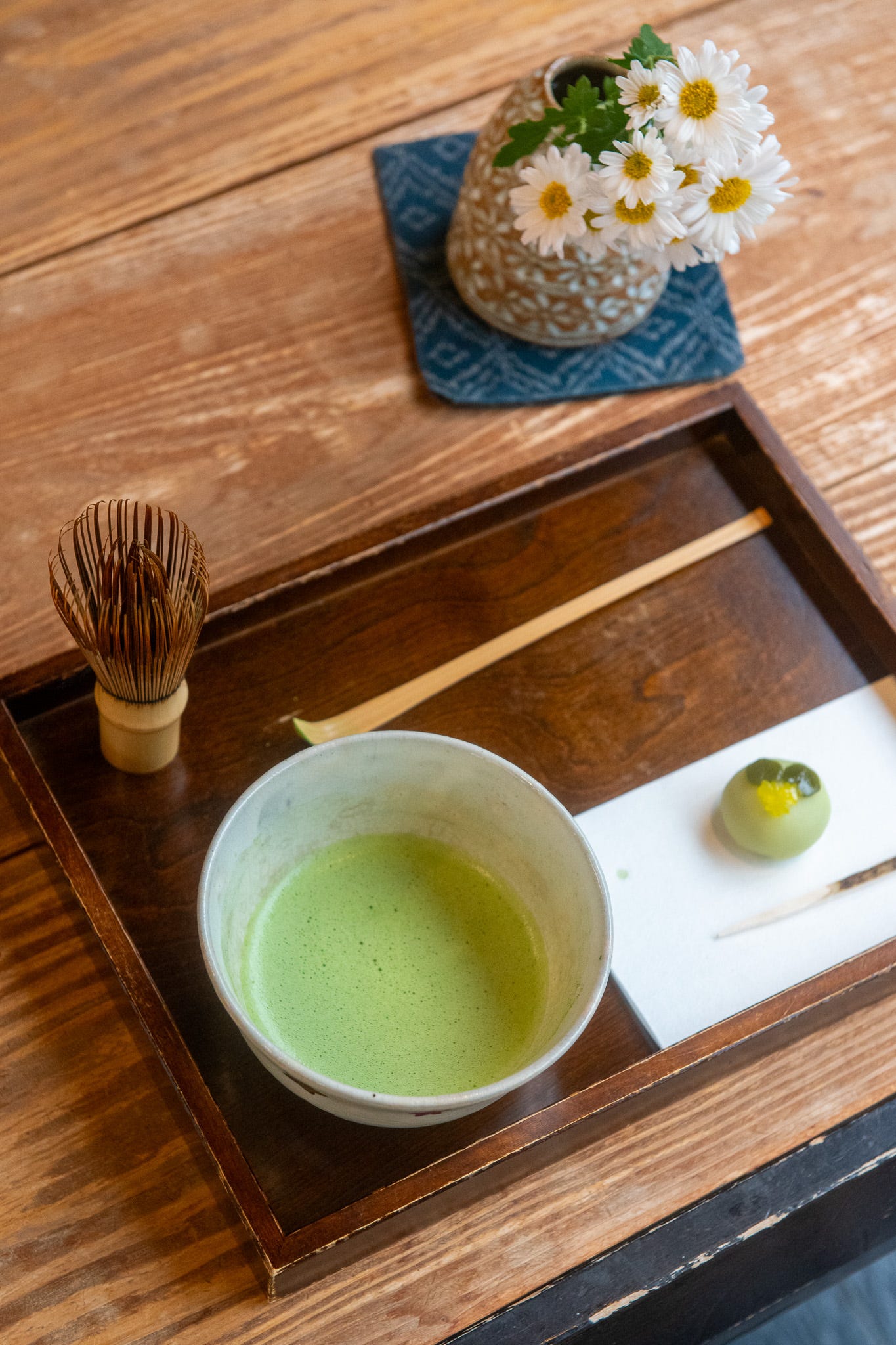
Once you mill and sift this hard earned powder, you’re given a bowl and whisk to make your own frothy matcha. This too takes effort to properly suspend the powder’s particles into a creamy brew. My first attempt wasn’t very good. The bubbles were too large and the tea wasn’t well incorporated, so the matcha tasted thin and bitter. I got a better foam on my second attempt and was rewarded with a richer, smoother texture. The experience was, in a word, humiliating. It was also instructive. Matcha is an accumulation of incredible effort in the field, factory, mill, and tea table. It’s valuable because it’s hard to do right. Any deviation from that path yields something unpleasant to drink. If you want to appreciate the labor and skill that goes into making a bowl of matcha, grind some for yourself. It’s humbling work.
Wild forest ice cream
This summer, Anna Ye of Anna Ye Tea and I collaborated on an ice cream using her forest-grown black tea from Vietnam. The tea has this wonderful cherry and yam flavor with a woodsy backbone and it translated surprisingly well into a frozen custard base. We added sandy Chinese almond cookies to the finished ice cream to capture a nostalgic taste of Anna’s youth. These are the yellow ones made with lard for a subtle savory oomph and a crumbly texture. The crumbs soaked up the ice cream, becoming soft and tea-tinged, and even as an experienced tea ice cream maker, I was impressed with the end result. Turn the crumbled bits of tea at the bottom of your bag into ice cream, people! It’s what milk tea wishes it could become.
Leafhopper is taking a break next week to endure the remainder of the holiday season. See you back on January 5th with new tea stories!
Check out the top teas of 2024 here.
Max, Wonderful selection of teas and I really appreciate your approach to tea. I remember you would reduce a teacup before getting a new addition; and as an expert, you're also able to just appreciate tea at its simplest manner. Have a wonderful holiday season & Happy New Year!
I appreciate that much of this list is accessible and very diverse